Get in touch with UD Packaging Company

ISO Certified
PET Strapping
PET Strapping for Industrial Loads
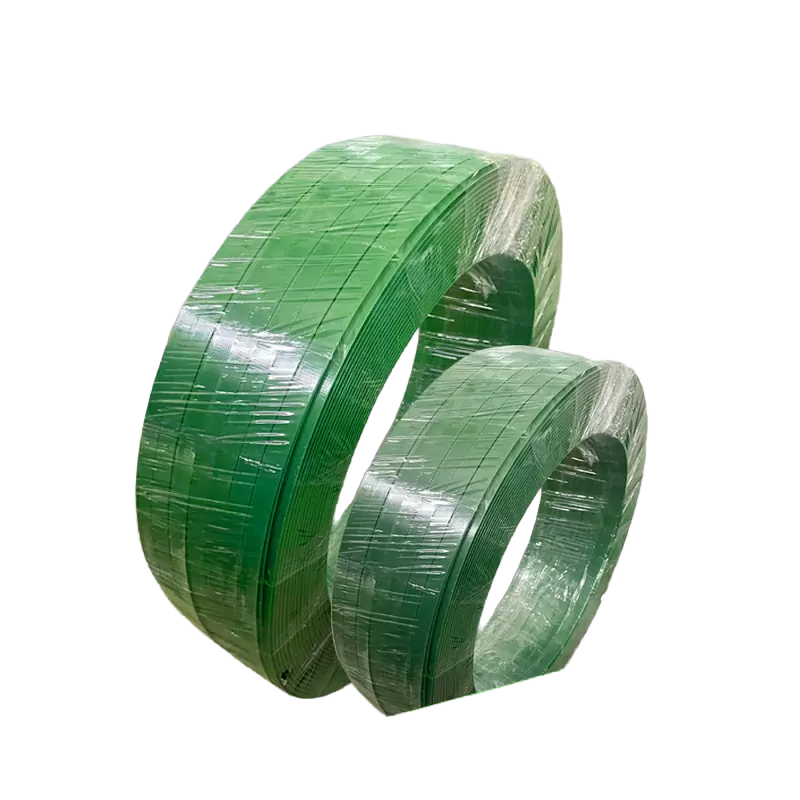
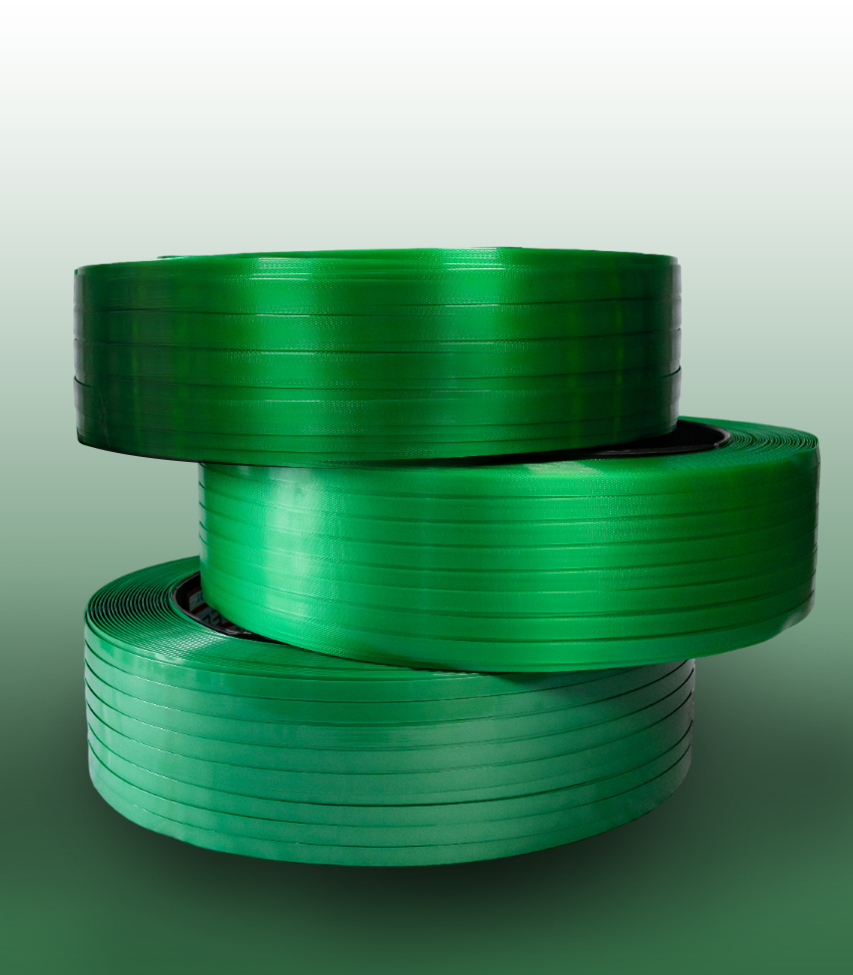
UD Packaging manufactures PET strapping in Jiangyin, China for palletizing, bundling and export packing. We match the polyester strap to the load, joint, tool or strapping machine, then put the agreed construction, test method and packing details into one written quotation.
- Granulation to finished PET strap
- 1000 kg RFQ planning quantity
- Strap, seals and equipment in one enquiry
- FOB, CIF, FCA or CIP quotation routes
Send a coil-label photo, load information or your current specification so we can pre-screen the strap, joint and machine path before a sample trial.
[ANALYSIS: OK]
TENSION: MAX // WIDTH: 16MM
UD Packaging PET Strapping at a Glance
Manufacturing scope
PET granulation through finished strapping
Order planning
Use 1000 kg for the initial RFQ; confirm the final MOQ by quote
Supply scope
PET banding, seals, stretch film and strapping equipment
Available Incoterms
FOB, CIF, FCA or CIP; final terms are confirmed in the quotation
PET Strapping Manufacturing and System Supply
Our automated PET strapping production lines cover the chain from PET granulation to finished goods. That integrated scope lets one enquiry connect material choice, strap production, roll format, joining consumables and application equipment.
01
PET granulation and extrusion
Our production route moves prepared PET material into extruded polyester banding. An RFQ identifies the intended material claim, processing requirements and finished-strap checks instead of treating resin identity as proof of package performance.
02
Orientation, surface and winding
Strap performance also depends on orientation, dimensional consistency, surface condition, straightness and winding. These fields matter when a roll must track through a tensioner, sealer or automatic strapping head.
03
Joining consumables
UD Packaging supplies strapping seals and buckles for compatible applications. Joint method and required joint result belong on the enquiry because the connection can be the limiting part of the strap-and-joint system.
04
Application equipment
Manual, semi-automatic and fully automatic strapping machines are available from UD Packaging. Tell us the tool or machine model, joint method and current strap so we can route the request toward a compatible sample and setup review.
Load families we support
Steel, aluminum ingots and fabricated metal loads
Solar photovoltaic and new-energy products
Bricks, blocks and other building materials
Lumber, panels and wood products
Paper, corrugated and pulp-related bundles
Chemical fiber and cotton textile bales
Agricultural and food-sector packaging
Electronics and tobacco-sector shipments
PET Strapping Product Range
This parent PET strapping page handles the broad manufacturer and supplier enquiry. Use the five cards below when the buying job is more specific: a complete kit, a recycled-material claim, a polyester strapping roll, a plastic banding strap format or a repeat packing-strap order.
System Bundle
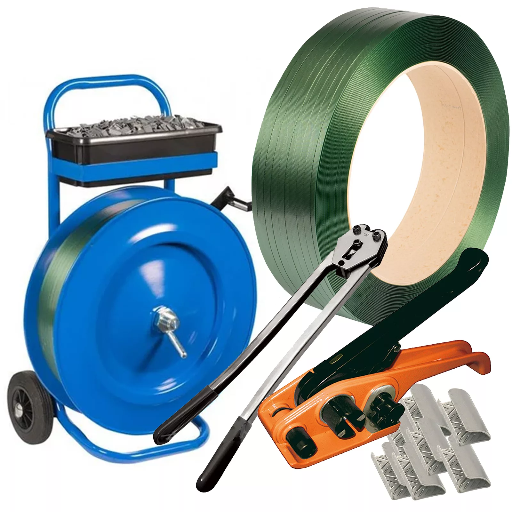
PET Strapping Kit
Start here when the strap, tensioner, sealer, seals or buckles must work as one set. A kit enquiry should identify the joint method, operator method, load and replacement-consumable plan.
View The PET Strapping Kit
Material Evidence
Recycled PET Strapping
Use this path when procurement needs a stated recycled-content percentage and evidence for that claim. Ask for the claim basis, chain-of-custody or transaction evidence when certification is required, plus batch material and finished-strap records.
Review Recycled PET Strapping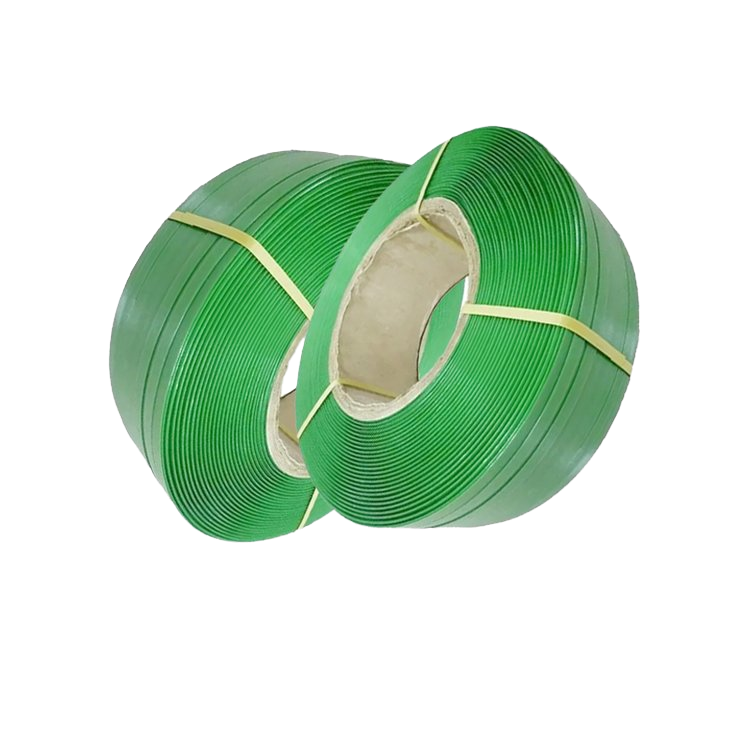
Coil Specification
PET Strapping Roll
Use the roll page for length, net and gross weight, core dimensions, winding direction, roll outside diameter, pallet pattern and machine-feed requirements. A coil can meet strap strength and still be wrong for the dispenser or head.
Specify A PET Strapping Roll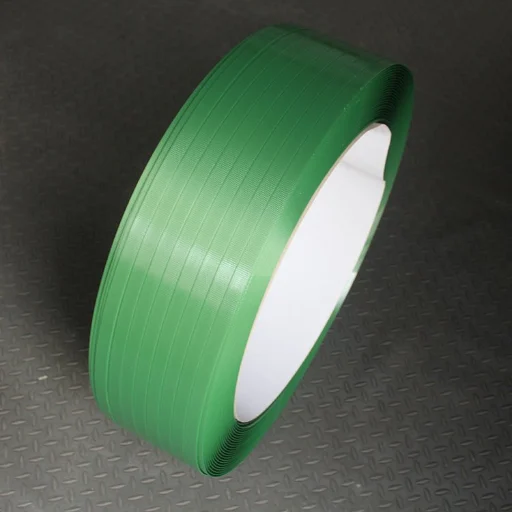
Band And Joint Fit
PET Strapping Band
Use the band page for surface, color, printing, edge condition and joint/tool compatibility. This route is suited to a product-form enquiry rather than a general manufacturer comparison.
Select A PET Strapping Band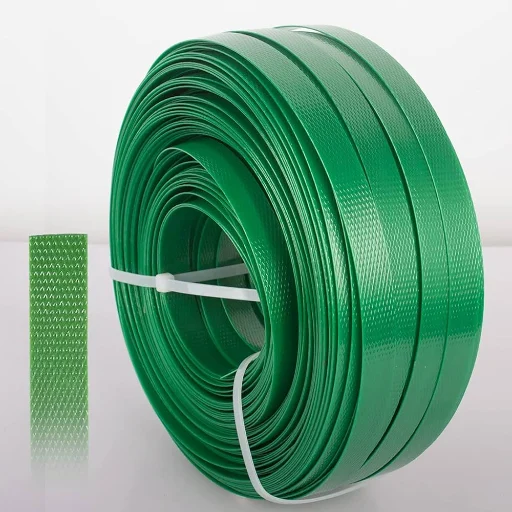
Packing Replenishment
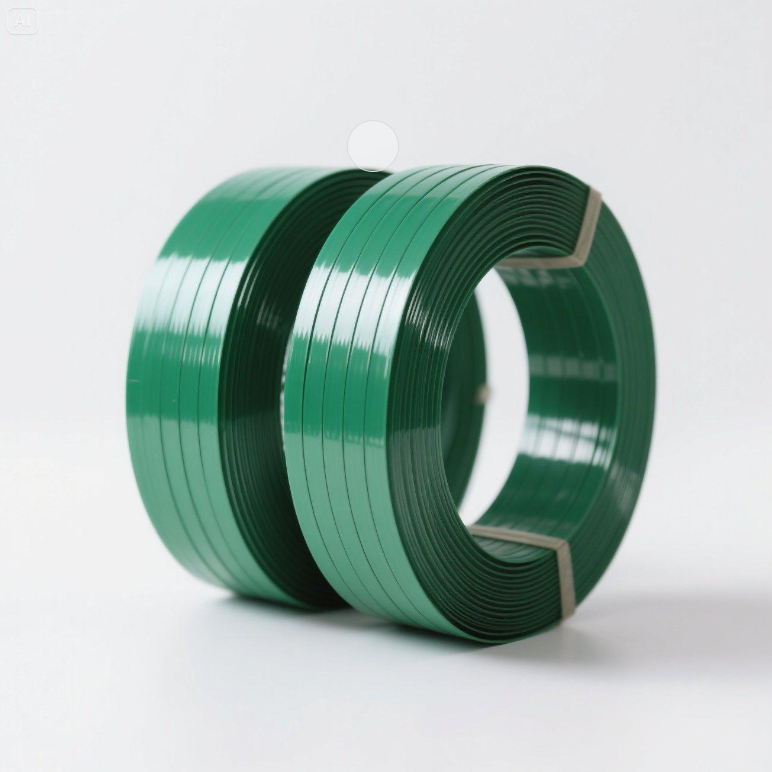
PET Packing Strap
Use the packing-strap page for repeat warehouse or export-packing requirements built around an existing coil label and load. Preserve the accepted dimensions, break requirement, roll format, joint method and destination terms in the enquiry.
Source PET Packing StrapSurface, Color and Winding Requirements
Smooth and embossed polyester strapping can behave differently in feeding and joining equipment. Select the surface through validation with the identified tensioner or head, not by visual comparison alone.
| Requirement | Decision to record | Why it matters |
|---|---|---|
| Surface profile | Smooth, embossed or an approved reference sample | Changes contact, feed behavior and the joint setup. |
| Surface treatment | State wax or other handling requirement when applicable | Affects friction, tooling and repeatability. |
| Color | State the required color and acceptable visual range | Supports product identification and receiving checks. |
| Printing | Provide text, artwork, repeat interval and contrast requirement | Converts branding into an inspectable order field. |
| Winding | State direction, traverse pattern and roll orientation | Prevents dispenser and machine-feed mismatch. |
| Edges and straightness | Define visual acceptance and machine-trial criteria | Supports tracking and reduces splitting or snagging risk. |
PET Strapping Specifications and Selection Inputs
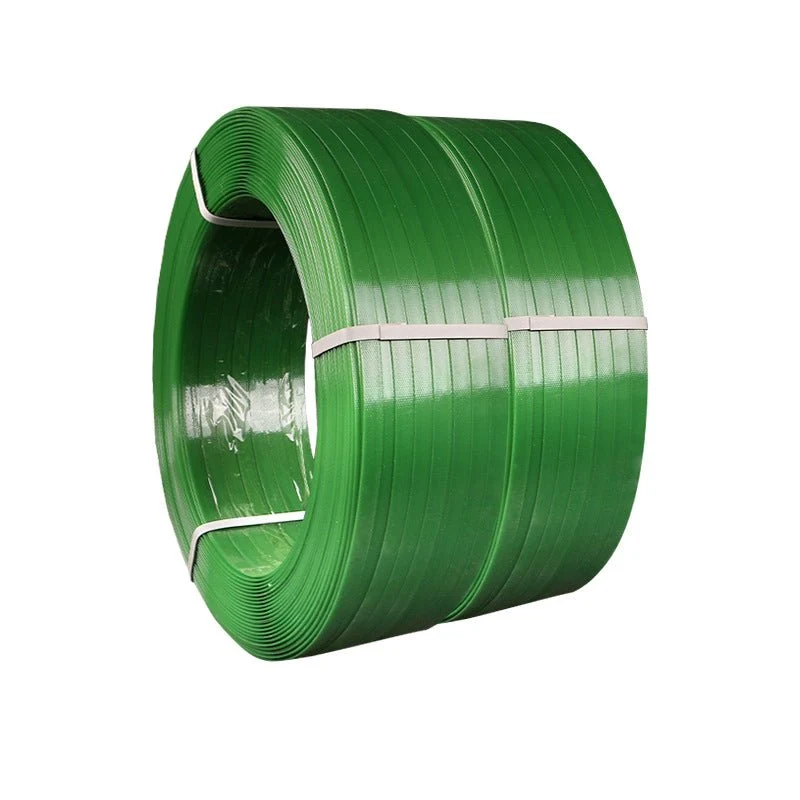
This is the main RFQ data table, not a claim about unverified UD stock sizes. Complete the fields you already control and include a photo of the current coil; blank items become questions for the specification review.
| No. | Specification Field | What To Provide | Acceptance Evidence |
|---|---|---|---|
| 01 | Width | Nominal value, unit and permitted tolerance | Dimensional result against the written order |
| 02 | Thickness | Nominal value, unit and permitted tolerance | Measurement method and batch result |
| 03 | Breaking and tensile requirements | Required property, minimum value, unit and test method | Product-specific test record; never infer from width alone |
| 04 | Elongation and recovery | Required test result and the load behavior it supports | Finished-strap result under the specified method |
| 05 | Joint performance | Joint type, tool or head, and required joint result | Joint trial using the actual joining method |
| 06 | Surface, camber and split resistance | Surface reference plus feed and edge acceptance | Visual, dimensional and machine-trial record |
| 07 | Roll and core | Length, weights, core dimensions, outside diameter and winding | Coil label and receiving inspection |
| 08 | Machine or hand tool | Brand, model, head, settings and joint method | Controlled sample run on the actual equipment |
| 09 | Package and strap path | Load weight, dimensions, compressibility, edges and strap count | Package test using the agreed pattern and protection |
| 10 | Distribution cycle | Handling, storage, temperature, humidity and transport route | Validation plan for the complete packaged product |
Engineering checkpoint: a strong strap on the wrong tool is still the wrong system. Approve the strap, joint and packaged load together.
Industrial Packaging Applications
UD Packaging supplies PET strapping for varied medium- and heavy-duty load families. The application cards identify conditions to confirm; they do not guarantee an unspecified strap on an unspecified package.
Metals and ingots
High mass and concentrated edges make strap path, corner protection, joint method and handling rules decisive. Hot or sharp-edged product needs a separate material and protection review.
Solar and building materials
Rigid stacks benefit from controlled pallet pattern, edge protection and repeatable strap placement. The trial should observe the package after forklift handling and transport vibration.
Wood and paper
Lumber, boards, paper and corrugated bundles can settle or carry contact-sensitive surfaces. Strap recovery, moisture exposure and protection from marking belong in the selection.
Fibers and textiles
Compressible bales change shape under tension. The system must control compression without cutting the product or losing the clamping force needed by the handling route.
Food and agriculture
Cleanliness, storage environment, package contact and destination requirements need to be stated. Product-contact or hygiene claims require application-specific documentation.
Electronics and tobacco
Unit stability must be balanced with carton protection and presentation. Edge protectors, pallet pattern and stretch film can share the securement work with the PET strap.
Where PET Strapping Is Not the Right Choice
Do not assume PET banding can replace PP or steel strapping from the material name alone. Start with package hazards and governing rules, then test the proposed strap, joint and equipment as one system.
Four signals to stop and re-check
Picking by material name alone is the wrong call. PET is not a substitute for purpose-rated lifting gear; over-tensioning costs you package protection, and the trade-off must be reviewed at the complete-load level.
| Situation | Why PET needs review | Better path |
|---|---|---|
| Hot product or high-temperature exposure | PET behavior changes with temperature, but a universal finished-strap limit cannot be inferred from polymer research. | Provide actual temperatures and dwell times; screen a rated strap system or steel where required. |
| Unprotected sharp or abrasive edges | Contact can cut or abrade the strap before nominal strength becomes relevant. | Add rated edge protection, change the strap path or evaluate steel/another securement method. |
| Lifting or lashing | Package banding is not automatically suitable as a lifting device or cargo tiedown. | Use purpose-rated lifting or cargo-securement equipment under the governing rule. |
| Carrier-specified load | The carrier or route may specify strap type, minimum strength, joints and strap count. | Put the carrier rule on the RFQ and qualify the exact product/system against it. |
| Light, compressible cartons | A stiffer high-tension route can crush corners or add cost without improving the package. | Compare PP strapping, lower system tension, edge protection or stretch film. |
| Unknown machine or joint | A sound strap can still fail to feed or produce a repeatable weld on incompatible equipment. | Identify the head and joint, then run a controlled coil trial before volume release. |
PET Strapping Efficiency & Selection Tools
PET Strap Specification Readiness Matcher
Check whether your enquiry contains the fields needed for a useful PET strapping recommendation. The score measures input completeness, not product performance.
PET STRAPPING
PET Strapping Purchasing Questions
Active Topic
Status: Auto-Sync
01
What is PET strapping used for?
PET strapping is polyester banding used to bundle products and unitize pallet loads for handling, storage and shipment. It is selected as part of a system that also includes the joint, tool or machine, strap path and package protection.
Is PET strap the same as polyester strapping?
Yes. PET strap, polyester strap, PET banding and polyester strapping are common names for polyethylene terephthalate strapping, while the exact construction and roll format still have to be specified.
How does PET strapping compare with PP strapping?
A polypropylene strap, often shortened to PP strap, is considered for lighter or more compressible packages, while heavy duty polyester strapping is evaluated for more demanding pallet and bundle work. Package, joint, equipment and transport cycle decide the fit, so use the material selector before requesting a trial.
Can PET banding replace steel strapping?
It can be evaluated where corrosion, handling, package recovery and system economics favor PET. Steel remains a better or required route for some hot, sharp-edged, extreme-duty, lifting, lashing or rule-specific applications.
Why does a PET strap fail to weld consistently?
Check width and thickness consistency, surface condition, dust or moisture, head wear, pressure, heating or friction time and cooling. Do not compensate for an unstable joint by raising tension without finding the joint cause.
What details are needed for a PET strapping quote?
Send width, thickness, mechanical requirements, elongation, surface, color, roll and core data, joint method, machine or tool, load, monthly quantity and destination. The RFQ checklist turns them into a copyable enquiry.
What quantity should I use for a PET strapping enquiry?
Use 1000 kg as the initial RFQ planning quantity. The written quotation confirms the final MOQ, roll count and pallet quantity for the agreed strap and coil format.
Which Incoterms can UD Packaging quote?
Available Incoterms: FOB, CIF, FCA or CIP; final terms are confirmed in the quotation. Send the destination and packing requirement so the alternatives can be compared on the same scope.
How should recycled PET strapping be specified?
State the required recycled-content percentage and whether it is pre-consumer or post-consumer, then request substantiation for the claim. Where certified content is required, add chain-of-custody and shipment-level evidence plus the batch material and finished-strap test records.
Which tensile-test standard should be written on the order?
Name the standard, edition, property, specimen conditions and acceptance limit required by your market or contract. UD states that it uses GB/T 1040.1-2018 and GB/T 1040.3-2006, while GB/T 1040.3-2026 becomes effective on December 1, 2026.
How should a replacement strap be approved?
Run the proposed coil on the actual tool or machine, measure the joint, inspect the package and expose the packaged product to the relevant handling and storage cycle. ASTM D4675 treats selection guidance as a starting point followed by user testing.