Get in touch with UD Packaging Company

Plastic Strapping for Industrial Packaging
Plastic strapping selection starts with the load, joint and application method—not a color, width or break-strength figure in isolation. UD Packaging organizes your current strap, package, tool, machine and distribution inputs into one review path, so missing evidence is visible before a quotation becomes a production assumption.
Build My Strap Specification
Request a Plastic Strapping QuoteSend the current coil label, strap dimensions, joint method, tool or machine model, a load description and any destination requirements you already have.
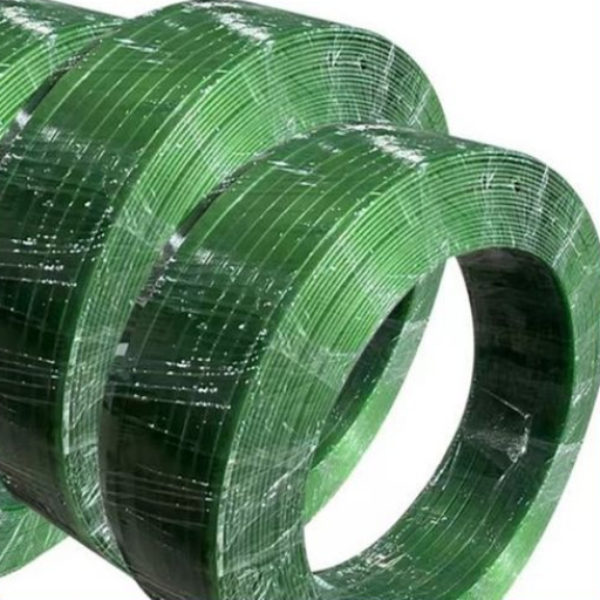
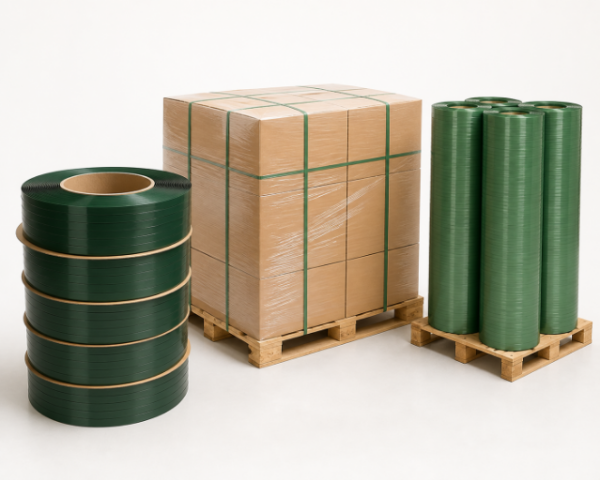
Automated PET production
We manufacture PET strapping on automated production lines.
PET process chain
Our PET strapping chain runs from PET granulation through finished strapping.
System sourcing
We provide one-stop industrial packaging procurement.
Custom production
Production runs are scheduled at up to 30 days for custom production, subject to quotation confirmation.
Trial path
Trial samples may be requested; availability and freight are confirmed with the quotation.
Technical enquiry support
A professional sales and technical team supports each enquiry.
Plastic Strapping Qualification Capabilities
A low quotation can turn into an expensive change order when the offers being compared rest on different material grades, cross-sections, coil formats or joining assumptions. The ASTM D4675 selection guide treats strapping selection as the starting point for user testing and carrier requirements, so we keep quotation-ready fields separate from the inputs that still need product data, a sample or application testing.

Material route review
We review whether PP, PET or another nonmetallic material belongs in the next comparison. This is a route into evidence gathering, not a claim that two materials cover every application.
Build a specific RFQ before comparing materials.
Joint and tool review
A seal, buckle, heat seal or friction-weld method changes the usable system strength. Your current tool or machine model belongs beside the strap specification, because nominal strap strength cannot prove joint performance.
Load and route review
Mass, geometry, edge condition, load settling, storage time, handling and destination requirements define what the trial must represent. A short warehouse demonstration does not reproduce every distribution hazard.
- Ready for quotation: the material, dimensions, coil, joint, equipment and order scope are identified.
- Evidence missing: a required value, product document or current-system detail is absent.
- Qualified review required: the use involves regulated transport, dangerous goods, personnel risk or an unverified system change.
That split keeps an assumed compatibility answer from being read as an approved configuration. It also leaves procurement with a cleaner list of questions to send to every supplier.
Buyers may search for plastic strapping for packaging, plastic pallet strapping, strapping tools, machine grade strapping or hand grade strapping. These labels guide an enquiry, but the written scope still needs the exact strap, joint and equipment.
Common PP and PET Material Routes
ASTM D3950-23 classifies nonmetallic strapping into five material-based types, so polypropylene strapping and polyester strapping are common commercial routes rather than an exhaustive taxonomy. Material choice is only the first filter; elongation, recovery, creep, transverse behavior, joint strength and the real distribution window still need review。
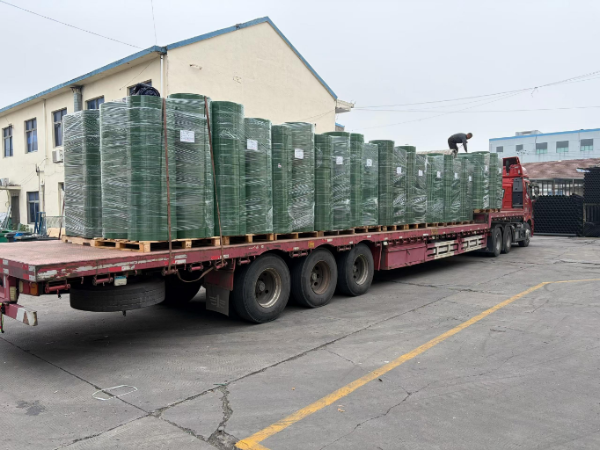
PP review route
PP can enter review for lighter or more stable package and carton work, cost-sensitive use, and hand or machine application. Selection still depends on the required retained tension, load settling, edges, joint and equipment feed conditions; more initial tension is not always safer。
- Confirm the exact grade and whether it is hand, semi-automatic or machine grade。
- Record width, thickness, coil and core rather than comparing only a product name。
- Test the final strap, joint and tool combination on representative loads。
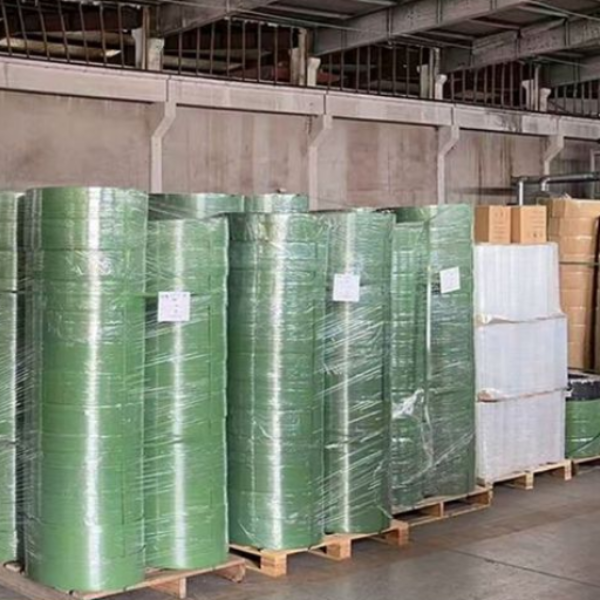
PET review route
PET can enter review where retained tension, recovery or a heavier unit load raises the qualification burden. We manufacture PET strapping on automated production lines, but selection still requires the offered product data and the intended joining and application method。
- Define required break force and elongation evidence。
- Define applied and retained tension over the relevant time window。
- Include edge protection, impact, temperature and handling conditions。
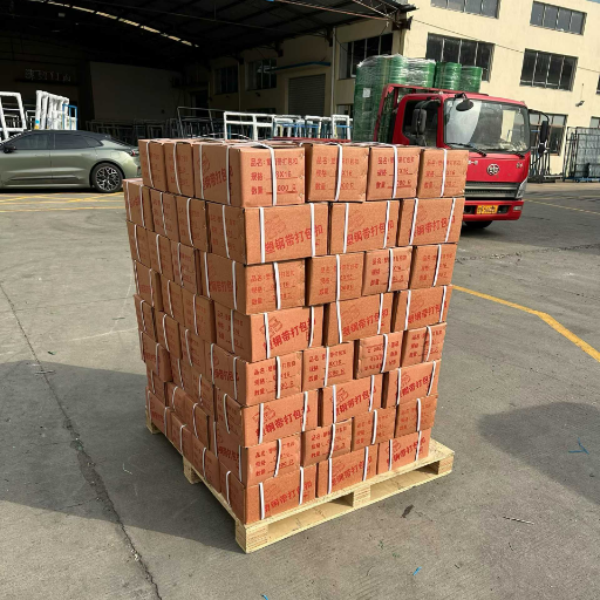
Other or unknown material
Do not force an unidentified strap into a PP or PET box. Material, construction and the applicable specification should be established before tool settings, joint performance or substitution is discussed。
- Send the coil label and current supplier data sheet。
- Identify any carrier, customer or approved-packaging requirement。
- Use a qualified review when the consequence of failure is high。
Production chain is not an environmental claim
Our PET strapping chain runs from PET granulation through finished strapping. That confirmed process scope does not, by itself, state post-consumer content, feedstock traceability, recyclability in a destination market, a closed-loop program or an environmental benefit。
Grade, Surface and Application Inputs
Grade and surface terms are equipment inputs, not blanket availability or compatibility labels. An EPA background document explains why machine application can call for closer dimensional control and limited camber, and the offered strap, joint and device combination still has to be confirmed in writing.
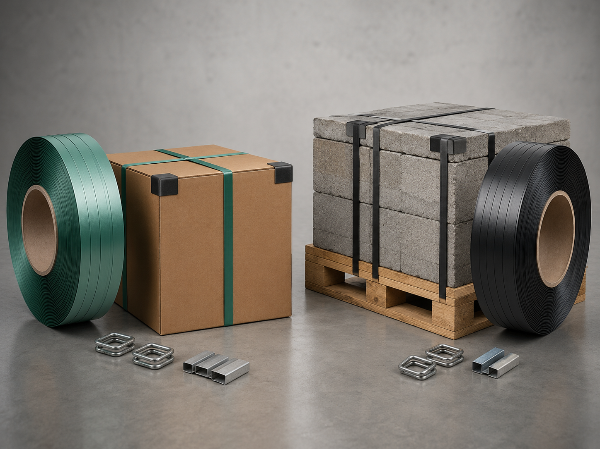
-
Input Hand gradeWhy it matters Defines a route for manual, battery or pneumatic application; it does not identify the joint by itself.What to send Tool type, tension method and closure
-
Input Semi-automatic gradeWhy it matters Feed stiffness, camber, coil and heat-seal behavior can affect an archless machine.What to send Machine make/model and current coil label
-
Input Machine gradeWhy it matters Automated feed paths place tighter demands on dimensional consistency and camber.What to send Machine make/model, arch/feed path and settings
-
Input Smooth or embossedWhy it matters Surface construction can affect feed, stiffness, splitting and joining behavior; no universal rule proves fit.What to send Current surface, photo and product data sheet
-
Input Color or print requestWhy it matters Pigment or print is a quoted requirement, not a substitute for material and performance evidence.What to send Color reference, artwork and approval method
-
Input Coil and coreWhy it matters Length, inside diameter, width and winding affect handling, changeover and machine fit.What to send Length, core ID/width, winding and packing
Plastic Strapping Fit Map
A quotation only becomes reviewable once the same input set has gone to every supplier. Complete the twelve fields below; where a value is unknown, label it missing rather than filling the gap with a guess. These fields extend the system variables identified by ASTM D3950-23 without claiming that the table itself is a test standard.
Buyer input
Format
Decision impact
-
Buyer input01 Strap material and exact gradeFormat PP, PET or other; product codeDecision impact Defines the material and evidence route
-
Buyer input02 Nominal widthFormat mm and inchDecision impact Connects the strap to tool, joint and machine inputs
-
Buyer input03 Nominal thicknessFormat mm and milDecision impact Defines cross-section and comparison basis
-
Buyer input04 Required break forceFormat N and lbf; test methodDecision impact Supports product review but does not prove system safety
-
Buyer input05 Elongation and transverse behaviorFormat Method and resultDecision impact Supports stretch, split and edge-risk review
-
Buyer input06 Applied and retained tensionFormat N or lbf plus time windowDecision impact Separates initial setting from force retained later
-
Buyer input07 Coil length and coreFormat m/ft, core ID and widthDecision impact Defines handling, payout and machine input
-
Buyer input08 Joint method and efficiency evidenceFormat Seal, buckle, heat seal or weldDecision impact Identifies the likely system weak point
-
Buyer input09 Application equipmentFormat Hand method or exact tool/machine modelDecision impact Connects grade, surface, feed and settings
-
Buyer input10 Load geometry, edges and frictionFormat Mass, dimensions, contact and protectionDecision impact Reveals cut-in, slip and local-damage risks
-
Buyer input11 Storage and distribution windowFormat Duration, temperature, humidity and handlingDecision impact Defines creep, impact and retained-tension exposure
-
Buyer input12 Destination and carrier requirementsFormat Market, carrier, route and regulated useDecision impact Defines stop conditions and required review
Pricing and Lead Time
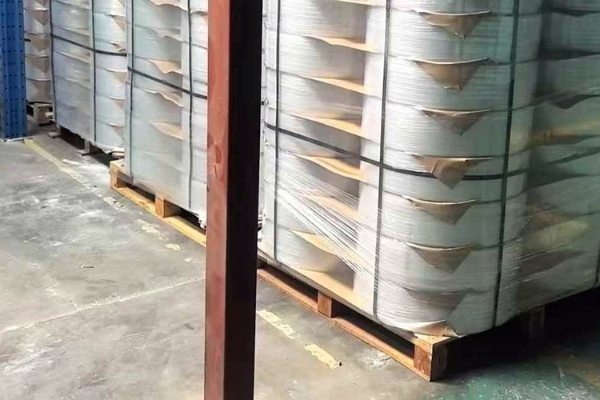
Price follows the exact material, cross-section, grade, surface request, coil, core, joint, tool or machine, packing, order quantity and validation scope. Two quotations can hide different coil, core, joint, tool and validation scopes, and a lower unit price is not necessarily the lower landed cost.
Quote Normalization Scorecard
Comparison line
Mismatch to expose
Normalization action
Product specification
Different material, grade, width, thickness or evidence method
Compare the same accepted product requirement
Joint and application
One offer assumes a buckle, another assumes a friction weld
Define the exact strap/joint/tool system
Coil and packing
Different length, core, coils per pallet or protective packing
Compare usable length and delivery unit
Quantity and production
Different order quantity, color/print or production scope
Align quantity, approval and production assumptions
Freight and destination
Different Incoterm, insurance, freight, tariff or tax boundary
Compare estimated landed cost on one basis

Why totals diverge
A hidden scope gap can delay approval because UD Packaging may be comparing a different product, freight boundary or validation package.
Custom production
Production runs are scheduled at up to 30 days for custom production, subject to quotation confirmation.
A written quotation defines the accepted specification, production scope, packing and schedule.
Trial request
Trial samples may be requested; availability and freight are confirmed with the quotation.
Any sample request should name the load, joint and equipment inputs that it is intended to review.
Validation and Quality Release
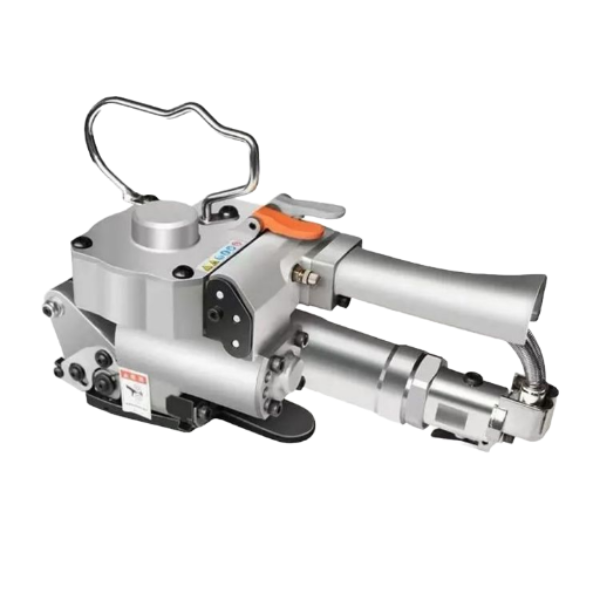
A strong strap can still fail as a packaging system once the joint, tool setting, edge, load movement or distribution exposure becomes the limiting element. The common assumption is that nominal strap strength equals system strength, yet ASTM D3950-23 separates strap properties from joint properties, and ASTM D4675-14a(2022) leaves representative testing and regulatory review with the user.
Hidden Failure-Mode Map
Hidden bottleneck
How it appears
Qualification action
-
Material responseStrap response can change as the load settles or temperature changes.Define elongation, recovery, creep and retained-tension requirements over time.
-
JointA seal, buckle or weld can become weaker than the strap body.Review the exact product, joint and tool combination; test representative joints.
-
Application equipmentFeed, tension or weld settings do not match the grade or surface.Submit the equipment model, current settings and current strap label.
-
Edge and geometryContact at an edge can cut, slip, split or damage a local point.Review load shape, contact friction, corner protection and strap path.
-
DistributionVibration, impact, handling or time changes the force retained after application.Test the approved configuration against the intended handling and distribution window.
“The dependable decision is the one tied to the exact strap, joint, tool, load and route. A material name alone is not a release criterion.”
From Enquiry to Qualified Order Scope
Share the application, the load, the current strap, dimensions, coil, joint, equipment, route and the evidence you need.
We map PP, PET or another route without treating the material name as the final answer.
Unknown product data, tool fit, carrier rules or validation needs stay visible instead of being filled in with assumptions.
The written offer aligns product, packing, quantity, freight boundary, sample and document requirements.
The user reviews the offered strap, joint and application method on representative loads and distribution conditions.
Production follows the accepted written scope; changes go back to review before they become substitutions.
UD Packaging Supply Scope
System sourcing only helps when every component stays traceable to the enquiry. The statements below define the confirmed UD Packaging company scope used on this page.
PET strapping
We manufacture PET strapping on automated production lines.
PET process chain
Our PET strapping chain runs from PET granulation through finished strapping.
Stretch film
We supply industrial stretch film from the same packaging team.
Closures
We supply strapping seals and buckles for system-level sourcing.
Equipment range
We supply manual, semi-automatic and fully automatic strapping machines.
Procurement model
We provide one-stop industrial packaging procurement.
Production location
Our production base is in Jiangyin, Wuxi, Jiangsu, China.
Enquiry support
A professional sales and technical team supports each enquiry.

At UD Packaging, the Jiangyin production base and automated PET production lines support qualified PET strapping enquiries. Ask the UD Packaging technical team to connect the offered product data to the intended strap, joint and equipment combination.
This scope lets buyers route strap, closure, film and equipment questions through one packaging team. It does not replace product-linked data, exact compatibility review or user validation of the offered configuration.
Route the Qualification to Your Load Type
This page qualifies the strap, joint, tool and load as one system. The three routes below carry that same basis into a specific load type, so the inputs you collect here stay usable when the enquiry narrows.
-
 01
01Pallets
A six-step sequence that fixes strap, seal and equipment against the load and its handling conditions, and keeps pallet unitization separate from transport restraint and hoisting.
Compare pallet strapping configurations -
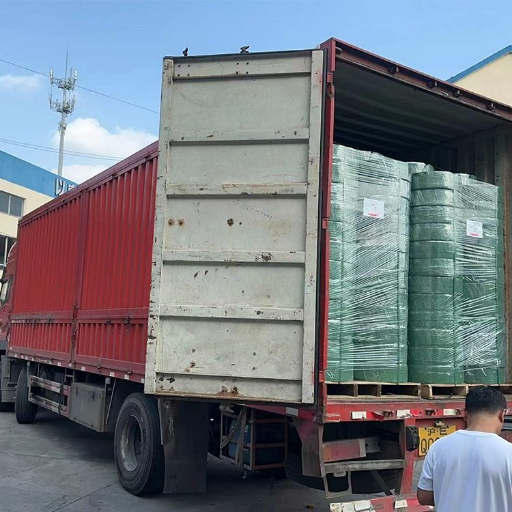 02
02Industrial boxes
An eight-point package, joint, route and equipment review for PET on industrial boxes, including the selection boundaries where box unitization stops being the right answer.
View PET strapping for industrial boxes -
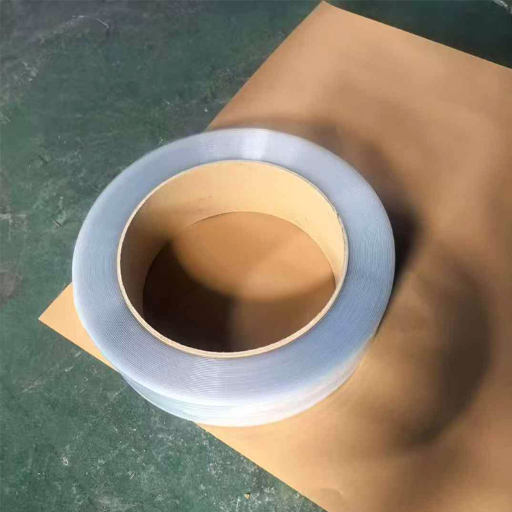 03
03Shipping
A load-to-strap decision grid that reads route, storage exposure and tool system together, with strap surface and joint options set against that profile.
Compare shipping strapping by load and route
Trade-Offs and Stop Conditions
Plastic strapping is not a universal substitute for every current material or securement system. PP and PET are not interchangeable, and break strength alone can be the wrong answer. Unlike a material-only comparison, the right call puts the trade-off in the actual strap-joint-tool-load review; a strap body rating does nothing for an unqualified joint.






-
Condition PP route loses force over the required windowWhy the shortcut fails Initial tension does not describe force retained after load settling and time.Next route Review PET or another material and redefine the test window.
-
Condition PET substitution without joint/tool evidenceWhy the shortcut fails Current closure, weld setting, feed path or surface can become the weak point.Next route Qualify the exact product, joint and equipment combination.
-
Condition Switch from steel strappingWhy the shortcut fails A material-name substitution does not establish equivalent system behavior or regulatory fit.Next route Qualify the new strap, joint, tool, load and distribution scope as a changed system.
-
Condition Sharp edges or shifting loadWhy the shortcut fails Higher break strength alone does not remove cut-in, abrasion, slip or local damage.Next route Review edge protection, strap path, blocking and the whole packaging system.
-
Condition Vehicle cargo securementWhy the shortcut fails Pallet unitization does not prove that cargo is secured to or within a commercial vehicle.Next route Review FMCSA cargo securement rules, carrier and commodity-specific requirements with the responsible party.
-
Condition Dangerous goods or approved packagingWhy the shortcut fails A generic strap selection can conflict with an approved design or applicable regulation.Next route Use the approved package, applicable rule and documented change-control process.
-
Condition Recycling or environmental targetWhy the shortcut fails Resin name and production-chain scope do not prove collection, recycled content or end-market acceptance.Next route Confirm product-linked composition and destination-specific recovery requirements.
Plastic Strapping Professional Tools
Plastic Strapping RFQ Builder
Streamline your procurement process. Quickly generate accurate requests for quotations tailored to your industrial packaging needs.
Access ToolPlastic Strapping Quote Scorecard
Objectively evaluate and compare supplier proposals. Ensure optimal cost-efficiency and reliable material quality for your operations.
Access ToolJoint and Tool Qualification Checklist
Maintain rigorous safety and performance standards. Systematically verify your strapping joints and application tools before deployment.
Access ToolPlastic Strapping FAQs
It can close, reinforce, bundle or unitize a package or pallet when the selected strap, joint and application method are validated for that load. Vehicle cargo securement is a separate scope under FMCSA rules and can require tiedowns, working-load limits and other controls.