Get in touch with UD Packaging Company

SYS_WH_01 // ACTIVE LOGISTICS
Logistics & Warehousing
PET Strapping & Pallet Logistics Packaging Solutions
Screen six published PET strap sizes, capture the 13 inputs that affect a unit load, and assemble strap, joint, tool, edge protection, pallet and stretch film into one testable packaging system.
Start with the load, not the coil
- Published nominal widths: 12, 16 and 19 mm
- Published tensile-force range: 2600-6800 N
- Manual, semi-automatic and fully automatic equipment routes
- Buyer-specific quotation after specification review
Pallet Packaging Scope at a Glance
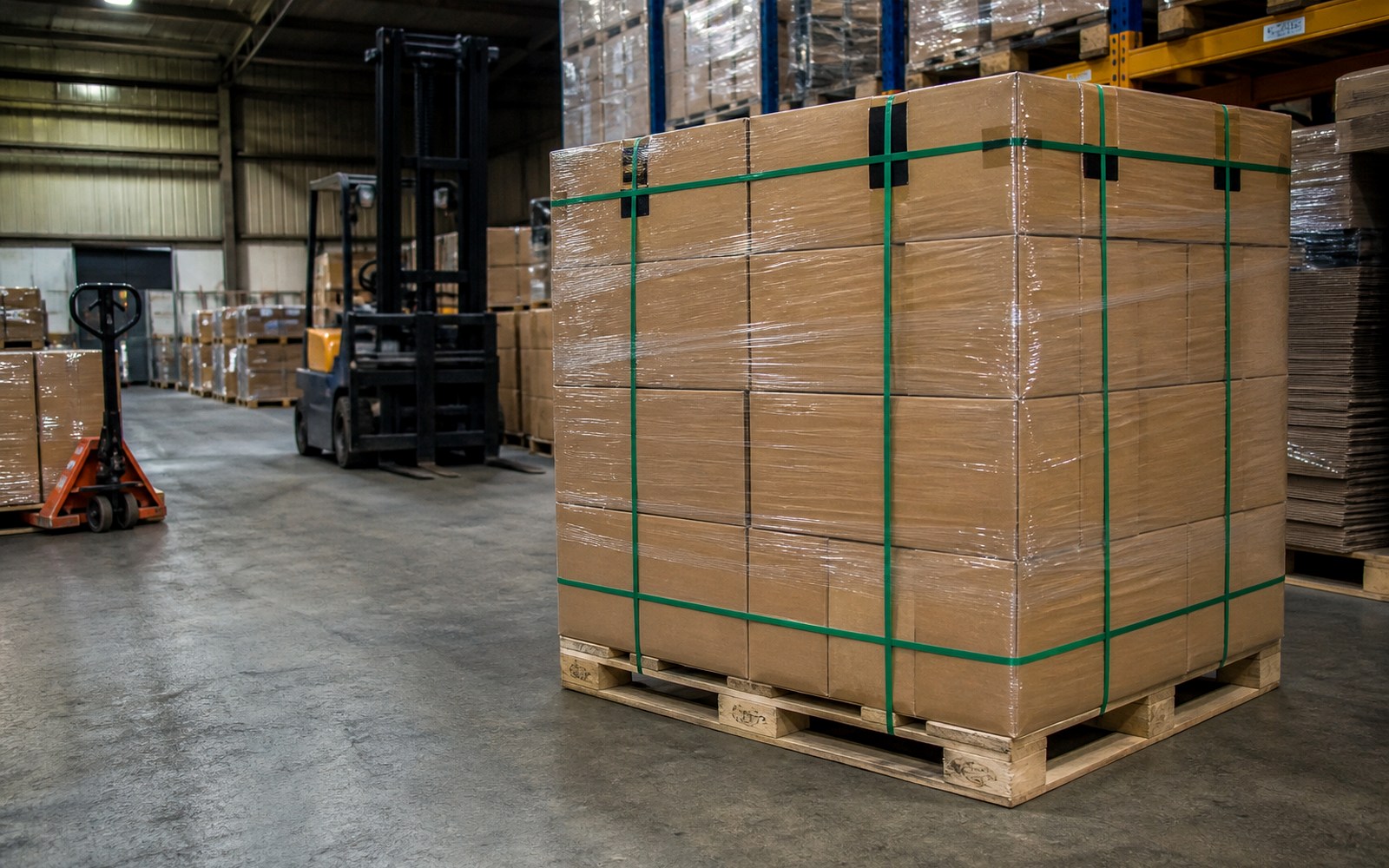
Logistics packaging solutions fail when a buyer treats strap, film, pallet and handling as separate purchases. UD Packaging reviews them as interacting parts of a unit-load containment system, then identifies the product data and tests needed before release.
04
13
Inputs before selection
Geometry, gross weight, edges, stability, pallet, handling, route, environment and the current failure mode shape the review. This solution connects supply chain handoffs, customer service expectations, transportation constraints and automotive-component loads.
6
Published PET strap rows
Our PET strapping range covers six published models from 12 mm to 19 mm nominal width.
02
2600–6800 N
Published tensile-force data
Published tensile-force data spans 2600 N to 6800 N.
03
20 kg
Published coil planning data
Each listed coil has a published net weight of 20 kg. Published coil lengths span 800 m to 2140 m.
01
The honest version
The highest published strap force is not always the safest or lowest-cost answer. Over-constraining width or thickness can create machine-fit problems while leaving the real joint, edge or pallet risk untouched.
The UD 4-Layer Containment System
A pallet that looks square at the packing station can still tip, crush, migrate or lose containment after forklift handling and truck vibration. The structural reason is that the package, pallet, strap and film exchange forces through every shock, turn and compression event.[4][6]
1
Primary package and stack
Carton strength, bag settlement, bundle geometry, voids and the center of gravity determine whether the load behaves as one body or several moving layers.
2
Pallet and load interface
Deck gaps, overhang, damaged boards and poor load distribution can create a failure that no extra banding can repair.
3
Strap, joint and edge protection
PET strap supplies tension around the load, while the seal or weld, contact edges and tool setting govern how much useful containment survives.
4
Stretch film and distribution cycle
Film supports lateral containment and surface protection; the route supplies shock, vibration, compression, humidity and repeated handling.
More strap is not always the resolution.
If the pallet deck deflects, the stack settles, or a sharp edge cuts the band, added tension can move the problem instead of removing it.
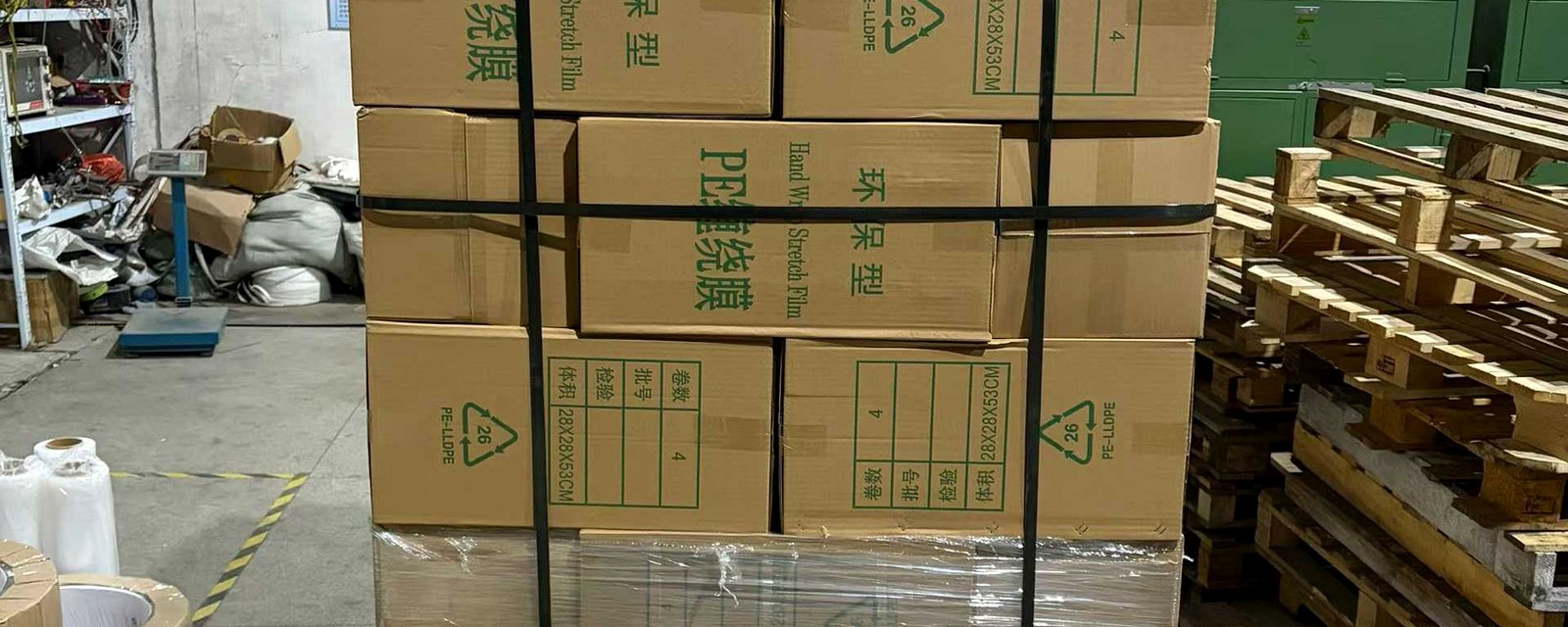
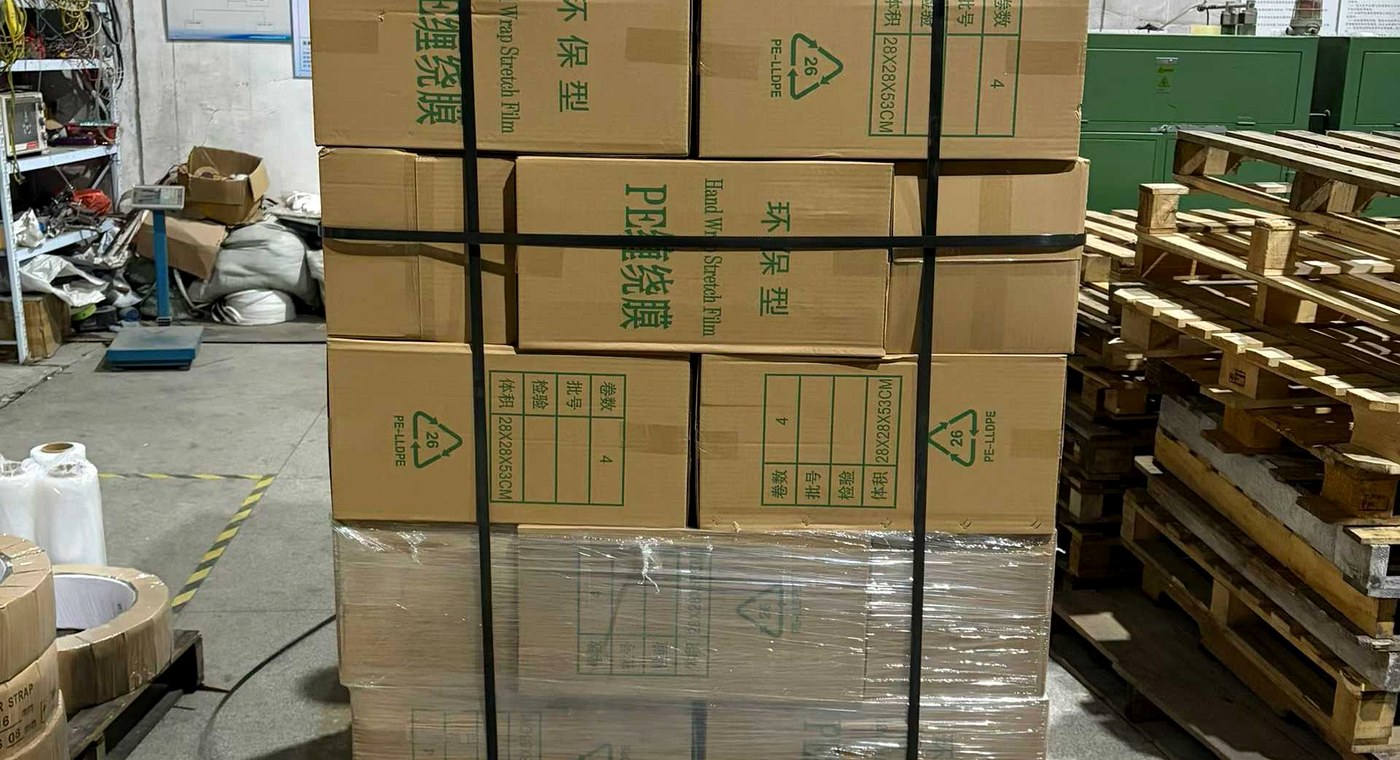
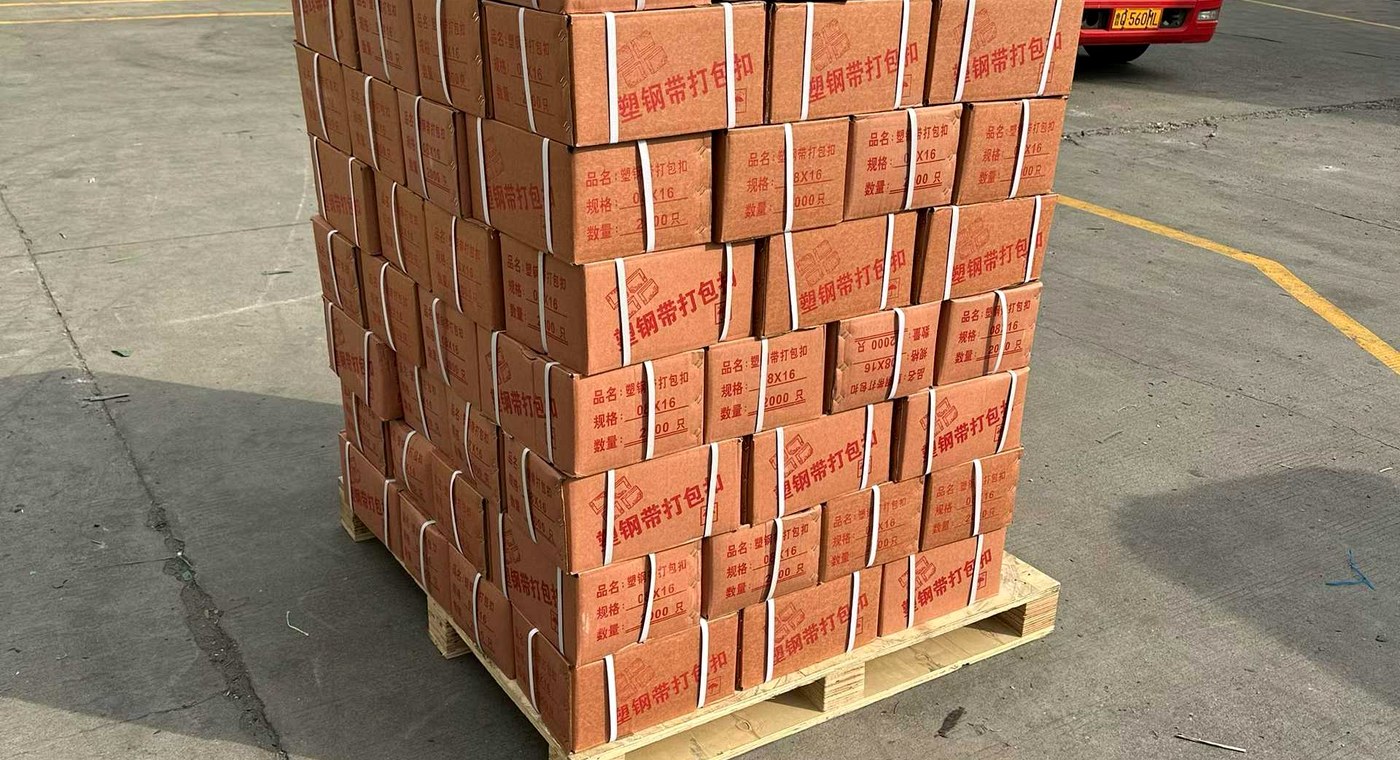
Palletized cartons secured with dark PET strapping and stretch film
Real UD Packaging shipment preparation: cartons, pallet, PET strapping and stretch film used as a combined containment system.
One procurement route
We supply industrial stretch film with high stretch and puncture resistance. We supply strapping seals and buckles.
Machine route
We supply manual, semi-automatic, and fully automatic strapping machines. A manual tensioner and sealer may suit variable low-volume work, while a pneumatic strapping tool or automated machine needs stable strap dimensions.
Product Specifications
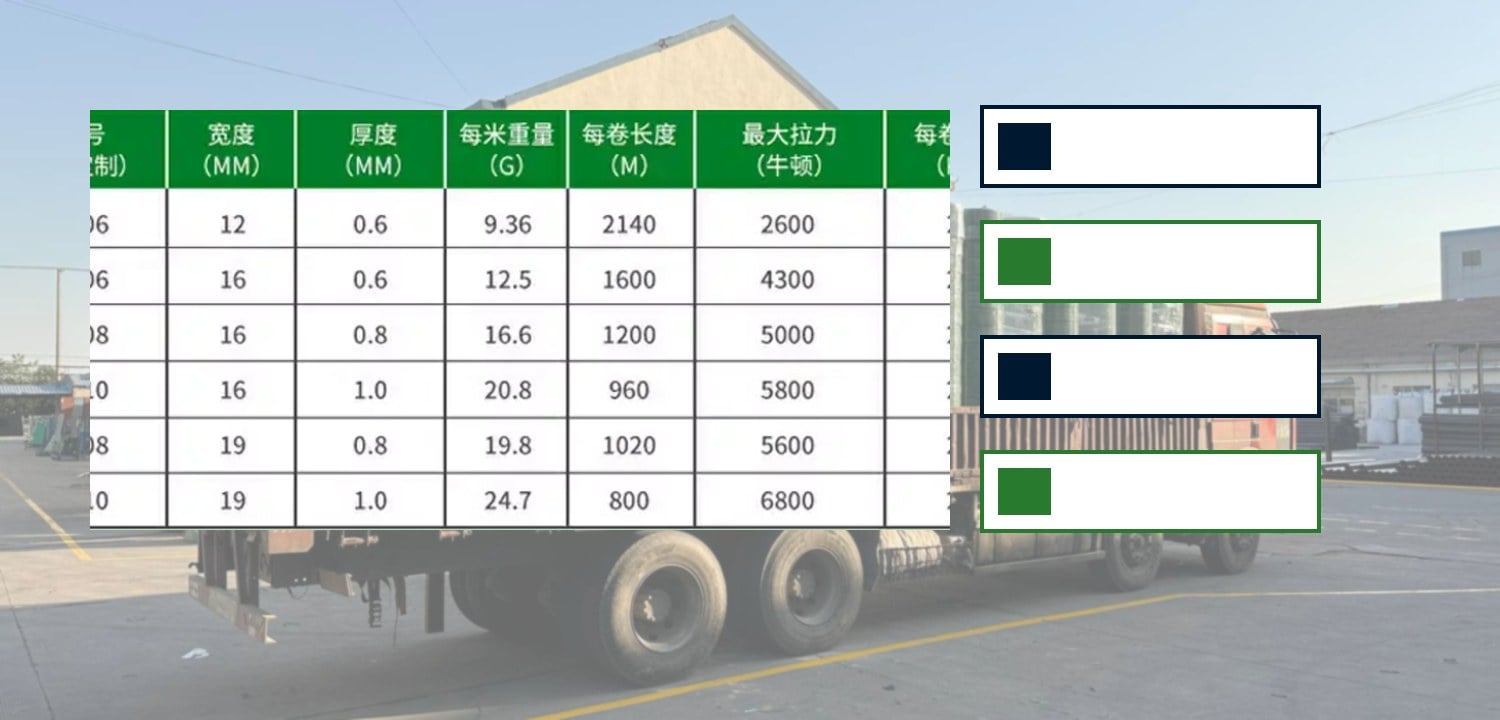
UD 6-Size Published PET Strap Data Table
Our PET strapping range covers six published models from 12 mm to 19 mm nominal width. The range includes 0.6 mm, 0.8 mm, and 1.0 mm nominal thicknesses.
| Model | Nominal width × thickness | Mass per meter | Published coil length | Published tensile force | Net weight |
|---|---|---|---|---|---|
| 1206 | 12 × 0.6 mm | 9.36 g/m | 2140 m | 2600 N | 20 kg |
| 1606 | 16 × 0.6 mm | 12.48 g/m | 1600 m | 3900 N | 20 kg |
| 1608 | 16 × 0.8 mm | 16.64 g/m | 1200 m | 4600 N | 20 kg |
| 1610 | 16 × 1.0 mm | 20.8 g/m | 960 m | 5600 N | 20 kg |
| 1908 | 19 × 0.8 mm | 19.76 g/m | 1010 m | 5800 N | 20 kg |
| 1910 | 19 × 1.0 mm | 24.7 g/m | 800 m | 6800 N | 20 kg |
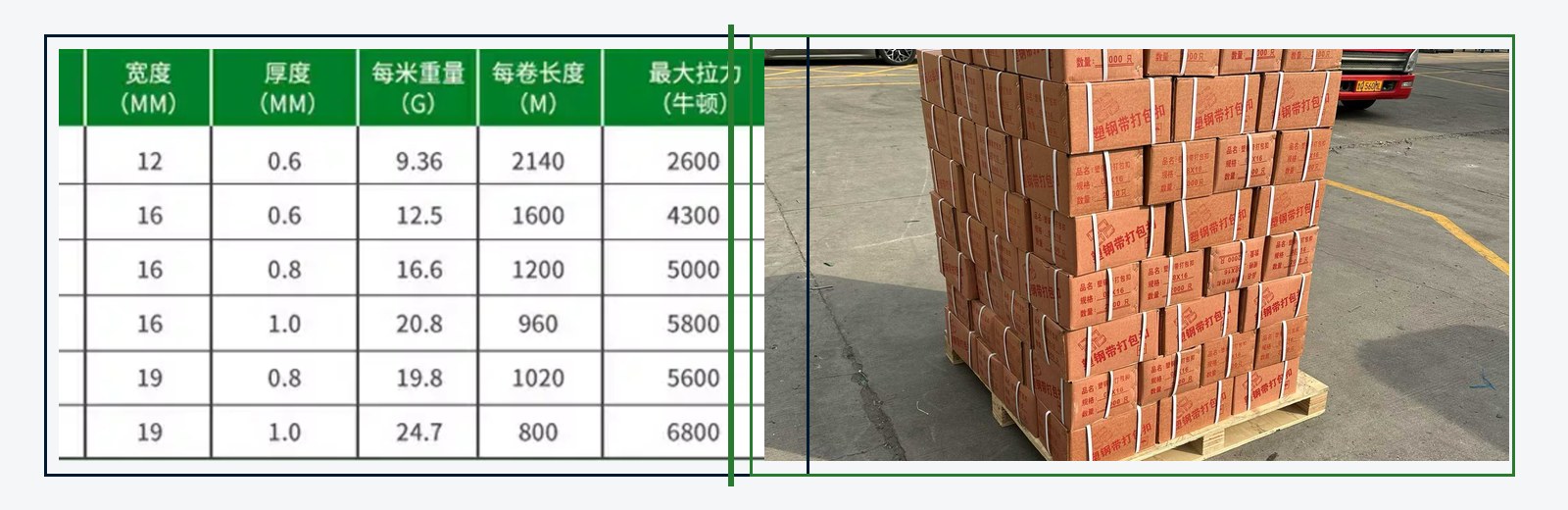
Technical Note
Numeric screen, not a load rating. A 6800 N published strap value cannot be multiplied by strap count to claim pallet capacity. Joint efficiency, applied tension, relaxation, edge radius, package compression, pallet behavior and dynamic distribution hazards remain part of the system decision.
Joints, Edge Protection and Machine Fit
Weld quality is a system variable, not a visual afterthought. A strap with suitable material strength can still fail early when the weld, buckle, seal, tension setting or tool wear produces an inconsistent joint.[1][2]
Joint route
Compare heat-weld, friction-weld, seal and buckle options against the selected strap, tool condition and required repeatability. Record joint test results rather than assuming a catalog percentage.
Edge route
Safe cutting of tensioned strap starts with a controlled release method and an operator position outside the recoil path. Sharp or abrasive contact points also need suitable edge protection.
Equipment route
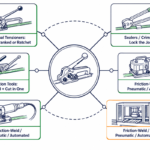
A strap kit may combine a tensioner, sealer and seals for manual work. Higher throughput may justify a battery or pneumatic tool, a semi-automatic machine, or fully automatic strapping equipment.
M-02
// SECTION 02
Material names are not interchangeable
Poly strap can mean polypropylene strapping or polyester strapping in casual purchasing language. Polypropylene, PET strap, steel strap and steel strapping have different behavior; confirm the polymer, width, thickness, joint and tool rather than ordering from a generic label.
The wrong material is sometimes blamed when the real failure sits at the joint or edge. Where to look instead: inspect weld area, seal application, tool calibration, contact radius, load settlement and retained tension after conditioning.
01
Geometry and Mass
1. length
2. width
3. height
4. gross weight
2. width
3. height
4. gross weight
Defines load shape, contact paths, handling limits and the scale of movement to be controlled.
02
Product Behavior
5. product/pack type
6. edge condition
7. center of gravity
8. stack pattern
6. edge condition
7. center of gravity
8. stack pattern
Shows whether the load settles, crushes, shifts, abrades strap or concentrates pressure.
03
Foundation and Route
9. Pallet/base
10. Distribution hazards
11. Handling method
10. Distribution hazards
11. Handling method
Separates warehouse transfer from multi-stage distribution, export handling and repeated forklift events.
04
Exposure and Baseline
12. Temperature/moisture
13. Current containment system
13. Current containment system
Connects conditioning, material behavior and the observed failure mode to the trial plan.
Total Cost of Ownership (TCO)
A heavier coil is not always the lower-cost choice because usable length, strap consumption, coil changes and operator time interact. The trade-off belongs in a buyer-entered cost model, not a supplier savings promise.
A useful quotation cannot be reduced to a public price per kilogram. Specification mix, coil format, order volume, strap color, printing, machine compatibility, packing method, destination, delivery schedule and requested trade term can change material and logistics cost.
Product inputs
Provide nominal width and thickness, required coil length or core format, color, surface, printing, estimated annual usage and current strap performance.
Process inputs
Provide the tensioner, sealer, pneumatic tool or strapping machine model, joint type, line speed, coil-change constraints and operator method.
Delivery inputs
Provide quantity per release, destination, packing expectations, required documents, requested schedule and the trade term for quotation review.
From Load Inputs to Controlled Trial
UD Packaging provides a staged process so procurement, warehouse, quality and production teams can see which decision has evidence and which still needs a trial. This sequence prevents a sample that merely fits a tool from being mistaken for a qualified packaging solution.
01
Capture the baseline
Record the 13 unit-load inputs, current plastic or steel strap system, packaging damage pattern, application rate, tool and machine settings, and representative shipment route.
02
Screen published candidates
Compare nominal width, thickness, tensile force, coil length and equipment fit. Eliminate a mismatch early, but do not turn the surviving row into a final recommendation.
03
Define the complete trial build
Specify strap count and pattern, joint, applied tension, corner or edge protection, pallet, package stack, stretch-film pattern and every controlled variable.
04
Run representative handling and testing
Condition the load, reproduce the intended distribution hazards, use enough samples for the acceptance plan, and record visible movement, retained containment and package damage.
05
Release and monitor
Document the approved specification, equipment settings, operator checks and change-control triggers. Revalidate when the package, pallet, arrangement, containment method or route changes.
System changes can invalidate an old result
Virginia Tech educational guidance notes that a special-purpose pallet rating applies to the exact package and load tested; changes to packaging material, pallet design, arrangement or containment call for new evaluation.[6] Treat this as system-design guidance, then confirm against the current build and applicable test method.
Evidence with boundaries
Evidence Boundaries and Validation Plan
Manufacturing and Shipment Evidence
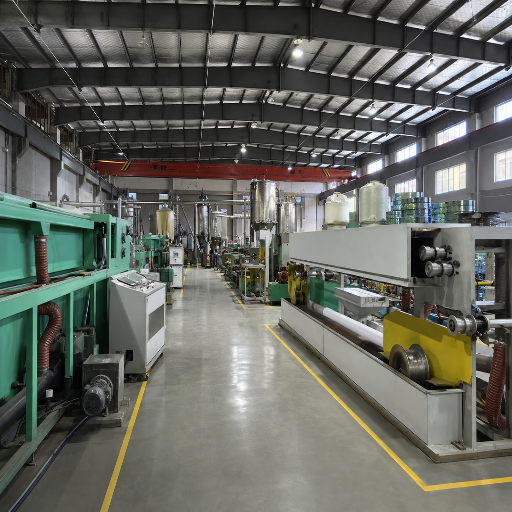
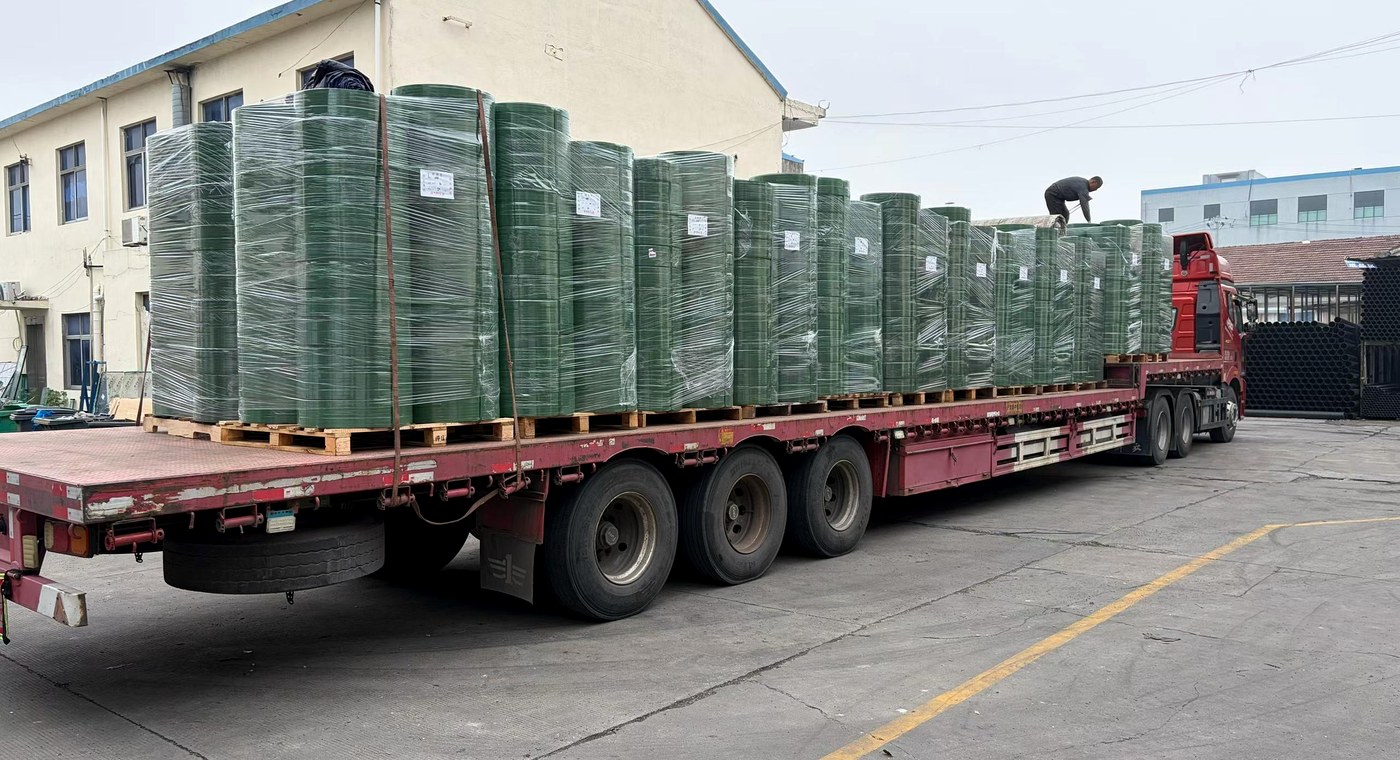
UD Packaging manufactures PET strapping at its Jiangyin, Wuxi, Jiangsu production base. At the Jiangyin factory, automated PET strapping production lines and finished-product inspection support direct control of material preparation and output. The company combines manufacturing and trade support for PET strapping, industrial stretch film, supporting consumables and equipment.
01
Integrated production
Production from PET granulation through finished strapping gives the factory a direct view of material preparation and finished-product variables.
02
Published comparisons
Six rows let a buyer compare width, thickness, mass per meter, length, force and coil weight without hiding the numeric trade-off.
03
One-stop support
Strap, stretch film, seal, buckle, hand tool and strapping machine options can be reviewed within one packaging discussion.
We customize the candidate strap, joint, tool, and film configuration against your unit-load inputs. The differentiator is not a universal claim; it is a traceable route from buyer data to candidate, trial and release record.
Advanced Logistics & Packaging Evaluation Tools
UD 13-Field Unit-Load Review
Complete the fields you know. The result measures input readiness and highlights questions for a packaging review; it does not certify a pallet, calculate a working load, or replace distribution testing.
Access Evaluation ToolUD 6-Size Published PET Strap Data Matcher
Screen UD Packaging’s six published PET strap rows by buyer-entered nominal dimensions and minimum published tensile force. A match is a data-screening result, not a pallet rating, working-load limit, joint guarantee, or final material recommendation.
Launch Data MatcherPackaging Cost Input Planner
Compare an existing system with a candidate system using only your own operating inputs. Currency is intentionally neutral, and every field starts blank so the calculator cannot manufacture a savings claim.
Open Cost PlannerFAQ
Insights & Solutions
Frequently Asked
Questions
Key technical insights and practical solutions for logistics packaging systems and performance.
No. Gross weight matters, but geometry, package compression, edge radius, center-of-gravity movement, pallet condition, joint type, applied tension, film pattern and route hazards also change system behavior. A useful review also records the current failure, handling frequency and environmental exposure. Use the 13-field worksheet to define those inputs, then agree on representative conditioning and distribution tests.
No. It is strap-level tensile data, not a pallet working-load rating.
No. PET can offer useful handling, corrosion and retained-tension characteristics in suitable pallet-unitization work, but steel remains appropriate or required in some applications. Lifting, lashing, sharp edges, elevated temperatures and regulated cargo can change the answer. Confirm the complete system and its governing requirement instead of choosing from a universal material hierarchy.
Not automatically. Film and strap control different movements, so test the intended wrap, strap, joint, pallet and package together.
Train staff to identify the recoil path, keep their body and nearby people clear, use suitable protective equipment and a purpose-made cutter, and release tension in a controlled direction. Site procedures must address the actual strap, load and receiving area.
Tool wear, contamination, unsuitable settings, strap variation and poor alignment can affect a friction-weld joint. Inspect the tool and joint, then test the selected strap and settings instead of judging weld quality from appearance alone.
Send load dimensions and weight, product behavior, stack and pallet details, current strap and observed failure, plus the tool or machine model. Add annual usage, release quantity, destination, packing needs, requested schedule and trade term. Photos of the packed load and failed area make the review more specific.
UD Packaging can screen the exact machine or tool model, coil, core, strap and joint inputs. Final fit still needs a controlled trial.