Get in touch with UD Packaging Company

Strapping tools · industrial packaging route selection
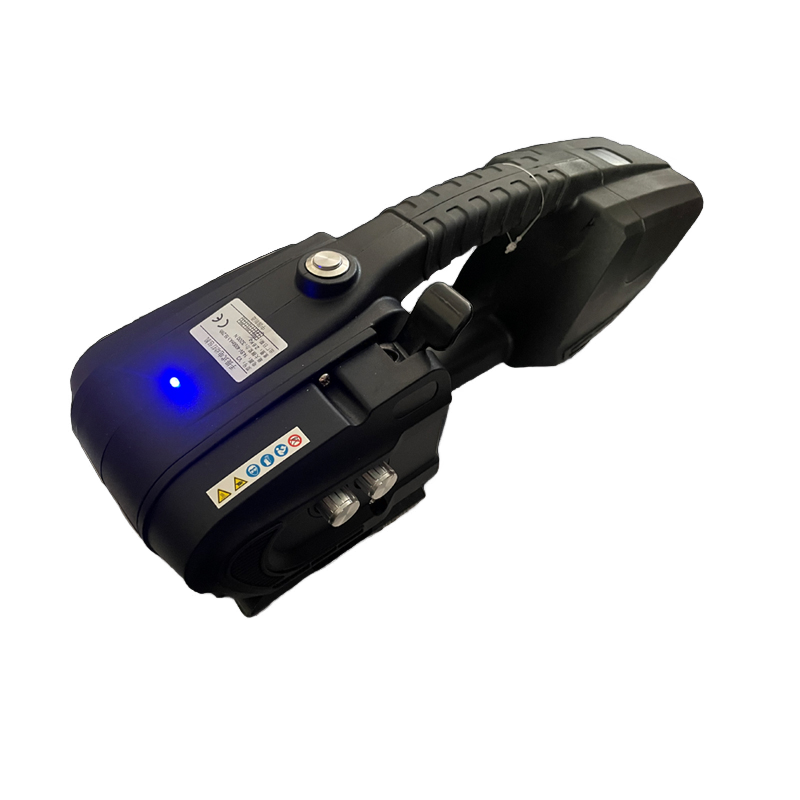
Strapping Tools for PET and Plastic Packaging
Strapping tools should be matched to the strap, joint, load and workcell before a product route is chosen. Send the application inputs once, and UD Packaging can separate the handheld, tensioning and machine paths that belong in your enquiry.
01
Parent selection route
Compare tool, tensioner and machine paths without forcing a model decision.
02
Three product routes
Polyester tool, strapping machine and standalone tensioner pages.
03
Ten input groups
Strap, joint, load, workcell, transport and validation information in one ledger.
04
One technical handoff
UD Packaging confirms the route and quotation scope from the supplied application record.

Strapping Tool Routes for PET and Plastic Packaging
Nominal strap width is only one packaging-industry input. ASTM D4675 treats strapping selection as an application decision tied to handling, transit, storage and carrier conditions, so the route board keeps the complete context visible.1 Whether an enquiry says poly, poly strapping, banding tool or strapping tool, the strapping process still needs confirmed inputs before a solution can be assessed for how it may secure the package and before strapping systems can be compared.
01
Strap identity
PET or polyester, polypropylene or another plastic strapping material; include the exact grade, width, thickness and current product document.
02
Joint formation
State whether the existing process uses seals, buckles, friction welding or another joint. Tensioners, sealers and cutters remain separate functions until a combination tool is confirmed.
03
Load and package
Record load mass, geometry, edge condition, compressibility, contact surface and the strapping path around each bundle or pallet.
04
Operating pattern
Describe portable work, fixed stations, manual handling, powered operation or line integration, including product changes during a shift.
05
Utilities and mobility
List available electrical supply, charging arrangement, compressed air, hose routing, movement range and working space.
06
Throughput
Provide order pattern, units per shift, strap cycles per package and the operational consequence of a stopped tool or machine.
07
People and workcell
Capture reach, force, repetition, posture, pallet height, access points, guarding and hazardous-energy responsibilities.
08
Transport and destination
Record shipping and transportation inputs: mode, carrier, destination and jurisdiction, plus any customer packaging or cargo-securement rule.
09
Environment
Describe stacking, vibration, impact, moisture, temperature, outdoor exposure, load settling and retained-tension needs.
10
Validation and records
Define representative samples, conditioning, test sequence, acceptance criteria and the documents required with the quotation or order.
Tool and Machine Options
Route cards provide a handoff, not a compatibility verdict. A tool labelled for plastic strap may combine functions or perform only one, while nonmetallic strapping and its joining method remain separate scope layers.2 Open the child page that matches the main function, then submit the same strap, joint, load and workcell record for confirmation.
ROUTE / 01
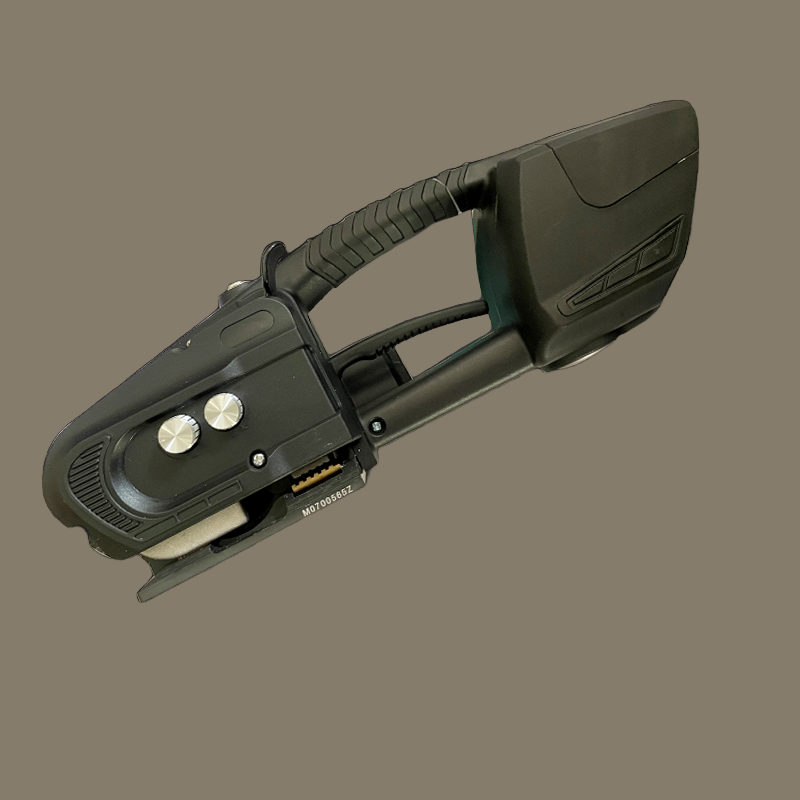
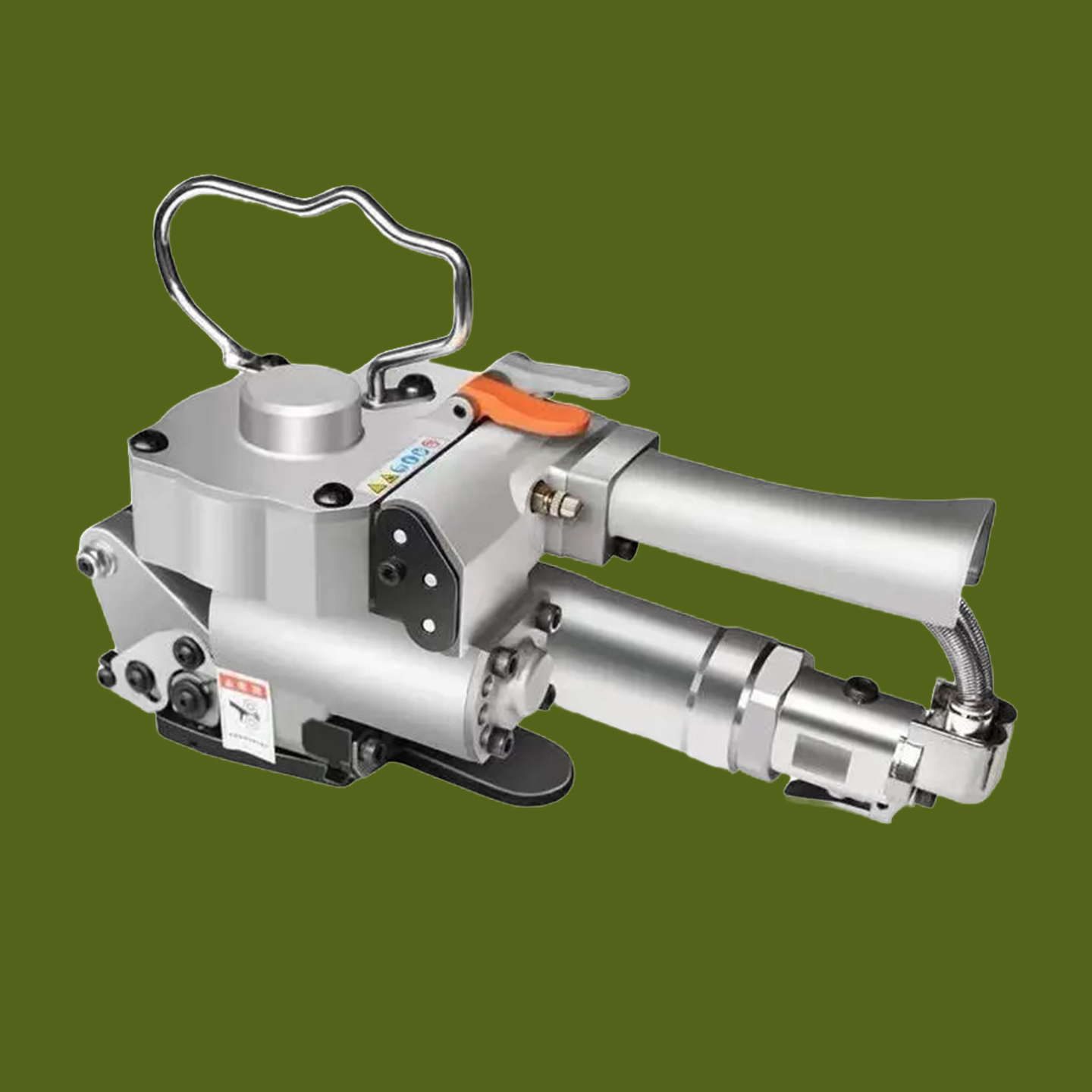
Polyester Strapping Tool
Start here for a handheld PET or polyester strapping tool route where tensioning, joint formation and cutting functions need to be compared as one operating package.
- Start with strap identity and current joint method
- Confirm required functions and work pattern
- Carry unresolved compatibility fields into the enquiry
ROUTE / 02
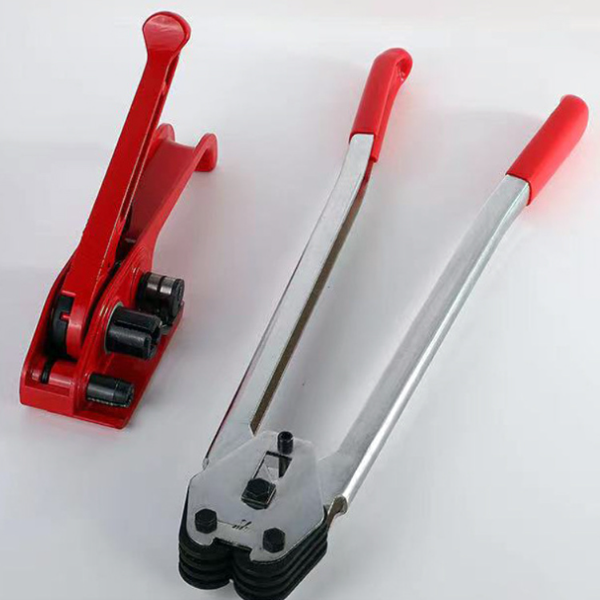
Strapping Machine
Start here when the package, line interface, repeat volume or fixed workcell points toward manual, semi-automatic or fully automatic strapping equipment.
- Start with package dimensions and flow
- Include access, controls and guarding boundaries
- Define the required interface and validation scope
ROUTE / 03
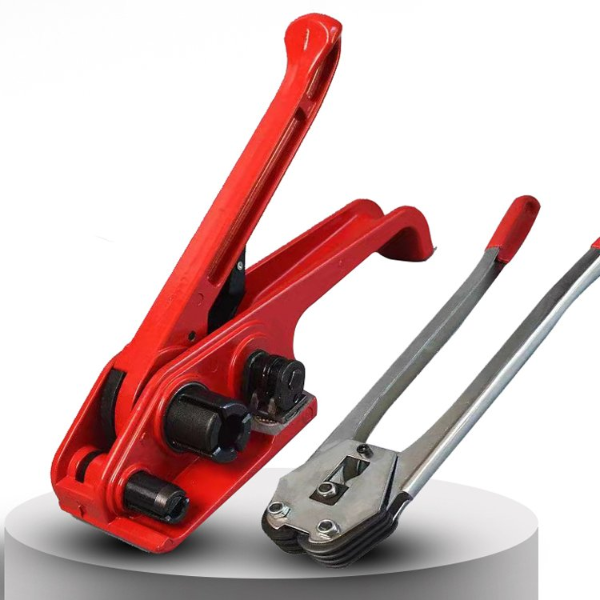
Strapping Tensioner
Start here when the enquiry concerns the tensioning function and the joint is formed by a separate buckle, seal, sealer or other confirmed method.
- Start with strap and load details
- Identify the separate joint components
- Confirm tensioner fit as one system layer
Operating-Mode and Workcell Inputs for Tool Matching
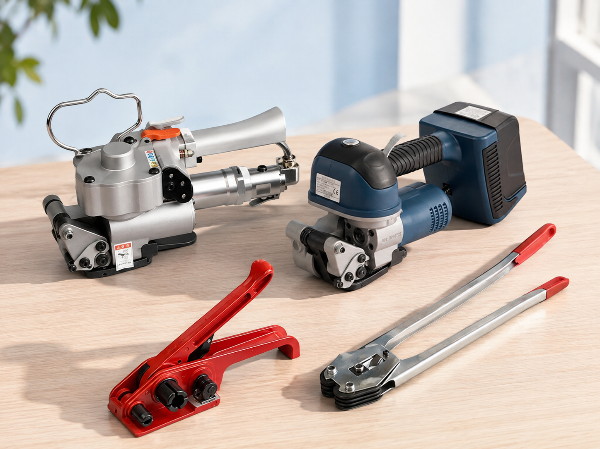
Power source alone does not make a route fit the job. Force, repetition and awkward or static posture remain ergonomic risk signals in OSHA material, while machine routes also bring access, guarding and hazardous-energy responsibilities into the workcell review.347
Operating route under review
Inputs to send
Confirmation boundary
Manual strapping tool
Inputs to send
Frequency, available space, force, repeated motions, posture, pallet height, operator path and existing tools
Confirmation boundary
Confirm the function and application fit; do not infer a tension value or safe exposure level.
Battery or electric tool
Inputs to send
Shift pattern, charging conditions, mobility, repeated exposure, work area and any existing battery platform
Confirmation boundary
Confirm availability, battery details, cycle and service scope in writing.
Pneumatic tool
Inputs to send
Air supply, hose management, disconnection and isolation, mobility, noise/vibration review, workcell and environment
Confirmation boundary
Confirm operating requirements and strap/joint scope from the actual tool document.
Semi-automatic or fully automatic machine
Inputs to send
Package envelope, line interface, target flow, operator zone, entry points, safeguarding, controls and energy sources
Confirmation boundary
Confirm machine configuration, integration and employer-side workplace controls for the installation.
System-Fit Inputs for a Comparable Tool Recommendation
Material and nominal width do not capture load, environment or actual joint method.12 Useful plastic strapping tool enquiries let two quotations be compared on the same evidence. Complete the ledger below and mark unknown fields clearly; UD Packaging can then return the product route, missing inputs and required confirmation actions.
| Input group | What to provide | What the review returns |
|---|---|---|
| Strap | Material, exact grade or product code, width, thickness and current technical sheet | Strap identity gaps and the route requiring compatibility confirmation |
| Joint | Seal, buckle, friction weld or other method; component identity and required joint criterion | Joint-formation layer, required components and evidence gaps |
| Load | Mass, dimensions, geometry, edges, compressibility, friction surface and strap path | Load conditions that must be represented in selection or validation |
| Work mode | Manual, portable powered, pneumatic or machine objective and the current process | Candidate child route and unresolved operating conditions |
| Utilities | Electrical supply, charging, compressed air, hose routing and movement range | Utility questions that must be answered by the selected product record |
| Throughput | Packages, strap cycles, shifts, product changes and downtime constraint | Operating-route comparison scope without an invented cycle figure |
| People and workcell | Reach, force, repetition, posture, pallet height, access, guards and energy sources | Employer/workplace inputs and specialist-review triggers |
| Transport | Mode, carrier, destination, jurisdiction and customer requirements | Packaging, carrier and cargo-securement layers that need separate review |
| Environment | Stacking, handling, vibration, impact, temperature, moisture, exposure and load settlement | Distribution hazards and retained-performance questions for validation |
| Validation and documents | Representative samples, sequence, conditioning, acceptance criteria, report and commercial records | Proposed validation action and document list for the quotation |
Comparable evidence boundary
The trap is treating a 100% input-readiness score as performance proof. Unlike a model-specific recommendation, the ledger only confirms that requested fields were recorded because product evidence still belongs to the selected configuration. UD Packaging confirms that configuration against the enquiry and written quotation.
Decision Cost and Quotation Scope
Tool price alone does not describe the purchased system. Wide price spreads create a trust problem when reliability, inclusions and evidence scope are unclear. The cheapest offer is not always the best comparison point until a quotation identifies the strap, joint components, tool functions, utilities, validation actions, documents and commercial fields.
Scope drivers to align before price comparison
Driver
Why it changes the quotation
Buyer action
Tool function
Tensioners do not have the same scope as sealers, cutters or combination tools.
List each required function and existing component.
Strap and joint evidence
Compatibility and joint proof depend on exact materials and formation method.
Attach current product documents and acceptance criteria.
Workcell
Power, air, charging, mobility, guarding and integration can change the supplied route.
Describe the workplace and responsible interfaces.
Validation
Representative samples, distribution hazards and reporting require their own work package.
Agree on sample, sequence, criteria and report before order release.
Commercial terms
Quantity, packaging, payment, trade term, delivery and service scope belong in the written quotation.
Ask UD Packaging to confirm each field for the selected route.
Bronze decision-cost frame
No transferable ROI percentage is used on this page. The defensible saving is procedural: remove missing inputs and hidden scope before price comparison, then evaluate the written quotations on equal terms.
Strap, Joint, Transport and Unit-Load Validation
ASTM D3950 covers nonmetallic strapping and joining methods, while ASTM D4675 addresses selection and application for handling, transit and storage.12 These scopes support a layered validation plan; they do not certify a particular UD Packaging tool.
Component identity
Confirm the exact strap, joint component and product documents. Labels such as PET, PP or plastic banding do not create a complete compatibility record.
Joint formation and strength
Record how the joint is formed and how it will be accepted. Strap strength does not replace joint evidence, and a tensioning function does not prove the sealing method.

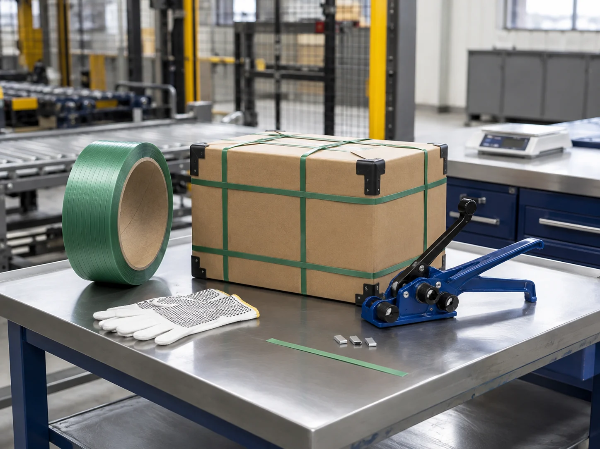
Completed unit load
Build the representative package and define stacking, handling, vibration, impact, environment and load-settlement conditions. ISTA procedure selection varies with the packaged product and distribution context.5
Carrier and jurisdiction
Identify transport mode, carrier and destination rules separately. When the system also affects commercial-vehicle cargo securement, retain the packaging and vehicle layers and route the latter for qualified review.6
Strap, joint and tool evidence are not interchangeable. Strap reports cannot substitute for tool, joint or completed-load proof. The wrong answer is to force one evidence object across every layer; the practical trade-off is a validation plan that names each object and acceptance criterion.
“A useful tool match states what still needs confirmation. That is how the strap, joint, workcell and finished load remain one engineering decision instead of four disconnected purchases.”
How We Work: Strapping Tool Procurement Process
Provide strap, joint, load, workcell, transport and document inputs in one enquiry.
UD Packaging identifies the relevant child route and lists the fields that remain open.
Both sides confirm tool functions, separate components, utilities and workplace interfaces.
Where needed, agree on representative samples, sequence, conditioning, acceptance criteria and reporting.
UD Packaging confirms quantity, package scope, payment, trade term, delivery and support fields in writing.
The order, documents and responsibilities follow the accepted quotation and validation scope.
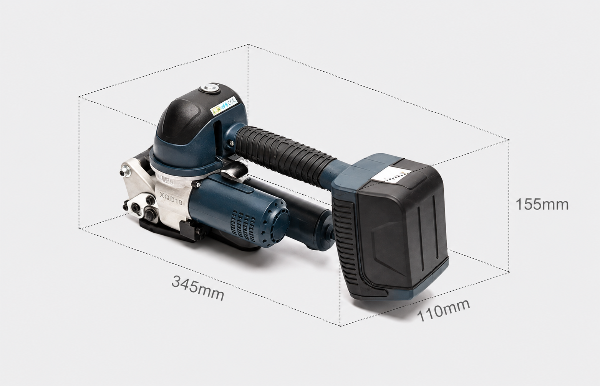
What makes two offers comparable
The quoted product name is not enough. Compare included tool functions, required consumables, validation work, workplace interfaces, documentation and commercial terms line by line.
Industries We Support and UD Packaging Supply Scope
UD Packaging is an integrated industry and trade enterprise in plastic packaging materials. We operate a modern manufacturing base in Jiangyin, Wuxi, Jiangsu. The confirmed scope below is presented without extending it into unverified tool models or performance values.
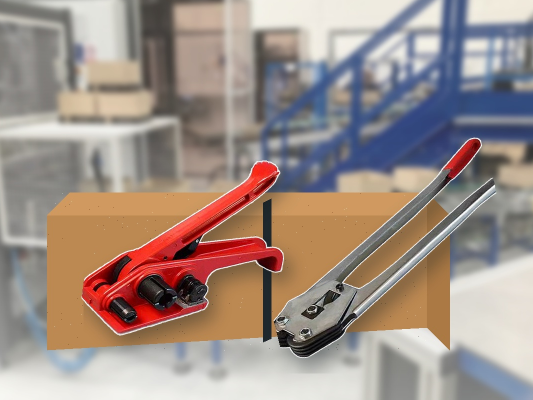
Strapping materials
- We supply PET strapping.
- We promote renewable-resource utilization.
- We have independently developed and introduced automated PET-strapping production lines.
Supporting materials
- We supply industrial stretch film.
- We supply strapping seals and buckles.
- We support one-stop industrial packaging procurement.
Equipment routes
- We supply manual, semi-automatic, and fully automatic strapping machines.
- Each enquiry is routed by the supplied application record.
- Written confirmation covers the selected product scope.
Commercial handoff
- Our sales team handles enquiries.
- Our technical team reviews applications.
- The written quotation confirms the selected product and commercial scope.
Packaging chain context
- Our supply scope combines strapping materials, supporting consumables and equipment procurement.
- We have built strategic partnerships with domestic and overseas enterprises over the past decade.
- Strap reports remain separate from tool or machine proof.
Target applications
Our broader packaging-material scope serves industrial bundling and transport needs across metal, energy, building-material, wood, paper, fibre, textile, agriculture, food, electronics and tobacco operations. The exact tool route still follows the load and workcell record.
Route Boundaries That Protect the Purchase
A parent category page is the wrong place to turn incomplete inputs into a model answer. Automation is sometimes assumed to remove workcell review, but it changes the interfaces that must be reviewed.37 Use the alternatives below when the selection crosses into another evidence or responsibility layer.
Situation |
Why the parent route stops |
Next action |
|---|---|---|
| Only PET or PP and nominal width are known | Thickness, grade, joint, load and workcell remain open. | Complete the input ledger and attach the strap document. |
| A thicker strap is treated as automatically safer | Thickness is not necessarily compatible with the same tool, joint or package conditions. | Confirm the complete configuration and required validation. |
| A joint-strength figure is required | The joint formation and test configuration must be defined separately. | Agree on components, method, samples, condition and acceptance criterion. |
| A machine enters an operating zone | Access, guarding, control and hazardous-energy duties are workplace-specific. | Route the installation through the employer’s machine-safety review. |
| The package also restrains vehicle cargo | Packaging and commercial-vehicle cargo-securement rules may both apply. | Retain both layers and obtain qualified jurisdiction-specific review. |
| A certification claim is requested | Strap test evidence and a tool or machine certificate are different proof objects. | Request the exact product-level document and verify its scope before use. |
Strapping Optimization Tools
Determine the optimal strapping routing and positioning for your specific packaging line. Ensure maximum load stability and material efficiency.
Access Tool
Calculate and log the compatibility of your current strapping materials with UD Packaging equipment. Streamline your integration process.
Access Tool
Define the testing parameters and performance requirements for your strapping applications. Generate a standardized validation framework.
Access Tool
FAQ: Strapping Tools
Start with the exact strap document, joint method, load and workcell. A handheld polyester route, standalone tensioner or strapping machine route can then be reviewed without turning a material label into a compatibility claim.
Send material, product code or grade, width, thickness and technical sheet, followed by joint components and the required functions. Load geometry, operating pattern, utilities and environment complete the record.
Compare both when package flow, repeat volume, fixed-station work or line integration may change the operating route. Include package dimensions, strap cycles, product changes, operator access and the impact of downtime.
No. Width does not identify thickness, material grade, surface, joint method, required tensioning function or the load conditions that the finished package must withstand.
Submit the power or air conditions, mobility, work pattern and required functions. UD Packaging will confirm the available route and product scope in the quotation.
Name the seal, buckle, weld or other formation method and the components used. Add representative samples, conditioning, test setup and acceptance criterion when joint performance must be verified.
State the mode, carrier, destination, customer packaging requirement and any cargo-securement role. These details determine whether packaging validation is enough or a separate qualified vehicle-securement review is needed.
Include package flow, operator zone, access points, guards, controls, energy sources, cleaning and servicing interfaces. The employer’s workplace review remains distinct from product-route confirmation.
No. A strap report supports the sample and method named in that report; it does not certify a tool, machine, joint configuration or completed unit load unless those objects and claims are expressly within scope.