Get in touch with UD Packaging Company

Industrial Strapping Buckles for Application Review
Strapping buckles work as part of a packaging system, not as stand-alone hardware. UD Packaging reviews the strap, buckle, tool, package, actual function and distribution route before confirming the next step for an industrial packaging application.
Application-first review
Plastic and wire buckle routing
Joint-evidence checklist
One quotation input set
Send the known fields now; missing product, test and commercial fields can be marked “Confirm with UD Packaging.”
01
Product-family scope
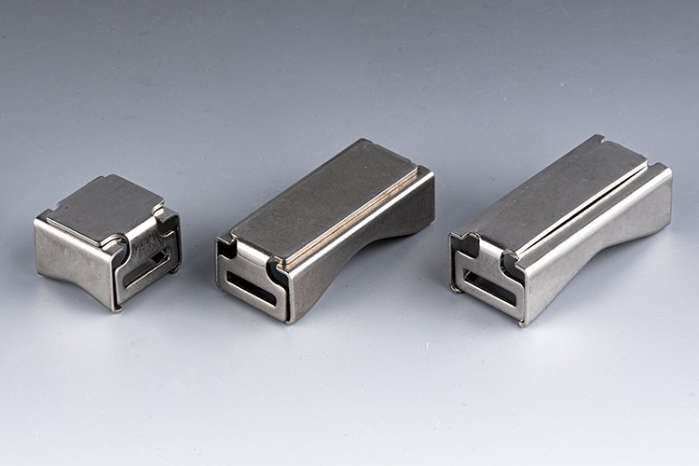
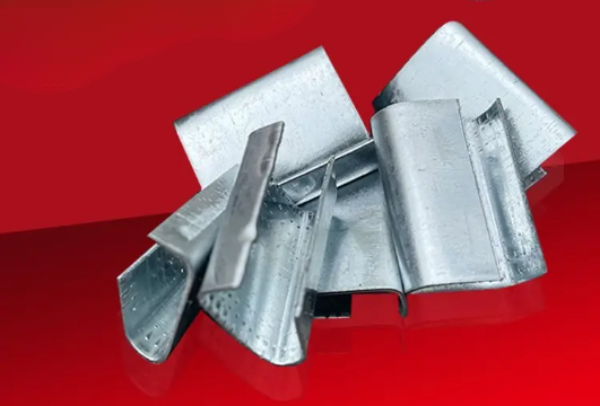
We supply strapping seals and buckles.
02
Strapping system support
We supply PET strapping with supporting consumables and equipment.
03
Equipment coverage
We supply manual, semi-automatic and fully automatic strapping machines.
04
Review support
Our professional sales and technical team routes application and quotation inputs.
Regulatory Review
Function and Regulatory Layer Check
“Packaging buckle” is a purchasing label, not a complete description of how the strap system functions. A buckle alone cannot secure unidentified cargo, and ASTM D3950-23 covers nonmetallic strapping and joining methods used for closing, reinforcing, bundling, unitizing, palletizing and vehicle-load bracing, so more than one function may apply.
- Closing, reinforcing or bundling a package
- Unitizing products for in-plant or distribution handling
- Palletizing goods without a separate regulated function
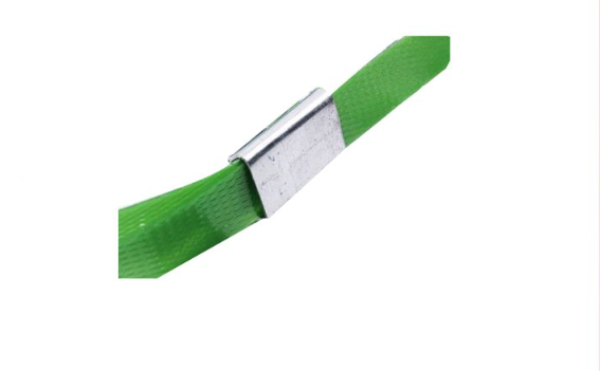
- Vehicle bracing, tiedown or cargo-securement function
- Regulated hazardous-material package component
- Overpack securement or permanent pallet attachment
- Unknown, mixed or overlapping functions
Select every function that the strap system performs. Any vehicle-securement, hazardous-material or unknown state stops the ordinary configuration matrix and moves to the applicable jurisdiction, approved design and qualified-review path.
United States cargo-securement rules are one boundary example, not a universal approval route. This page does not calculate tiedown working load, tiedown count or compliance from a buckle description.
Application Inputs for Industrial Packaging
A sound review starts with the package and route, then works backward to the strap buckle and tool. The same nominal strap width can appear with different material specifications, constructions, tension-control methods, edges and handling exposures.[2]
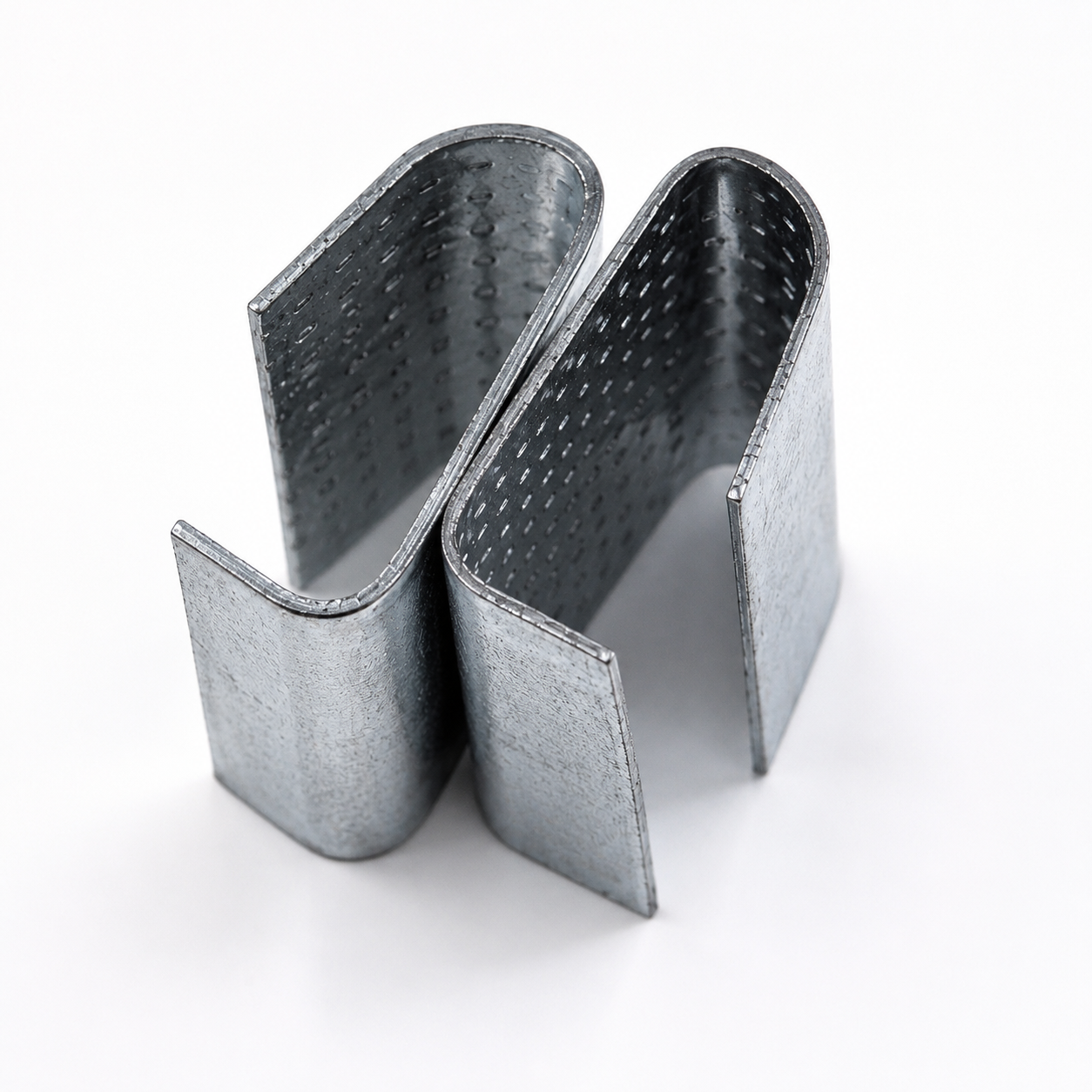
- 01Actual function or functions
- 02Package or load description
- 03Mass, dimensions and center of gravity
- 04Edges, corner protection and contact surfaces
- 05Strap material, grade, width and thickness
- 06Existing strap product data
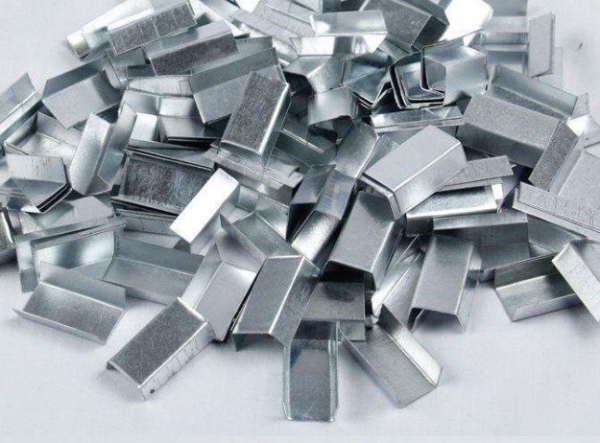
- 07Exact buckle design or model
- 08Tool and tension-control method
- 09Number and path of straps
- 10Storage and weather exposure
- 11Handling and shipping route
- 12Carrier, customer and test requirements
“We review the strap, buckle, tool, package and route as one system before confirming a configuration.”
— UD Packaging Technical Team
Buckle and Strap Configuration Matrix
Nominal strap width may be the same while the buckle form, strap construction or application method remains undocumented or unverified. The matrix shows what is known, what requires evidence and where a stop condition appears.[2]
| Review field | Input to provide | Evidence or decision needed |
|---|---|---|
| 1. Actual function | Closing, unitizing, palletizing, bracing, tiedown, regulated package or overpack | Ordinary route only when no regulated or overlapping function remains |
| 2. Strap identity | Material, grade or SKU, width, thickness and supplier data | Exact strap record, not a generic family description |
| 3. Buckle identity | Design, material, geometry, model and supplier | Exact buckle record and intended strap pairing |
| 4. Package geometry | Mass, dimensions, edges, friction, shear planes and corner protection | Application review on the actual package |
| 5. Application method | Hand use or tool model, strap path and tension control | Exact instructions and trained site procedure |
| 6. Distribution route | Handling, storage, carrier, distance, vibration and exposure | Applicable package and distribution validation |
| 7. Joint evidence | Method, configuration, criteria, date, scope and limits | Evidence class matched to the decision being made |
| 8. Commercial request | Quantity, destination, target date and document needs | Confirm with UD Packaging in the written quotation |
Where comparable labels stop
The risk is an apparently comparable quotation that cannot be reviewed because the strap construction, buckle geometry, tool method or evidence basis differs. UD Packaging normalizes these fields and records any ISO, carrier or customer test reference before configuration review; nominal width is not always enough, and the trade-off between faster quoting and missing evidence is handled by marking the field for confirmation.
Plastic and Wire Buckle System Categories
Plastic buckles, wire buckles and other strapping closures are market categories, not interchangeable performance designations. Start with the exact plastic strap, polypropylene strapping, cord strapping or other strap product already in use, then match the buckle evidence and application method.[1] If the reviewed system uses polyester strap, compare the live PET strapping product scope before asking for buckle compatibility; the strap page owns strap specifications, while this page owns buckle configuration.

Plastic buckle route
Record the exact plastic buckle design, compatible strap statement, width and intended application. Do not infer compatibility with PET or polypropylene from appearance alone.
Wire buckle route
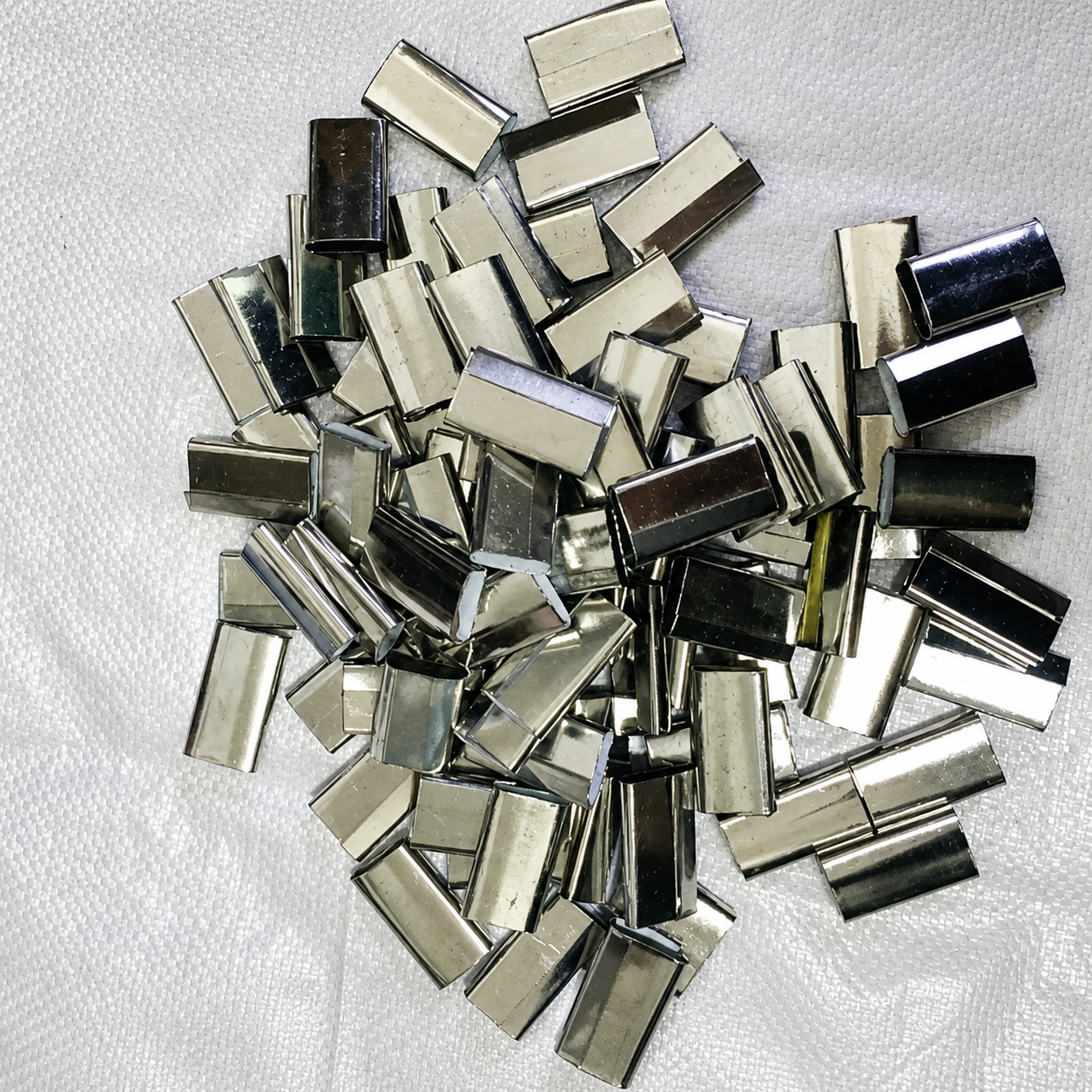
Record wire construction, coating, geometry, compatible strap and tool method. A steel component does not by itself establish joint strength or cargo-securement capacity.
Other closure route
Seals, sealless joints and specialized closures follow their own strap, tool and joint requirements. Keep them outside a buckle comparison unless the exact system is identified.
- Poly strapping buckles
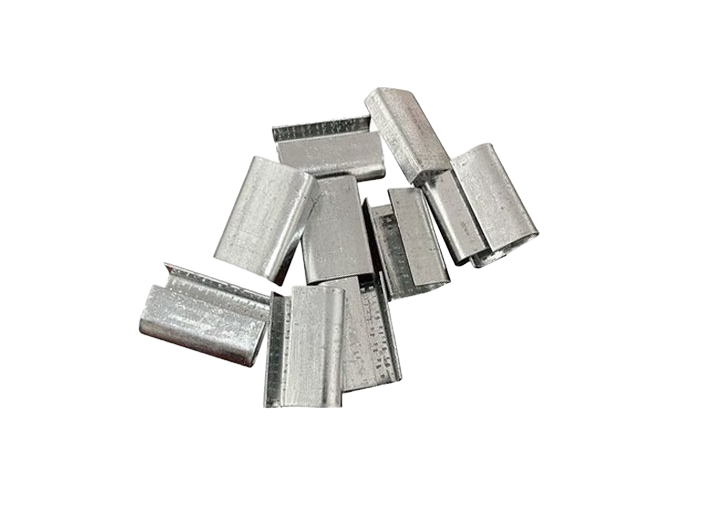
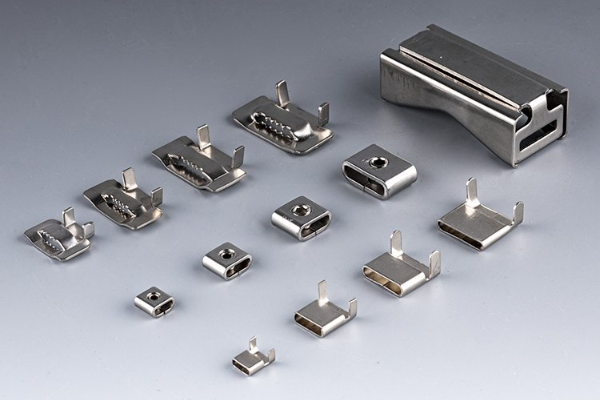
- Wire buckles for strapping
- Plastic buckles for poly strapping
- Polypropylene strapping buckles
- Cord strapping buckles
- Pallet strapping buckles
These phrases help route an enquiry, but they do not replace the exact strap, buckle, tool and application record.
Treating a nominal label as a compatibility finding is the wrong call. Product availability is confirmed after review, and no buckle material, width range, load rating, joint efficiency, pack quantity or certificate is published here without an exact UD product record.
Buckle Procurement Input Normalizer
Price depends on the exact buckle-and-strap pairing, quantity, destination, evidence requirement and delivery target rather than a generic product label.
ASTM D4675-14a(2022) supports keeping technical selection inputs explicit; commercial fields remain UD Packaging quotation items.[2]
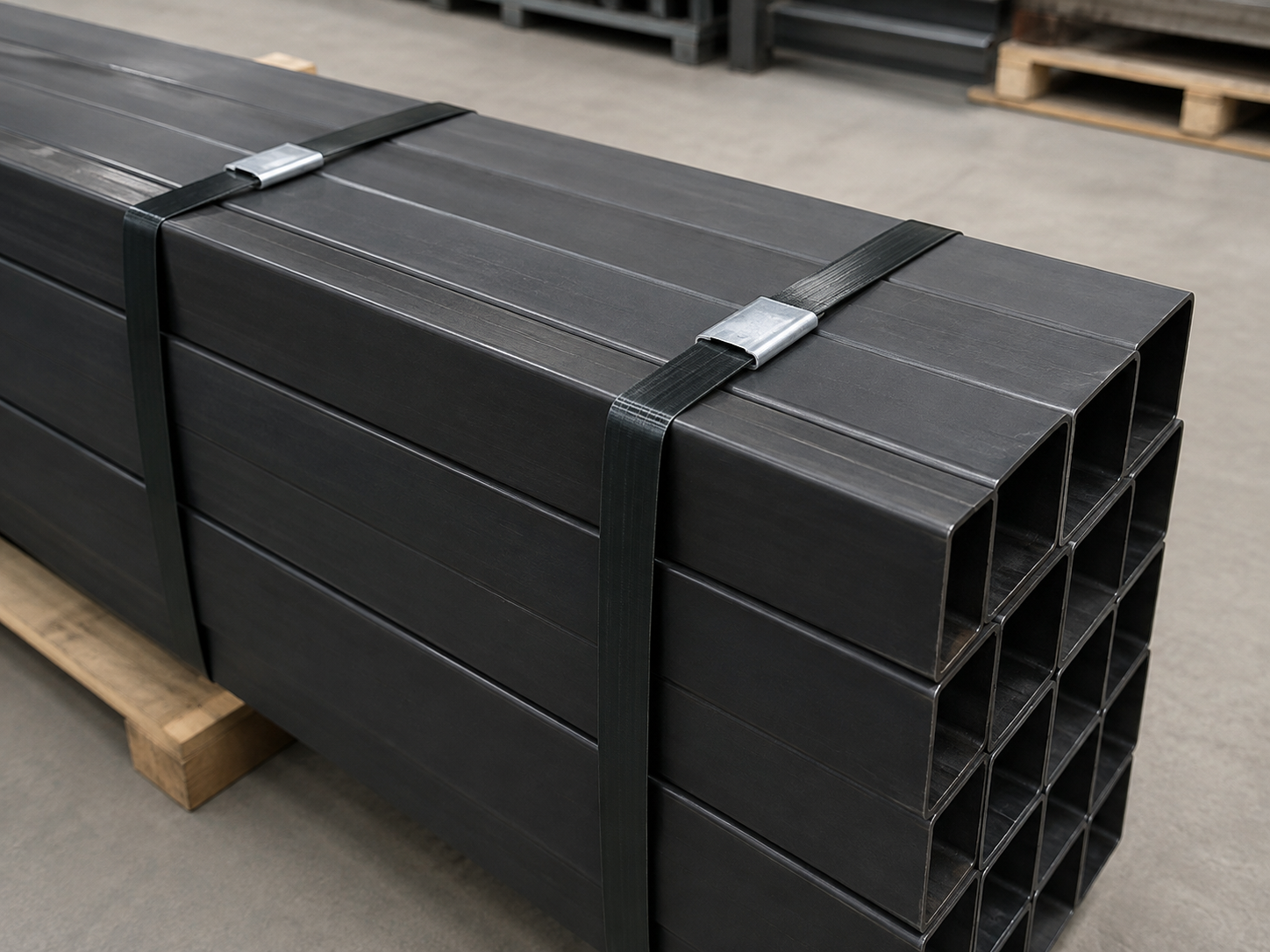

Technical and route fields
- Strap and buckle identity
- Package, load and actual functions
- Tool and operating method
- Handling, storage and shipping route
- Test, carrier and document requirements
Commercial fields
- Required quantity and packaging preference
- Destination country and delivery point
- Target date
- Sample or evaluation request
- Quotation currency and requested terms
Joint Evidence and Validation Gate
A quick pull can reveal an obvious setup or handling issue, but it does not demonstrate joint strength, retained tension, carrier acceptance or shipping performance. Each evidence layer answers a different decision; a lower-level check does not replace a higher-level requirement.
| Evidence layer | What to record | What it does not prove by itself |
|---|---|---|
| Component record | Exact strap and buckle identity, supplier and applicable specifications | The completed joint on the actual package |
| Joint test | Method, specimens, configuration, criteria, date and result | Distribution performance outside the tested scope |
| Screening integrity | Screening method and observed failure mode | Predictive shipping performance |
| Distribution simulation | Test series, package configuration, hazards and acceptance criteria | Untested routes, loads or configurations |
| Regulated package review | Approved design, closure instructions, markings and qualified review | Approval from generic joint or transport testing |
Fields awaiting confirmation
Pack quantity, minimum order quantity, price, sample policy, lead time, payment terms, shipping terms and document package are confirmed by UD Packaging for the reviewed request.
Hazardous-Material Review
PHMSA interpretation 20-0076 illustrates why hazardous-material pallet strapping needs exact configuration language: strapping may create an overpack, while permanent attachment may create a new design type that needs further testing.[4]
Controlled Application and Safety Boundaries
How to use plastic buckles cannot be answered safely without the exact buckle, plastic strap and tool instructions. Do not substitute a generic video, a YouTube demonstration or a familiar threading pattern for the product instructions and trained site procedure.
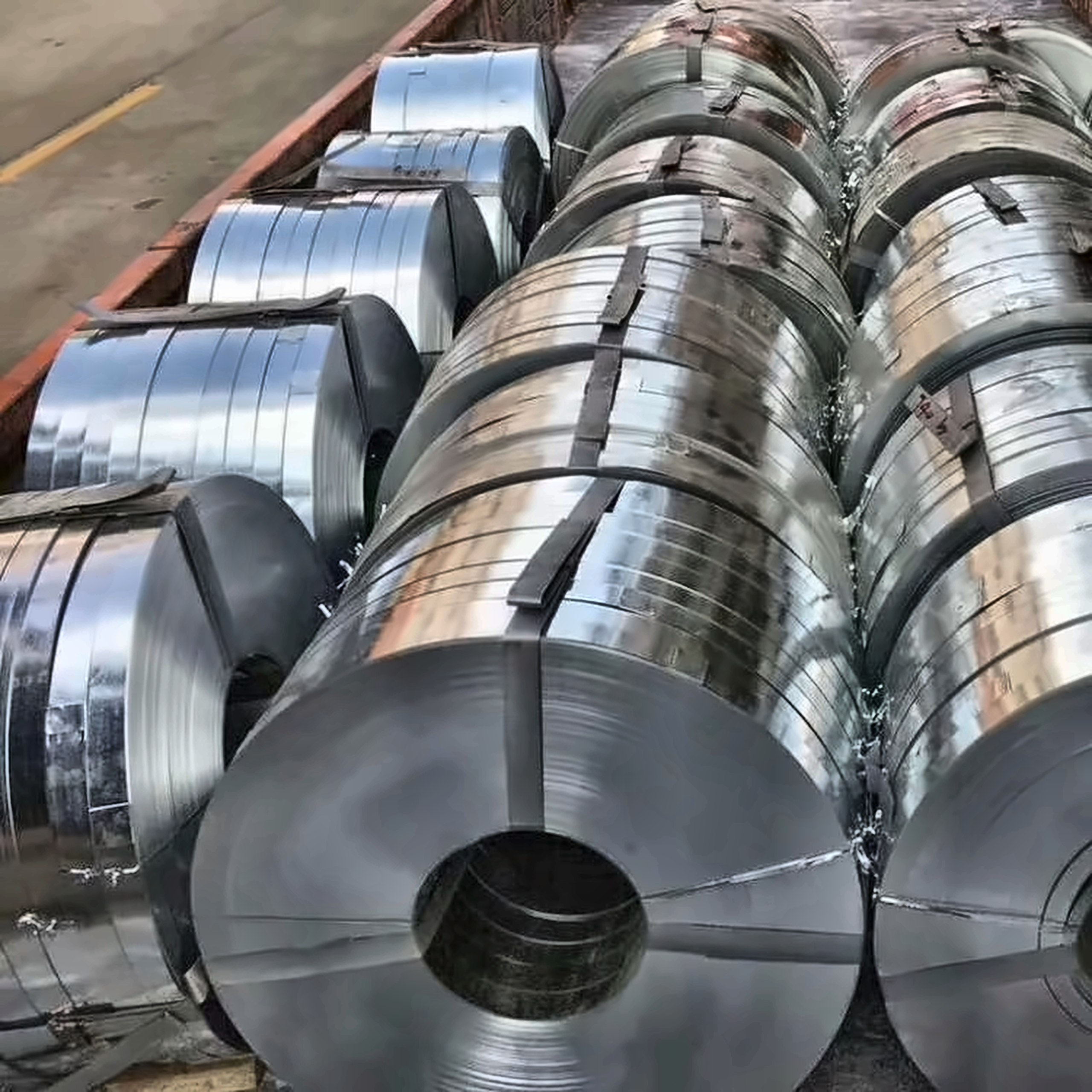
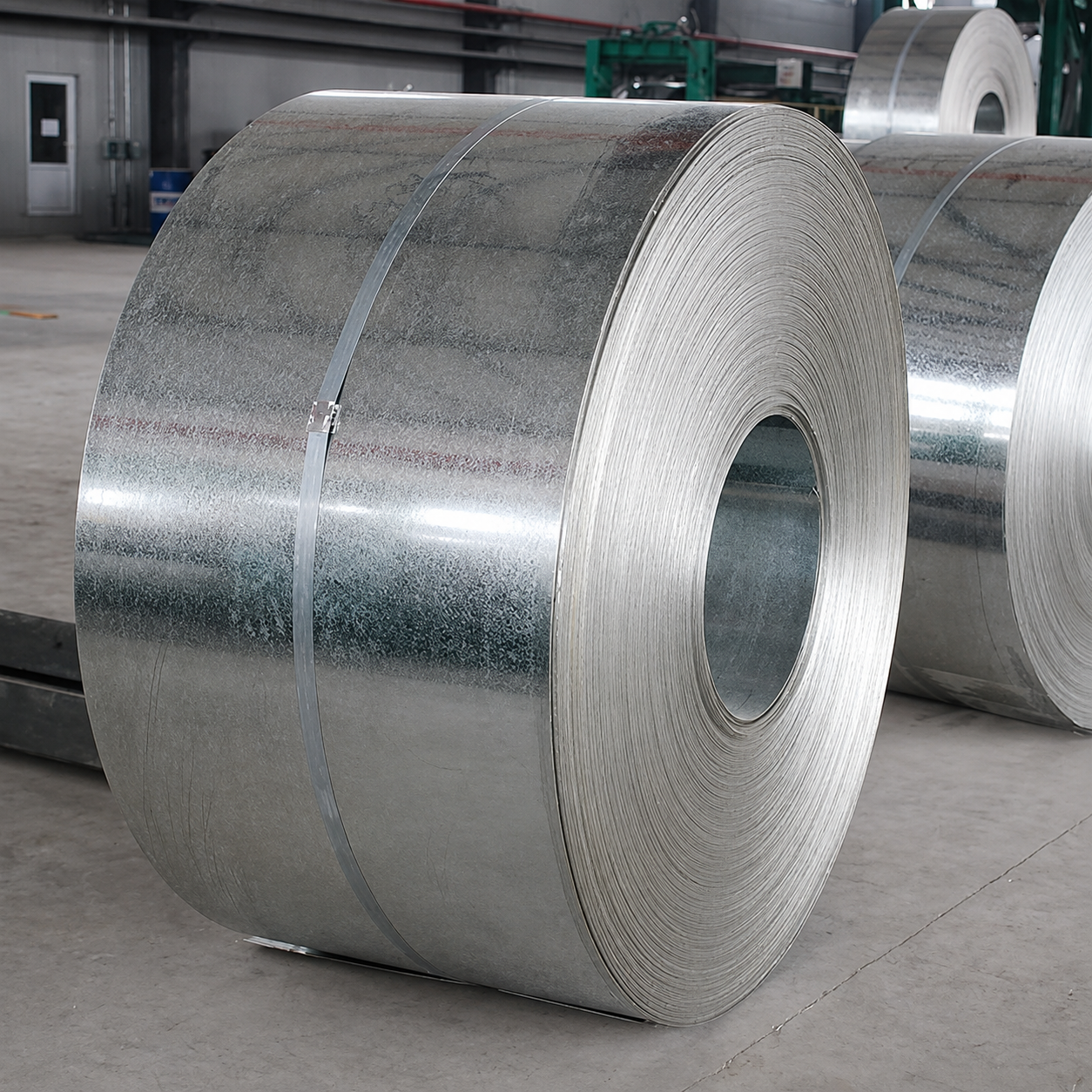
Confirm the strap, buckle and tool before tension is applied.
Stop when vehicle securement, regulated packaging or an unknown overlap appears.
Follow the exact manufacturer information and your trained operating procedure.
Keep people away from the potential recoil path and stop on damage, mismatch or uncertain routing.
Inspect the package, joint and surrounding work area before movement.
No universal tension setting
This page does not publish a tension number, threading diagram or cutting method for an unidentified product. Those controls belong to the exact system and site procedure.
Safety source boundary
The OSHA guidance cited in References addresses stored-tension and band-removal hazards, not a universal buckle threading method.[5]
Procedure / Checklist
Application, Pre-Release, and Controlled Removal Checklist
The safety and quality boundary continues after installation. Use a controlled checklist through handling, unloading, unpacking and strap removal so stored tension and nearby-worker exposure remain visible.[5]
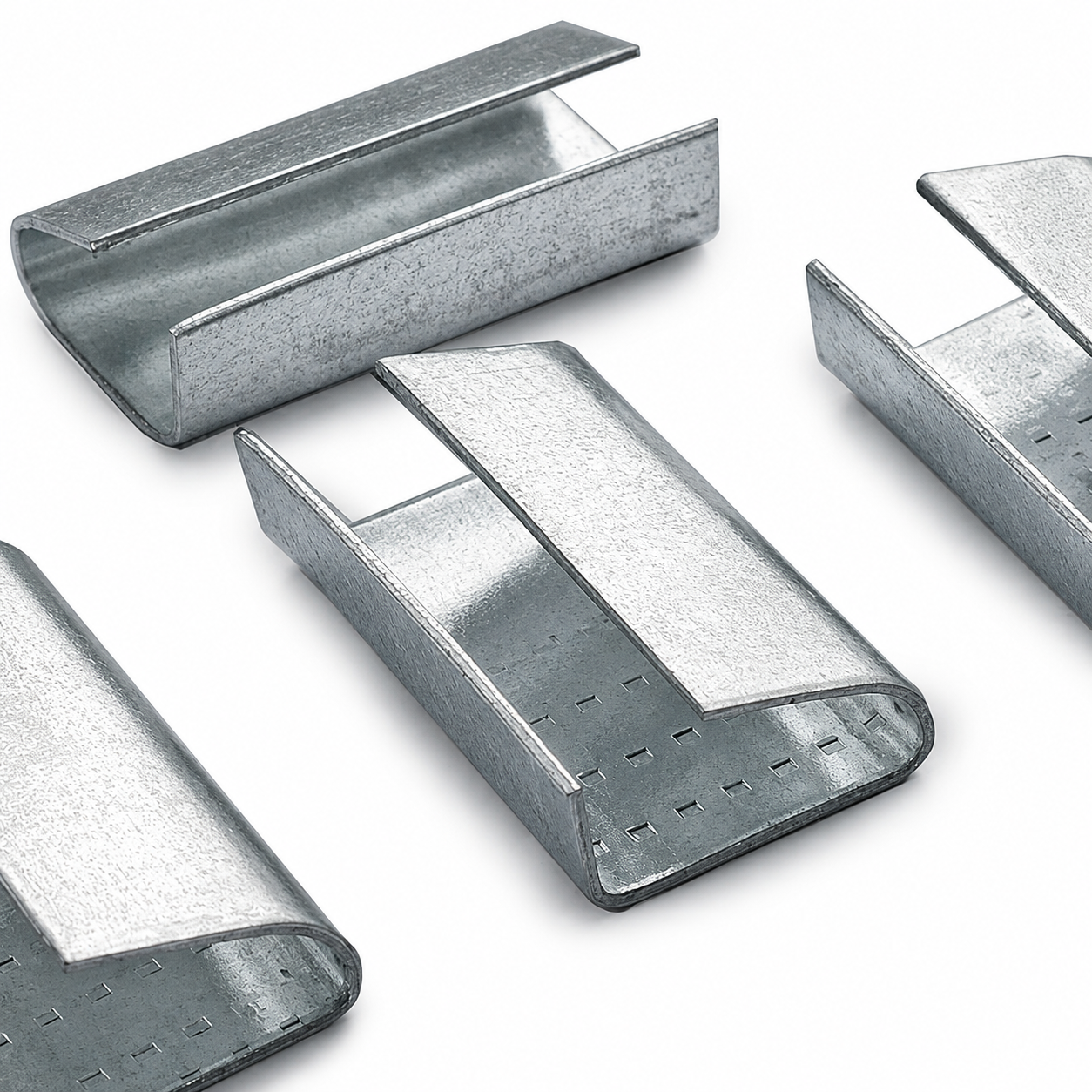
Before release or movement
- Exact strap, buckle and tool identified
- Thread path checked against controlled instructions
- No cut, split, abrasion or deformation observed
- Edges and corner protection remain in position
- Package geometry and strap path match the reviewed configuration
- Required evidence and acceptance record are complete
Before unloading or removal
- Load is stable without relying on the strap being removed
- Stored tension and potential recoil path are identified
- Nearby people are outside the release area
- The site’s controlled removal procedure is available
- Damaged or uncertain systems are escalated before release
- Removed strap and buckles are handled under site waste controls
UD Packaging Support Scope
UD Packaging is an integrated industry and trade enterprise in plastic packaging materials with a manufacturing base in Jiangyin, Wuxi, Jiangsu Province. We bring more than a decade in industrial packaging and operate automated production lines for PET strapping.
Strapping supply chain
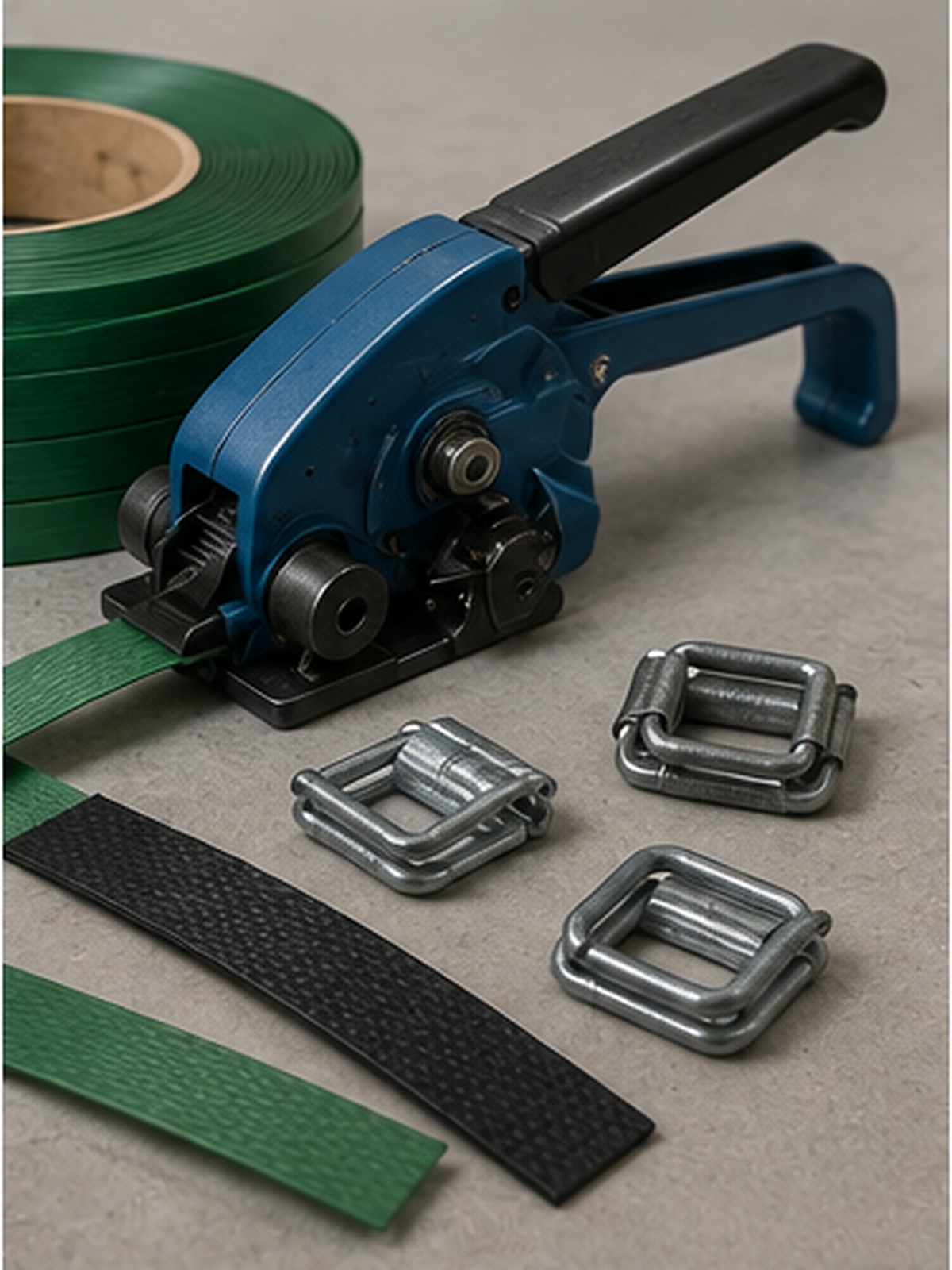
We manage PET granulation to finished strapping and supply strapping seals and buckles as supporting consumables. Buckle configuration is confirmed at the exact product and application level; ASTM D3950-23 describes the broader nonmetallic strapping and joining-method scope, not a UD product approval.
Equipment and technical routing
We supply manual strapping machines, semi-automatic strapping machines and fully automatic strapping machines. Our professional sales and technical team supports industrial packaging for medium- and heavy-duty goods.
Application, Carrier, and Distribution Context
The package, pallet and containment method work together as a unit load. When the package, handling route or regulatory layer changes, the buckle review changes too. Re-open the review after any material, package, tool, strap path, carrier, storage or destination change.[3][4]
| Situation | Why ordinary selection stops | Next route |
|---|---|---|
| Vehicle tiedown or load-bracing function | Packaging unitization may overlap with cargo-securement duties | Applicable-jurisdiction and qualified securement review |
| Hazardous-material tested package | The strap or buckle may be part of an approved design or closure instruction | Approved design and qualified compliance review |
| Pallet overpack or permanent attachment | Those configurations can carry different testing and marking consequences | Classify the exact configuration before proceeding |
| Unknown strap, buckle or tool | A nominal width or visual match cannot establish the system | Identify the exact products or request samples and records |
| New package or distribution route | Edges, friction, vibration, exposure and handling hazards may change | Repeat application and validation review |
Strapping Buckles Engineering Tools
Buckle and Strap Configuration Matrix
Calculate and match precise strap dimensions with optimal buckle specifications to ensure maximum load security.
Threading Direction and Slip-Check Readiness
Validate proper webbing paths and verify slip-resistance thresholds to meet international safety compliance.
Buckle Procurement Input Normalizer
Standardize bulk procurement parameters for manufacturing precision and accelerated global supply chain delivery.
Strapping Buckles FAQ
No. Treat plastic and wire buckle labels as category names, then confirm the exact strap material, width, buckle design, tool method and application evidence.
Do not infer that pairing from material names or appearance. Send the exact plastic buckle and PET strap records to UD Packaging for application review.
Use the instructions for the exact buckle, strap and tool, together with your trained site procedure. A generic video can help identify questions, but it is not a substitute for the controlled instruction.
First identify the exact buckle, strap and tool, then follow their controlled instructions and the trained site procedure. Stop when the system identity, thread path or safety controls are uncertain.
No. It is a process check only; joint evidence must name the method, configuration, acceptance criteria, date, scope and limits.
No. Those records apply to PET strapping samples; a buckle or completed joint needs its own exact product and test record.
This page does not make that determination. Any tiedown, vehicle-bracing or overlapping function moves to the applicable cargo-securement and qualified-review route.[3]
Only the approved design and exact configuration can answer that question. Separate a tested-package component from overpack securement and permanent attachment before review.
Send the strap and buckle identity, application, package or load, tool method, quantity, destination, target date and required evidence. UD Packaging confirms the remaining product and commercial fields in the quotation.
Re-open the review after a change to the strap, buckle, tool, package, strap path, corner protection, carrier, route, storage or exposure condition.