Get in touch with UD Packaging Company

Strapping Accessories for Industrial Packaging Systems
Strapping accessories work as part of a system, so the useful starting point is the strap, closure route, tool and package—not a loose product name. UD Packaging supplies strapping buckles and seals and helps buyers organize those inputs before the enquiry moves to the correct product family.
Check Accessory Fit
No price, stock, delivery or universal compatibility promise is created by this category screen; the written quotation carries the reviewed order basis.
How We Work: One Enquiry Across the Strapping System
Closure families
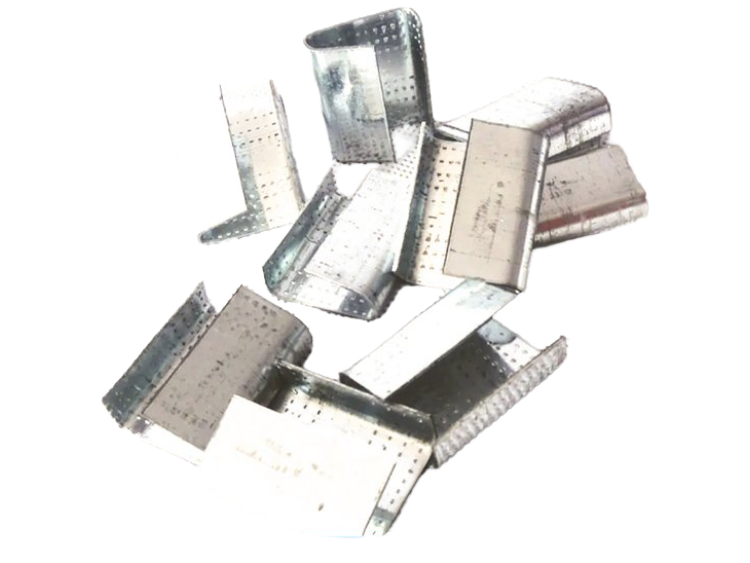
We supply strapping buckles and seals.
Adjacent strap supply
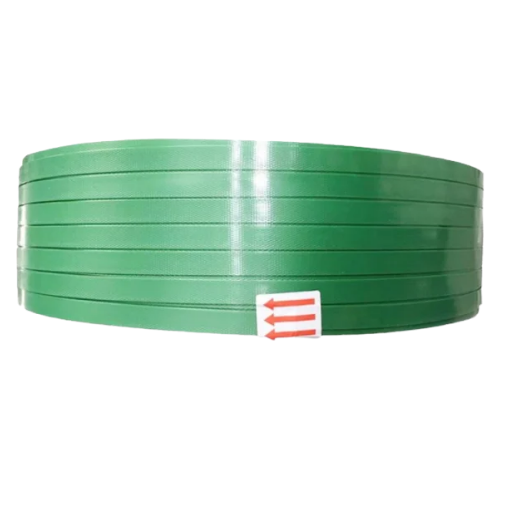
We also supply PET strapping.
Equipment range
We supply manual, semi-automatic and fully automatic strapping machines.
Application support
A professional sales and technical team supports each enquiry.
How We Work: Strapping Buckles and Strapping Seals
Strapping seals and buckles share a parent category, but the seal and buckle routes stay separate before detailed product review. Each card leads to a dedicated child page, keeping buckle selection, strapping seal selection and strapping tool intent on the right owner page.
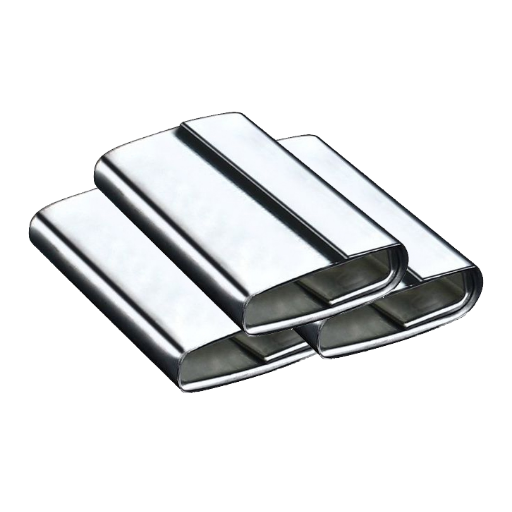
Strapping Buckles
Choose this route when the current or intended system uses a buckle-based closure. Send the strap identity, nominal width, buckle description or photo, application method and any tensioner or tool information.
- Best starting evidence: current strap and buckle markings
- Route question: how the strap is threaded and tensioned
- Next decision: exact product review on the buckle page
Strapping Seals
Choose this route when the system uses a formed seal or another seal-based joint. Send the strap material, width, seal style, application method and the current sealer, jaw or machine details.
- Best starting evidence: current strap, seal and tool labels
- Route question: how the closure is formed on the strap
- Next decision: exact product review on the seal page
The Five-Part Accessory Selection Chain
Matching width is only one field. System review connects the strap, closure, tool, package and handling route, because changing any one of them can change the evidence needed before release.
1 Strap
Material family, width, thickness or profile, surface and current marking.
2 Closure
Buckle, seal, sealless route, existing accessory or unknown joint family.
3 Tool
Manual method, tensioner, sealer, jaw, machine model or available photo.
4 Package
Carton, pallet, bundle or heavy-duty load, including contact points and edges.
5 Handling
In-plant movement, storage, destination, route and buyer acceptance method.
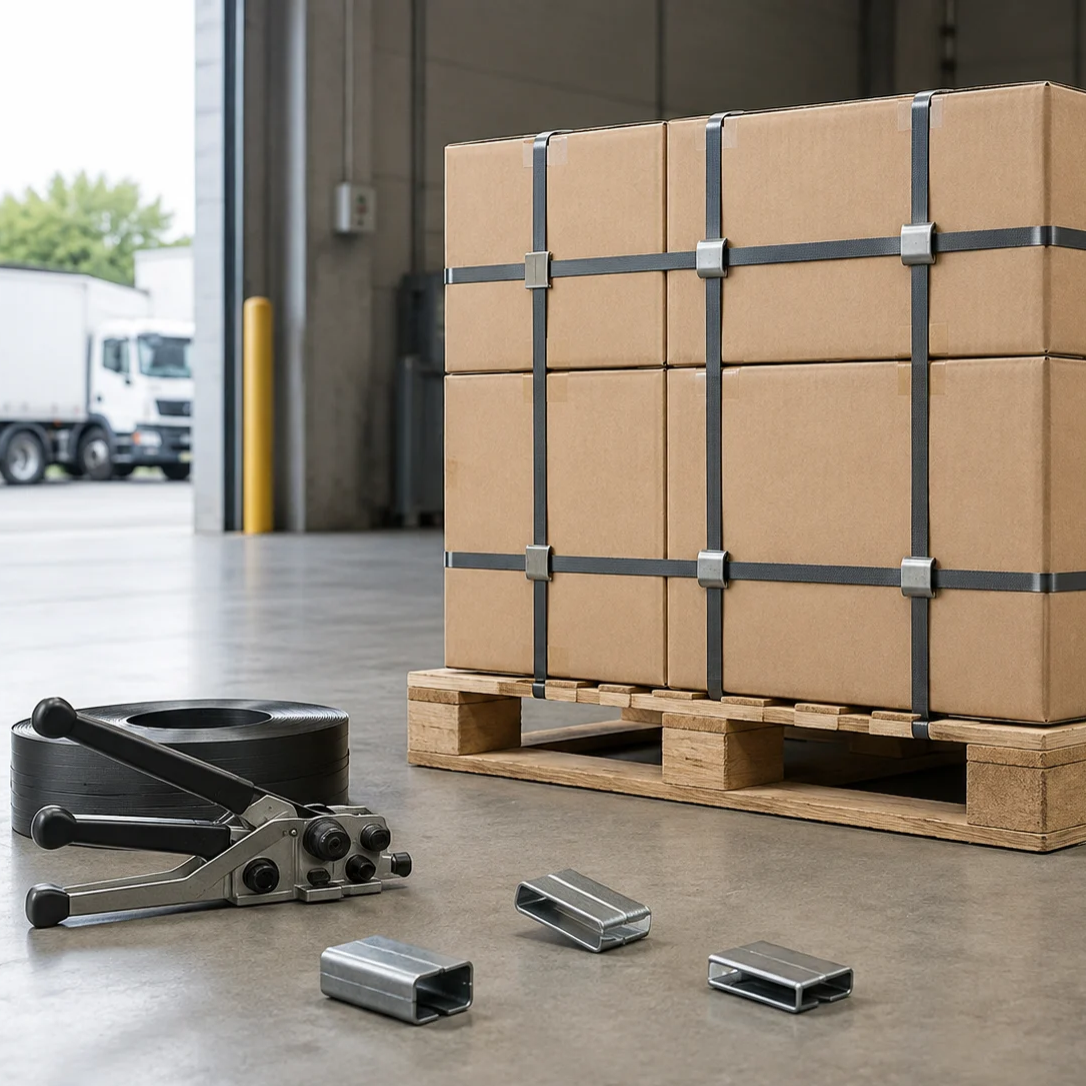
Why this sequence matters
Joint looseness does not identify one root cause by itself; strap condition, closure geometry, tool setup and load settling remain connected. ASTM D4675-14a(2022) also frames flat-strapping selection around the wider application rather than a single component label.
Accessory Route Comparison Before Product Review
Mismatch risk grows because a closure is reviewed inside the strap, tool and package system. UD Packaging uses ASTM D4675-14a(2022) as an application-level selection reference; the buyer’s acceptance method still controls release.
| Decision field | Buckle route | Seal route | Buyer evidence |
|---|---|---|---|
| Closure identity | Buckle name, shape, marking or photo | Seal name, style, marking or photo | Current product label or clear joint image |
| Strap reference | Material, width and construction | Material, width, thickness and surface where known | Strap label, specification or measured dimensions |
| Application method | Threading and tensioning route | Forming, crimping, notching or machine route | Written method plus tool or machine information |
| Equipment context | Tensioner or manual application detail | Sealer, jaw or strapping machine detail | Model, plate, jaw profile or equipment photo |
| Validation focus | Thread path, seating and buyer test record | Formed joint, tool condition and buyer test record | Method, pass condition, owner and result |
| Commercial handoff | Buckle child page and written enquiry | Seal child page and written enquiry | Quantity, destination and requested order basis |
Accessory RFQ Input Matrix for Quoting
This table records buyer inputs rather than UD Packaging product specifications. Sending the fields together makes offers easier to compare and reduces the chance that a generic banding kit label hides a different strap, closure or tool basis.
| RFQ field | What to send | Decision it supports |
|---|---|---|
| 1. Strap material | PET or polyester strapping, polypropylene, steel strap, cord, or the current marking | Separates the base strapping route. |
| 2. Strap dimensions | Nominal width, actual width and thickness or profile where available | Creates a shared dimensional reference. |
| 3. Current closure | Buckle, strapping seal, sealless joint, unknown, or a clear photo | Routes the request to the correct product family. |
| 4. Tool or machine | Tensioner, sealer, jaw, machine model, label or image | Connects the accessory to the application method. |
| 5. Package or pallet | Load description, geometry, contact surface, edges and strap path | Defines where the system works and what it contacts. |
| 6. Handling route | Movement, storage, destination and known environmental exposure | Places the review in the real distribution context. |
| 7. Required quantity | Trial, project or recurring demand and preferred pack split | Creates the commercial basis without inventing a minimum order. |
| 8. Validation plan | Test owner, method, pass condition and record required | Turns a candidate into a controlled buyer decision. |
| 9. Documentation | Product identification, order specification and any buyer-required evidence | Keeps the approved combination tied to the purchase record. |
Pricing and Quotation Basis
Accessory pricing follows the reviewed product route, dimensions, quantity, pack basis, destination and evidence request. Your written quotation fixes the candidate product and commercial terms for the enquiry.
| Quote driver | Why it changes the offer | How to keep offers comparable |
|---|---|---|
| Product identity | Different buckle and seal families carry different order bases. | Use a part reference, label or photo instead of a generic accessory name. |
| Strap and tool context | The same closure label can sit inside different systems. | Attach the strap details and equipment information to every supplier request. |
| Quantity and packing | Trial demand and recurring supply need different packing discussions. | State the demand type and preferred delivery split. |
| Destination and documents | Delivery point and evidence requests change the quotation scope. | Ask every bidder to quote against the same destination and document list. |
Missing commercial fields
Minimum order, stock, delivery timing, sample terms, payment terms and shipping basis are not inferred on this page. Add the known inputs to the enquiry, then use the returned quotation as the controlled comparison record.
Quality Assurance: Candidate Validation Before the Order Basis Is Locked
A sample or visual match is an input to evaluation, not proof for every load or tool. The buyer’s validation record should name the exact combination and the acceptance method used for the intended package.
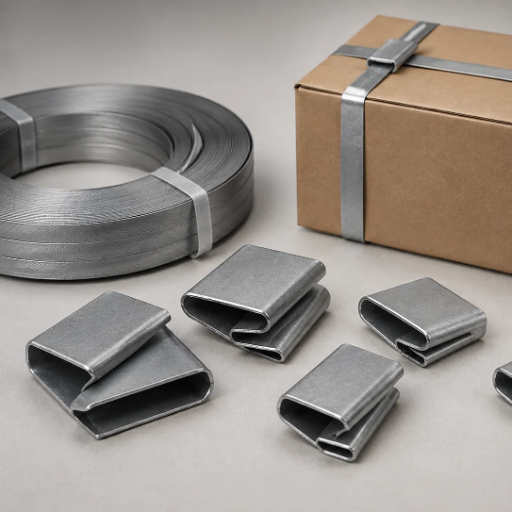
Validation Steps
- Identify the combination. Record the strap, buckle or seal, tool and package being reviewed.
- Write the method. Define how the candidate is applied, conditioned, handled and inspected.
- Set the pass condition. Name the buyer, quality or operations owner who accepts the result.
- Preserve the record. Tie the accepted product and test basis to the order specification.
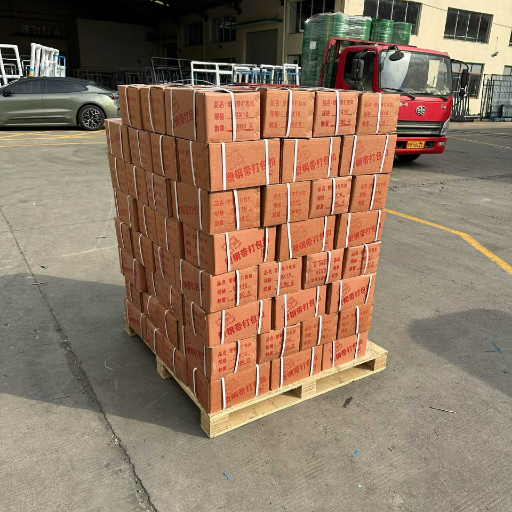
Evidence ladder
- Identification proves which product was reviewed.
- A formed-joint or threading check proves that the stated method was followed.
- A buyer-owned application test supports release for the stated package conditions.
- A generic product name alone proves none of those steps.
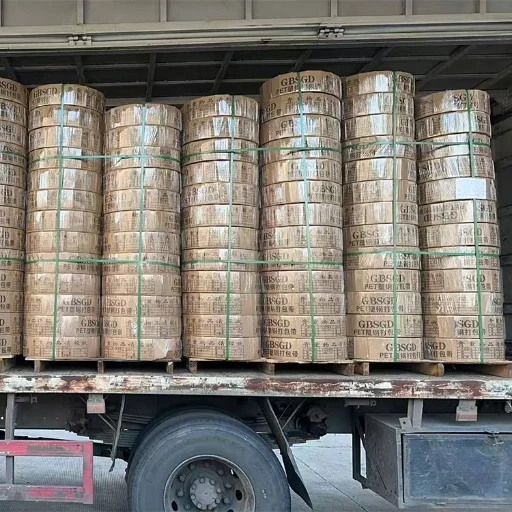
From Enquiry to a Written Accessory Order Basis
- Send the known inputs. Start with the strap, closure, tool, package, quantity and destination information already available.
- Route the product family. Move the request to the strapping buckles or strapping seals path.
- Close the information gaps. The sales and technical team identifies the details needed before a candidate is quoted.
- Review the candidate. Use the buyer’s written method and acceptance record for the actual combination.
- Confirm the order basis. Keep the product identity, quantity, packing, commercial terms and required documents in writing.
How We Work: Packaging Coordination Beyond the Closure
UD Packaging provides one-stop industrial packaging procurement, with the accessory enquiry connected to adjacent strap, film and equipment categories. We configure packaging solutions around the buyer’s application.
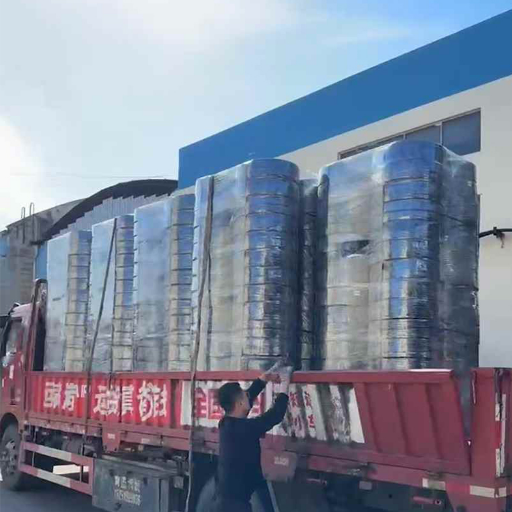
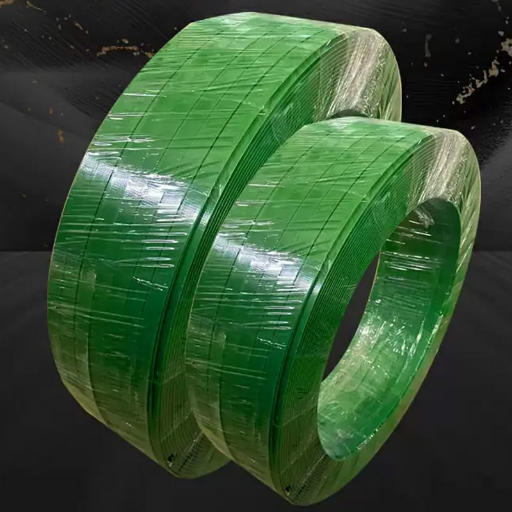
Strap and closure
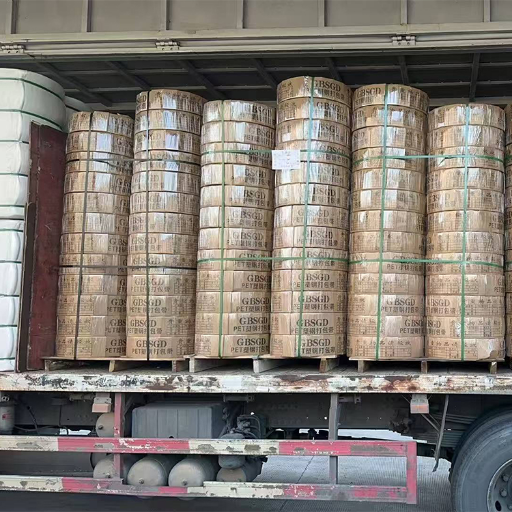
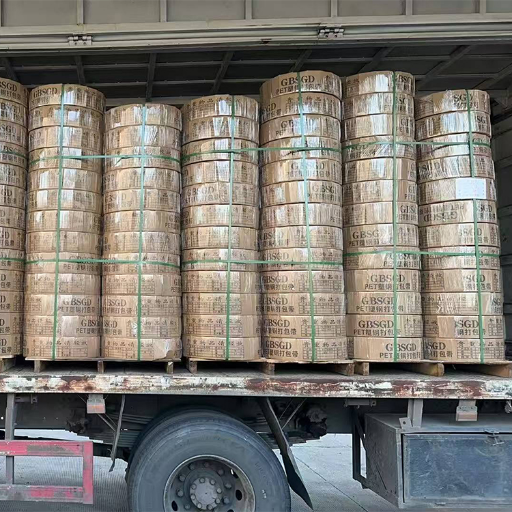
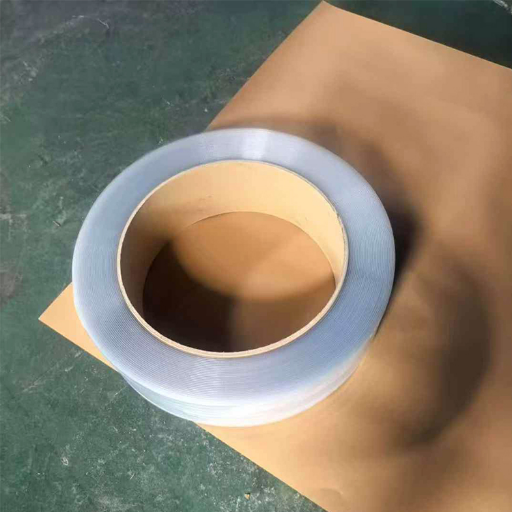
UD Packaging also supplies PET strapping, while buckles and seals remain separate product-review routes.
Load protection
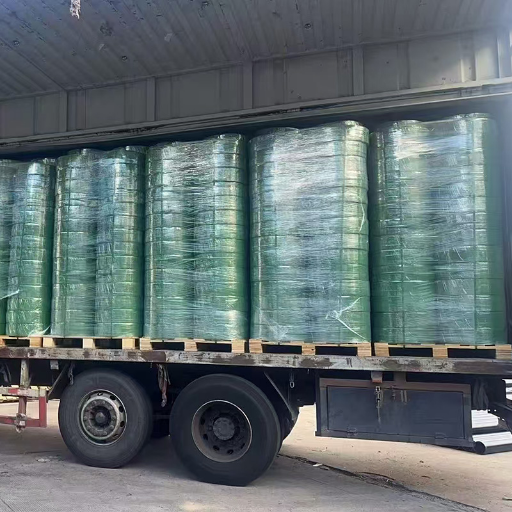
Industrial stretch film is available from the UD Packaging supply team.
Equipment context
Manual, semi-automatic and fully automatic strapping machines can enter the wider supply discussion.
Company and market coverage
- UD Packaging is an integrated industry and trade enterprise.
- Our production base is in Jiangyin, Wuxi, Jiangsu, China.
- We support industrial packaging enquiries across metals, new energy, building materials, wood, paper, textiles, agriculture, food, electronics and tobacco.
Engineering & Procurement Tools
FAQ: Strapping Accessories
Do I need a buckle or a seal?
Start with the current closure and application method. A buckle route and a formed-seal route use different product and tool inputs, so the parent page sends each enquiry to its own child family.
Is a matching strap width enough to choose the accessory?
No. Material, thickness or profile, closure method, equipment, package and handling route still belong in the review.
What should I send when the accessory label is missing?
Send a clear photo, measured dimensions, strap marking, tool or jaw image and a description of how the joint is made. Those records narrow the route without treating visual similarity as proof.
Does the current tensioner or sealer matter?
Yes. The tool or machine is part of the system context, so include the model, label, jaw profile or photo when available.
Are PET and polypropylene strapping the same RFQ input?
No. State polyester or PET and polypropylene separately, because “poly” is too broad for a controlled product discussion.
What information belongs in a steel strapping enquiry?
Send the steel strap marking, width, thickness, closure style, joining method, tool and package context. Keep a steel route separate from plastic and cord strapping routes.
What makes supplier quotes comparable?
Give every supplier the same strap, closure, tool, package, quantity, destination, packing and document basis. Compare the written product identity and order scope, not a headline accessory price alone.
Does a sample prove compatibility for production use?
No. A candidate supports testing; the buyer still needs a written method, pass condition, responsible owner and record for the actual combination.
Can I source PET strapping, accessories and equipment together?
Yes. UD Packaging’s supply scope includes PET strapping, strapping accessories and manual, semi-automatic and fully automatic equipment, with exact products confirmed through the enquiry.
Can this page approve strapping for lifting or hoisting?
No. This category page serves packaging, bundling, unitizing and pallet enquiries; lifting requires a separately engineered and documented method.