Get in touch with UD Packaging Company

PET Strapping for Industrial Boxes | UD Packaging
Select a polyester strap as part of a complete box, joint, tool and distribution system—not from packed weight alone. UD Packaging screens the inputs that determine whether PET strapping is worth a package trial.
- Box construction, dimensions and packed mass
- Current plastic strap label or datasheet
- Strap layout, edge protection and closure
- Tool, sealing head or machine model
- Route, storage and handling hazards

8
Input groups
Package, load, joint, equipment and route facts feed the review.
4
Allowed outputs
PET candidate, alternative route, package test or next input.
3
System layers
Unitization, package testing and vehicle securement stay separate.
1
Written basis
Commercial terms and order details belong in the quotation.
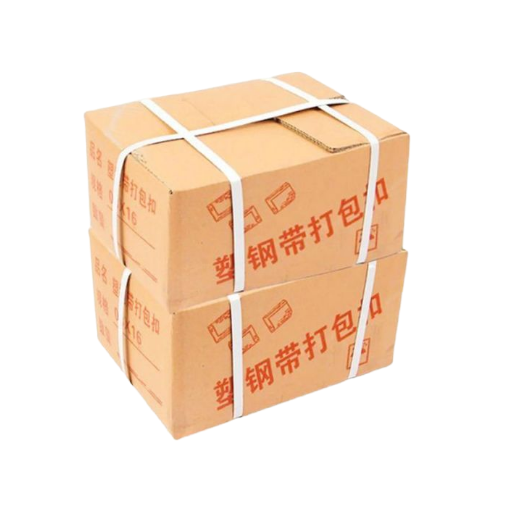
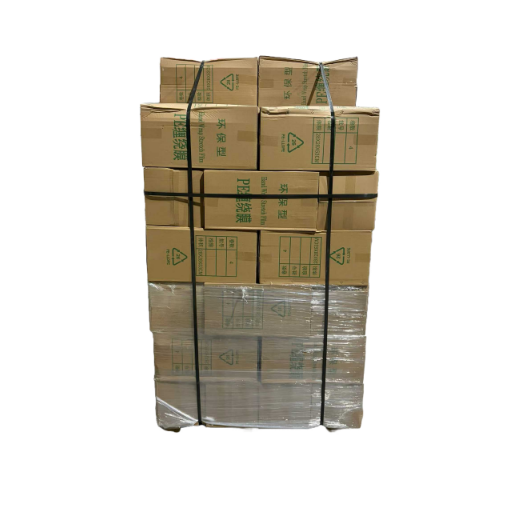
PET Strapping Capability for Industrial Boxes
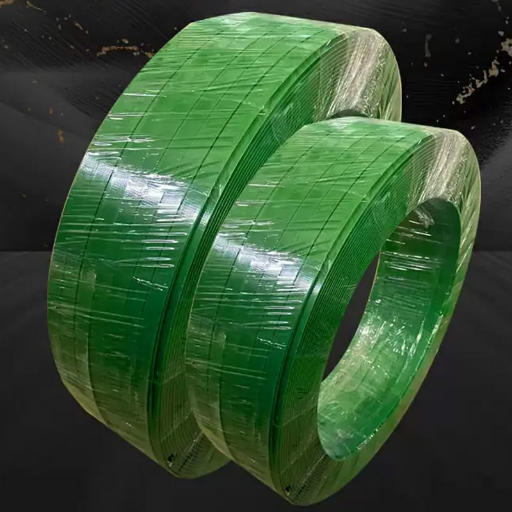
PET, short for polyethylene terephthalate, is one route within plastic strapping and is also called polyester strapping.1 We supply PET strapping for industrial packaging and match the route to the filled box, bundle or pallet packaging system submitted by the buyer.
UD Packaging aligns strap, consumables and equipment around submitted application inputs. At our Jiangyin factory base, the PET chain runs from granulation to finished strapping.
“We do not select a strap from load weight alone. Box construction, joint method, strap path and distribution hazards change the decision.”
PET production chain
We cover the PET production chain from PET granulation to finished strapping.
1
2
Supporting materials
We supply industrial stretch film and we supply strapping seals for one-stop packaging procurement.
Equipment routes
We supply manual strapping machines, we supply semi-automatic strapping machines, and we supply fully automatic strapping machines.
3
4
Manufacturing base
Our manufacturing base is located in Jiangyin, Wuxi, Jiangsu Province.
Application support
Our sales and technical team can configure a packaging solution around the package, route and packing-method inputs you submit.
5
Hidden Cost and Failure Bottleneck Map
Bronze input model: record observed values from your process. Do not convert this sheet into a savings or payback claim without measured evidence.
Decision rule
- Use the same observation period and package scope for both routes.
- Separate strap price from joint, labor, downtime, package and test inputs.
- Flag missing evidence instead of entering a safe-looking estimate.
| System input | Current route | PET trial route | Evidence source | Owner |
|---|---|---|---|---|
| Strap consumed per package | Line count or issue record | |||
| Seal, buckle or weld input | Bill of material | |||
| Scrap and rework loops | Shift record | |||
| Tool setup and interruption | Production log | |||
| Operator handling time | Observed cycle | |||
| Edge protection and package changes | Packaging specification | |||
| Damage or load-shift events | Claims or quality record | |||
| Testing and retesting work | Test plan and report |
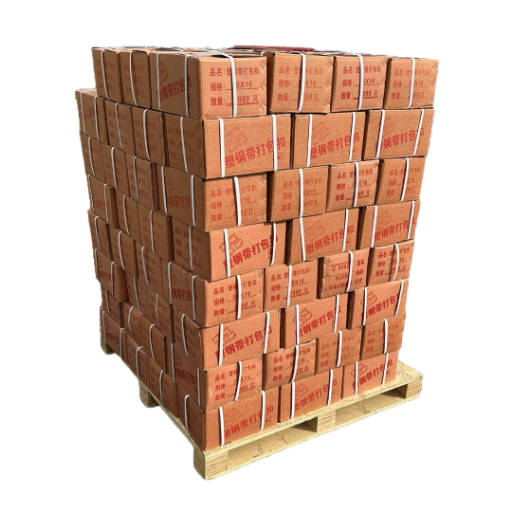
Normalize Configuration Inputs Before a Supplier Discussion
Use ASTM D4675 as a selection reference while the fields below separate provided, missing and unknown configuration inputs. The normalized record identifies what still needs supplier confirmation without generating an RFQ or implying commercial terms.
Record strap width in mm and thickness in mm, then state the test method and conditioning behind each result. This gives a supplier and procurement team a scenario that can be checked without converting a competitor value into a UD Packaging specification.
Record the actual pallet dimensions, deck layout and support conditions. Those inputs affect contact points, deflection and the strap path, so they cannot be inferred from a generic pallet label. If a buyer measures a loaded pallet at 1200 mm by 1000 mm, record both figures as buyer-provided inputs rather than treating either one as a default product specification.
Input
Buyer-provided requirement
Why it changes the decision
01 — Unit load
Total weight, dimensions, center of gravity and product sensitivity
Defines forces, compression risk and strap path.
02 — Pallet
Material, footprint, deck condition and support during handling
Changes edge contact, deflection and load transfer.
03 — Movement
Expected settling, lateral shift, vibration and impact
Shows whether banding needs complementary containment.
04 — Environment
Indoor/outdoor exposure, temperature, moisture and storage duration
Frames material conditioning and storage suitability.
05 — Strap path
Number and direction of bands, edge protectors and contact points
Controls force distribution and abrasion risk.
06 — Joint
Seal, buckle or welded joint and required joint evidence
Prevents nominal strap strength from masking the connection.
07 — Equipment
Tool or machine model, application mode, coil and core requirements
Determines feed, tension, seal and cut compatibility.
08 — Normalization status
Provided, missing, unknown and supplier-confirmation items
Keeps unresolved configuration inputs visible before a technical discussion.
PET Selection Boundaries for Box Unitization
The key differences between PET, PP and steel strapping should be read as conditions, not an unconditional ranking.2 PET may enter the review when consistent tension, long-term tension retention, heavy loads, a rust-sensitive environment or long distribution matter, while lighter loads may still justify a polypropylene route.
The trade-off is package-specific: material names are not interchangeable, and the highest available tension can be the wrong choice for a crush-sensitive edge. Unlike a universal ranking, this decision must be checked against the complete package and current equipment.
| Route under review | Conditions that support a review | Conditions that can redirect the choice | Next validation |
|---|---|---|---|
| PET strap | Tension over time, heavier loads, industrial handling or a polyester alternative to steel matters. | Box edges cannot tolerate the planned tension, or current tools are incompatible. | Joint, edge and filled-package trial. |
| PP strap | Lighter loads and short-cycle carton unitization may keep polypropylene strapping under review. | A PP strap route may change when greater tension retention or route hazards exceed the package-system basis. | Confirm the polypropylene material and joint with the supplier. |
| Steel strapping | Very rigid loads, sharp edges, temperature or an application rule may retain steel. | Corrosion, handling risk or package damage drives a plastic-route study. | Engineering and safety review. |
Some buyers use “poly strapping” as a broad label, but packaging needs must be translated into a specific material, joint and equipment basis before a trial.
Hidden Cost and Failure Bottleneck Map
Material and joint
- Strap consumed per pack
- Seal, buckle or weld input
- Scrap and rework loops
Line and labor
- Tool setup and compatibility
- Feed or jam interruptions
- Operator handling time
Package outcome
- Edge protection
- Damage or load shift records
- Test and retest work
This is a Bronze input model, not a savings promise. Compare observed inputs from a line trial or order history before claiming a lower system cost.
Equipment Compatibility and Safe Integration
Our compatibility screen documents the strap grade, surface, dimensions, core, feed path, tension setting, joint method and package presentation. A material designation alone cannot determine whether an existing tensioner, sealer or automated head will operate the strap.
Manual route
Record the strapping tensioner, cutter and buckle or seal arrangement.
Battery tool
Record the tool model, friction-weld settings and approved dimensional range.
Semi-automatic route
Record the table machine, core format, feed path and package presentation.
Fully automatic line
Record the head, line controls, strap path, package spacing and acceptance method.
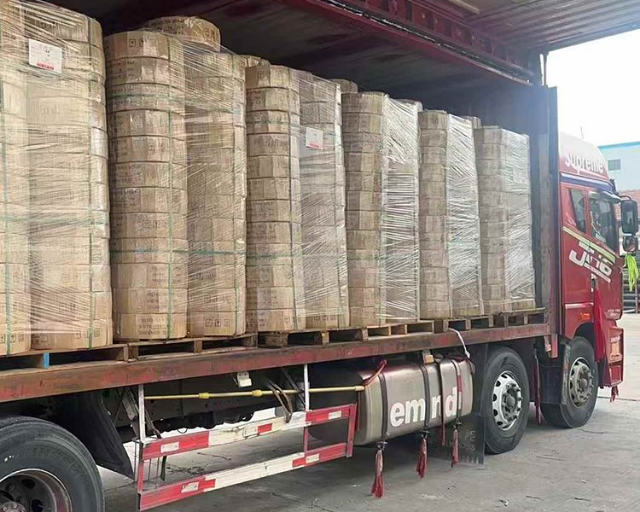
Six steps from enquiry to a written basis
-
Submit inputs
Share the package, current strap, tool and route facts.
-
Compatibility screen
Flag missing core, feed, dimension or joint information.
-
Select a route
Decide whether PET, an alternative or more evidence comes next.
-
Plan the trial
Define joint, line and filled-package acceptance checks.
-
Confirm in writing
Record the chosen specification and commercial terms.
-
Review changes
Revisit the package when materials, process or route changes.
Quality and Traceable Quote Inputs
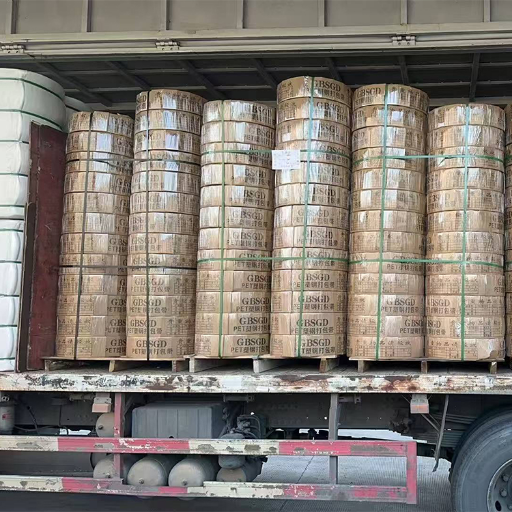
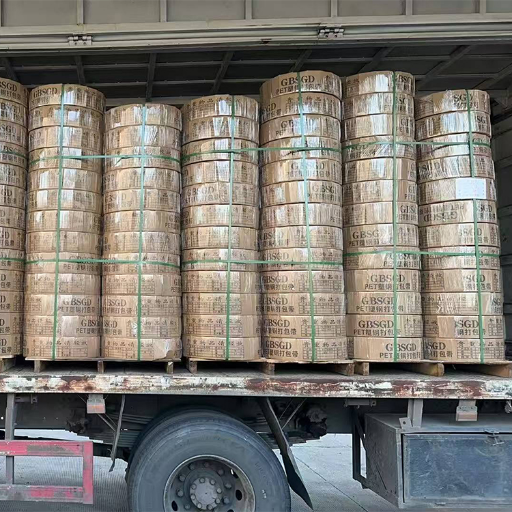
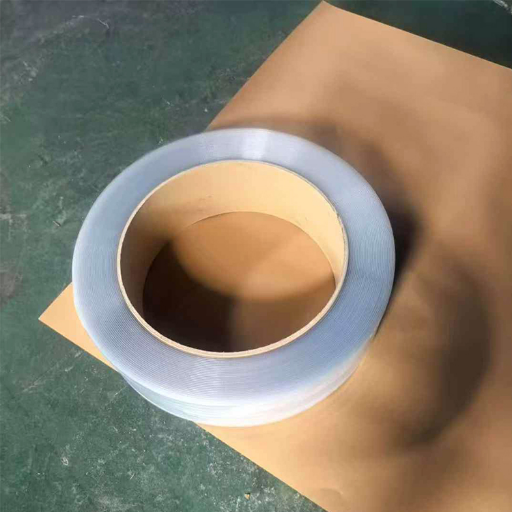
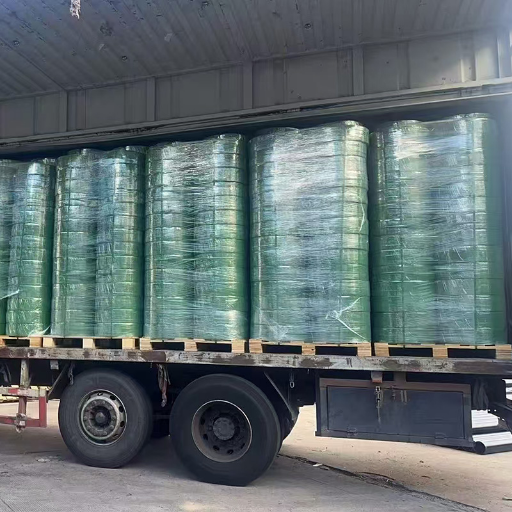
Pricing varies with polymer input, strap size, performance target, roll and core format, quantity, color or printing, joint method, desired validation, and delivery basis. The formal quote is where order-specific commercial details are finalized.
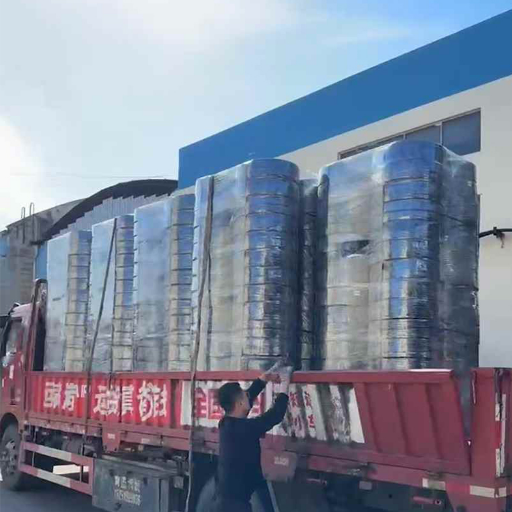
01 Product inputs
- Width, thickness and roll format
- Performance and joint basis
- Color, printing and packaging
02 Application inputs
- Box and filled load
- Tool or line route
- Storage and distribution
03 Terms to confirm
- Price basis and order quantity
- Production and trial arrangements
- Payment, delivery and shipment documents
RFQ evidence checklist
Supplier-selection pages repeatedly surface tensile strength, elongation, joint performance, machine compatibility, sample testing and documents. This page turns those broad requests into the evidence list below.
- Current strap label, datasheet or clear roll photo
- Box drawing or dimensions and filled mass
- Photos of strap layout, edges, closure and pallet
- Tool, sealing head or machine model
- Known package damage, tension-loss or jam record
- Destination, transport mode and storage conditions
Engineering & Planning Resources
RESOURCES / KNOWLEDGE BASE
Industrial Box Strapping FAQs
It can unitize a filled box, bundle or pallet when its tension, joint and strap path suit the complete package. Selection still needs the route and equipment inputs.
Start with box construction, filled mass, load distribution, closure, interior support, edge condition, layout, joint, equipment and distribution hazards. Missing facts lead to a request for evidence, not a guessed size.
Break strength describes the strap basis. Joint strength describes the connection that closes the loop, so both belong in the review.
Sometimes, but never assume that a tool approved for one plastic strap will run another grade. Check the model, approved width and thickness, core, surface, feed path, tension range and joint method; then confirm settings in a controlled trial with the filled package.
PP may remain relevant for lighter-duty, cost-sensitive carton work. Steel may remain relevant where rigidity, sharp edges, heat or an application rule controls the decision.
Yes, if local tension exceeds what the edge and internal support can carry. Review corner protection, strap spacing, tension and box construction together.
No. Those components have separate jobs.
Changes to the product, box, interior packaging, closure, strap, pallet, filling process, automation or distribution route can justify review. The test owner decides whether the change needs retesting.
A box-transport discussion can focus on strap strength and miss local edge pressure. The strap can keep carrying tension while the board or interior support fails first.
Electric polyester-strapping tool prices can differ because duty cycle, approved strap range, tension control, joint method, parts support and automation interfaces differ. Compare those fields against your line, not appearance alone.
Send the eight-point package review plus current strap and equipment details. The written quotation then confirms the order-specific product and commercial basis.
We offer one-stop packaging procurement for strap, supporting consumables and equipment. Our team screens the submitted package and compatibility inputs before defining the route.