Get in touch with UD Packaging Company

UD Packaging · Industrial PET Packaging
Polyester Strapping Tool Selection for Industrial PET Packaging
A polyester strapping tool request becomes actionable when the strap, load, joint, work cycle and destination are defined together. UD Packaging reviews those inputs as one packaging scope, then prepares a quotation around the confirmed equipment and consumables.
- Tool + PET strap
- Seals and buckles
- Application review
- Global quotation input
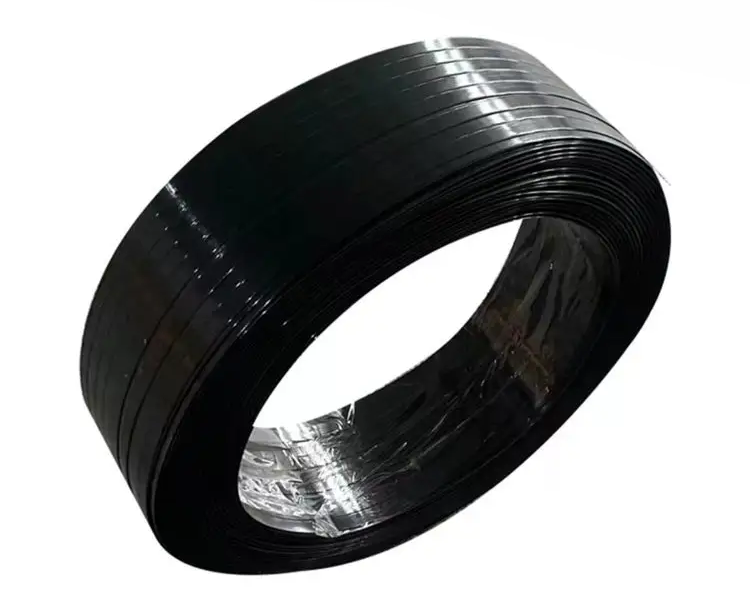
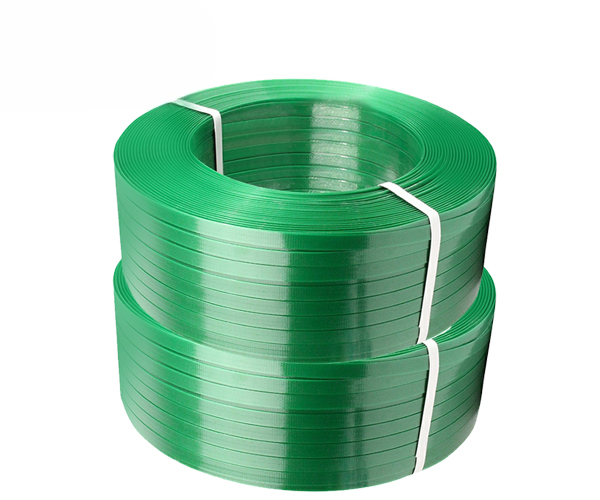
System scope
PET strapping, seals or buckles, equipment and operating inputs are reviewed together.
Supply levels
For manual operations, we supply manual strapping machines. For assisted stations, we supply semi-automatic strapping machines. For integrated lines, we supply fully automatic strapping machines.
Decision basis
Load geometry, strap specification, joint method, task cycle, utilities and destination shape the request.
Tool Categories by Task and Site Conditions
A category name is a starting point, not a load-security decision. Match the application method to the operator’s task, the available utilities and the complete strap-and-joint system before selecting equipment. Load geometry, edge condition, compressibility, and transport movement define the trade-off.
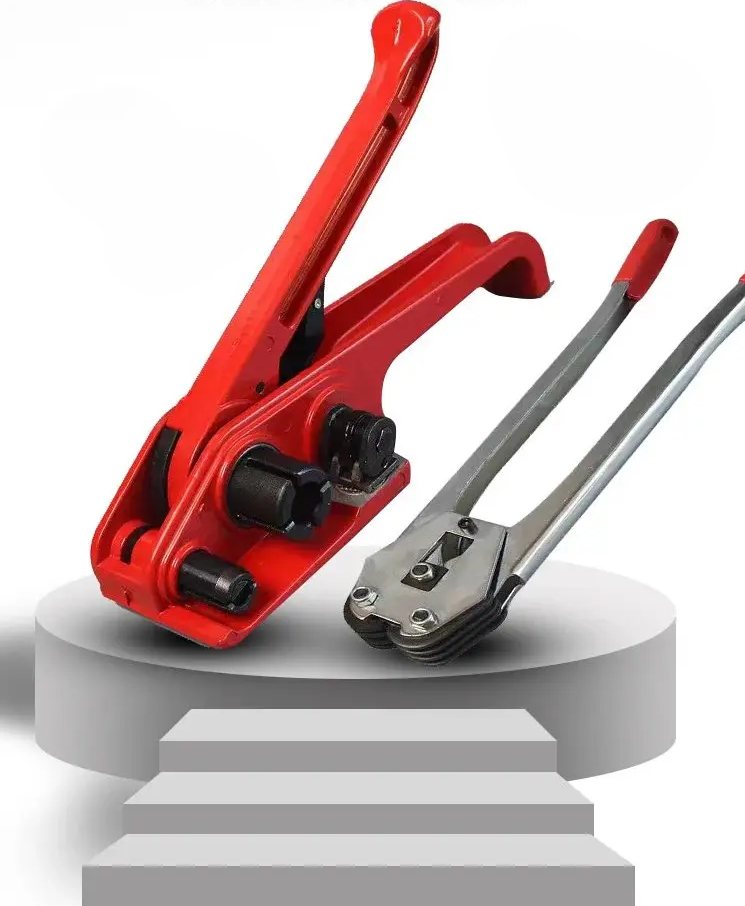
Manual tensioner and sealer path
Consider this path for mobile or occasional work where the operator can control tensioning and apply the specified buckle or seal. Include handle access, operator force, load edges and the number of separate steps in the review.
Battery-powered strapping tool path
Use this category when portable tensioning, sealing and cutting need to happen in one work area without an air line. Add battery configuration, charger, spare-battery plan, shift pattern and transport route to the request.
Pneumatic strapping tool path
Evaluate this path where clean, dry compressed air and a controlled workstation are available. Air supply, hose arrangement, working posture, tool weight and approved attachments belong in the selection brief.
Semi-automatic and automatic path
Escalate to machine-level review when repeated manual handling, awkward posture, line integration or consistent cycle control dominates the decision. Within this equipment scope, we supply semi-automatic strapping machines and fully automatic strapping machines.
PET Strapping and Matching Consumables
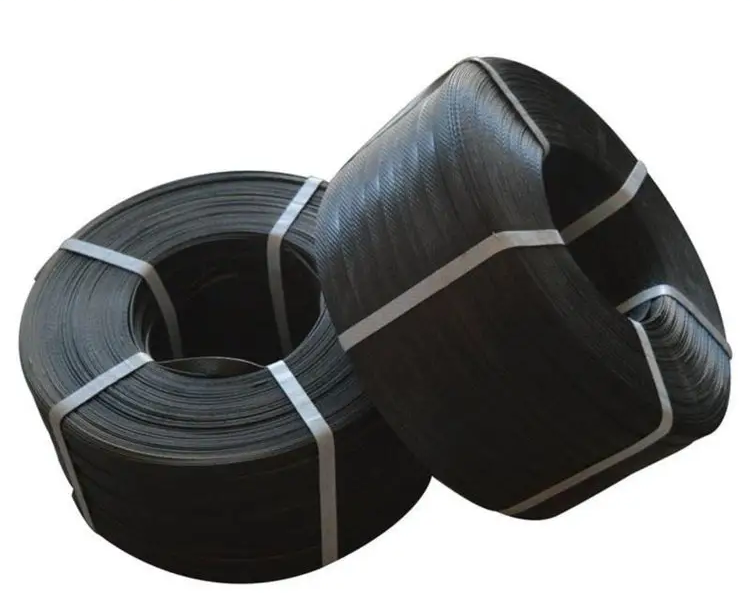
The tool does not work in isolation: strap width, thickness, surface, break strength, elongation and the selected joint all affect the loop. UD Packaging covers PET granulation through finished PET strapping, which lets the application review start with the actual banding material rather than a generic tool label. ASTM D3950-23 provides the external reference for treating nonmetallic strapping and joining methods within one system scope.
SEC. 01
Material naming matters
Buyers may use poly strap, poly strapping or plastic strapping as broad search terms. Use the PET designation in the application brief instead of relying on a generic poly label.
SEC. 02
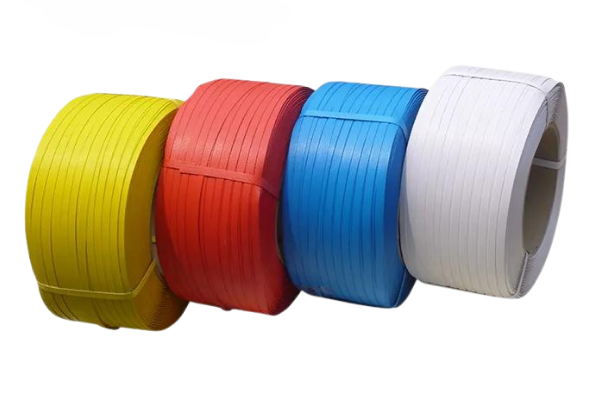
PET strapping
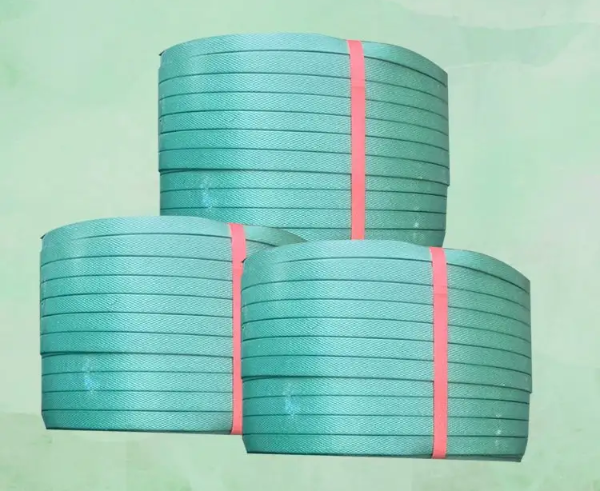
For the restraint system, we supply PET strapping for medium- and heavy-duty industrial packaging. Send the roll label or specification sheet so the matching review can use the intended strap rather than a visual estimate.
SEC. 03
Seals and buckles
For matching packaging scopes, we supply strapping seals and buckles. State the closure type, material and application method when a mechanical joint is required.
SEC. 04
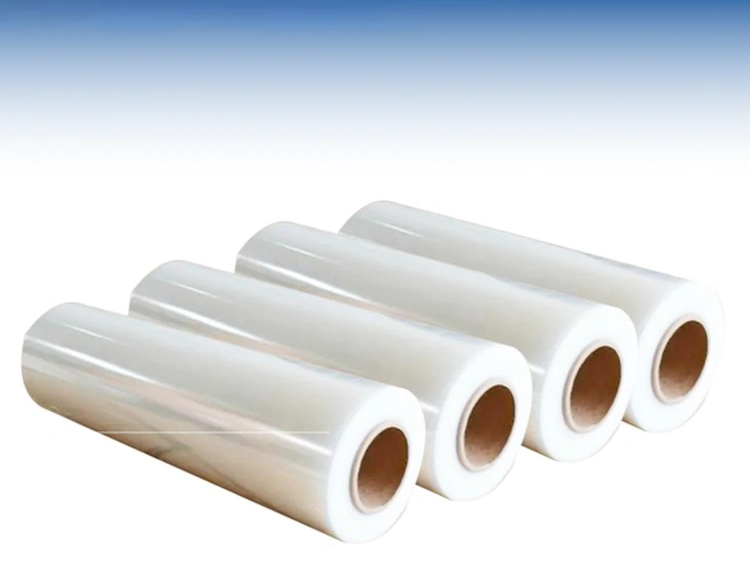
Load protection
Alongside strapping materials, we supply industrial stretch film. Edge protection, surface sensitivity and load settling should be identified before the restraint package is formed.
REQUIREMENTS
Strap information to include
- Material and supplier designation
- Width and thickness with units
- Break strength or approved working specification
- Surface texture, embossing or coating
- Coil format and dispenser arrangement
- Required seal, buckle or friction-weld joint
Joint Methods and Operating Trade-Offs
ASTM D3950-23 places nonmetallic strapping and joining methods in the same specification scope. Treat the closure as part of the restraint system and validate the assembled strap, joint and application setting against the buyer’s acceptance criteria.
-
Manual tensioningBuckle or mechanical sealStrap construction, closure and hand-tool accessPortable, with operator-dependent tension and multiple handling steps
-
Battery-powered or battery operated combination toolFriction weld where the tool and strap are compatibleApproved strap range, settings, battery and chargerPortable integrated cycle, with battery and maintenance planning
-
Pneumatic combination toolTool-specific seal or weld systemAir quality, pressure, hose, workstation and attachmentsContinuous utility support, with hose and workstation constraints
-
Semi-automatic or automatic machineMachine-controlled joining processPack dimensions, line rate, conveyor and controls interfaceHigher integration effort, with repeatable application and reduced manual handling
Application Inputs for Tool Matching
Use this table as the specification brief for a PET strapping tool request. Values must come from the load owner, strap data sheet, operating site or destination requirements; the completed brief supports review but does not replace application testing. ASTM D4675-14a(2022) explains why published selection guidance remains a starting point for the user’s own packaging evaluation.
| Input | What to send | Why it changes the selection |
|---|---|---|
| PET strap | Width, thickness, surface and break-strength specification | Defines the compatible feed path, tensioning range and joint system |
| Load | Weight, dimensions, geometry, edge condition and compressibility | Changes restraint demand, access and risk of product damage |
| Joint | Buckle, seal, friction weld or machine joining requirement | Determines the required tensioner, sealer or combination cycle |
| Work cycle | Packs per shift, straps per pack, operators and changeovers | Shows whether a handheld or automated path deserves review |
| Ergonomics | Working height, reach, posture, force, handle access and tool-weight limit | Prevents throughput from hiding operator and task constraints |
| Utilities | Available electrical supply, compressed air and charging arrangement | Separates feasible powered paths from site-incompatible ones |
| Environment | Temperature, moisture, dust, indoor or outdoor use and cleaning routine | Affects equipment protection, strap behavior and maintenance |
| Destination | Country, transport mode, battery configuration and required documents | Changes marking, instructions, declarations and battery-shipping scope |
Build a Clearer PET Tool Request
Use these tools to organize facts before opening an inquiry. They calculate only from your entries and do not issue a model recommendation, tension setting or commercial offer. Their request-first boundary follows the user-testing principle in ASTM D4675-14a(2022).
Request readiness and cycle estimator
Calculate application cycles per shift and identify missing load, strap, joint and site inputs.
Operating path comparison
Compare the confirmation questions attached to manual, battery, pneumatic and machine-level paths.
System scope builder
Assemble an inquiry checklist covering equipment, consumables, service and destination documents.
Scope-Matched Tool Quotation
Pricing follows the confirmed tool category, strap and joint compatibility, batteries or air preparation, charger, seals or buckles, wear parts, documentation, packing and delivery scope. The comparison starts with the use-and-selection boundary in ASTM D4675-14a(2022). UD Packaging does not use this page to issue a fixed commercial offer; the inquiry form starts an application review.
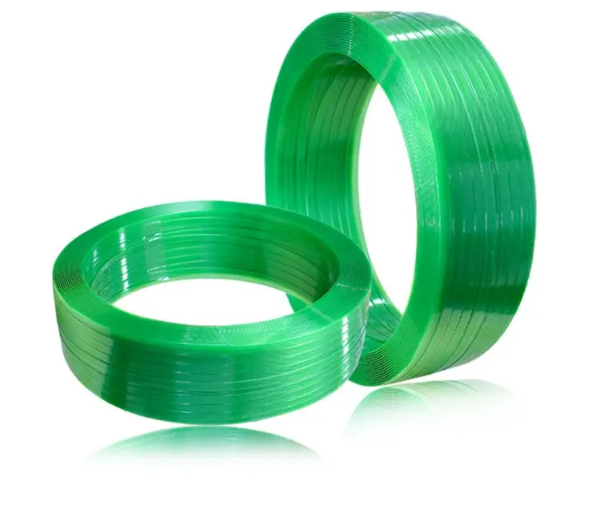
Build a comparable request
Scope line
Include in the request
Comparison value
-
Core equipmentRequested application path and operating modePrevents unlike tool categories from being compared as substitutes
-
Power packageBattery, charger, spare battery, plug or compressed-air preparationExposes dependencies that a bare-tool price can hide
-
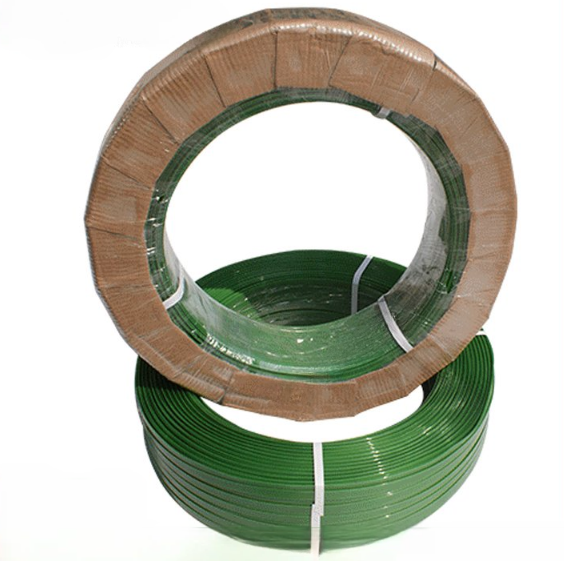
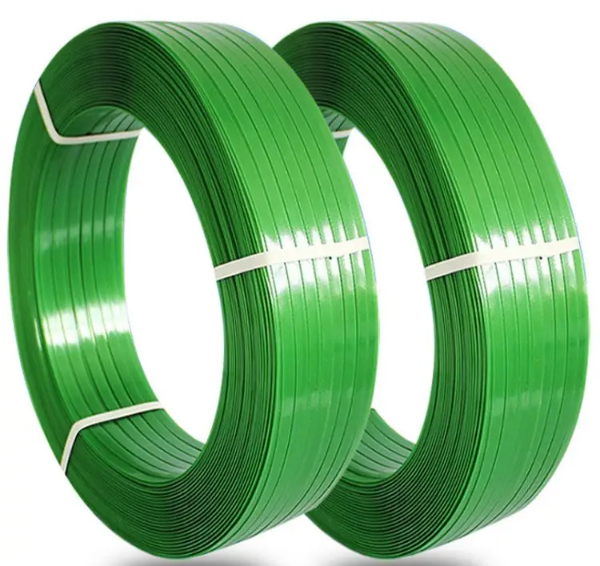
ConsumablesPET strap, seals, buckles, edge protection and dispenserConnects the equipment to the intended restraint system
-
Service itemsWear parts, maintenance plan, training and repair routeClarifies the operating scope after initial delivery
-
DocumentsManual, packing list, battery records and destination-specific documentsLets the buyer check the required evidence before shipment
-
Commercial scopeQuantity, destination, transport mode and requested delivery basisGives the sales team enough context to prepare a written quotation
Request status
Submitting application information asks our team to review the scope. Product availability, configuration and all commercial terms are confirmed only in the written response for that request.
Compatibility and Review Controls
Our professional sales and technical team routes the request through a defined compatibility review. Mismatch risk rises because a strap record, joint result and completed-load result answer different questions. UD Packaging separates those evidence layers and records destination-specific documentation questions, including CE documentation where applicable, before a configuration is confirmed.
Match the strap, joint, load and operating task as one system before comparing equipment categories.
[ System Evidence Boundary ]
System evidence boundary
ASTM D3950-23 includes breaking strength, elongation, transverse strength and joint strength where applicable. A strap certificate, tool data sheet or joint result answers a different question, so the acceptance plan should identify which evidence applies to each layer.
Review Controls Inquiry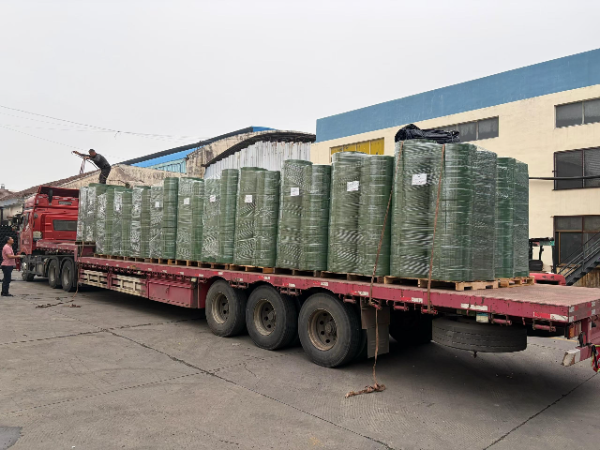
UD Packaging application review principle
Identify the load.
Record geometry, weight, edges, compressibility, handling and transit conditions.
Lock the strap input.
Attach the PET strap specification and intended coil format.
Define the joint.
State the buckle, seal, friction-weld or machine joining requirement.
Review the task.
Add cycle, operator, posture, utilities and environmental conditions.
Check the destination.
Identify market, transport mode and required documents.
Set acceptance criteria.
Agree how tool, strap, joint and completed load will be checked before release.
From Application Brief to Written Response
The review sequence turns the application variables identified in ASTM D4675-14a(2022) into a defined inquiry scope; it does not replace the buyer’s testing and acceptance process.
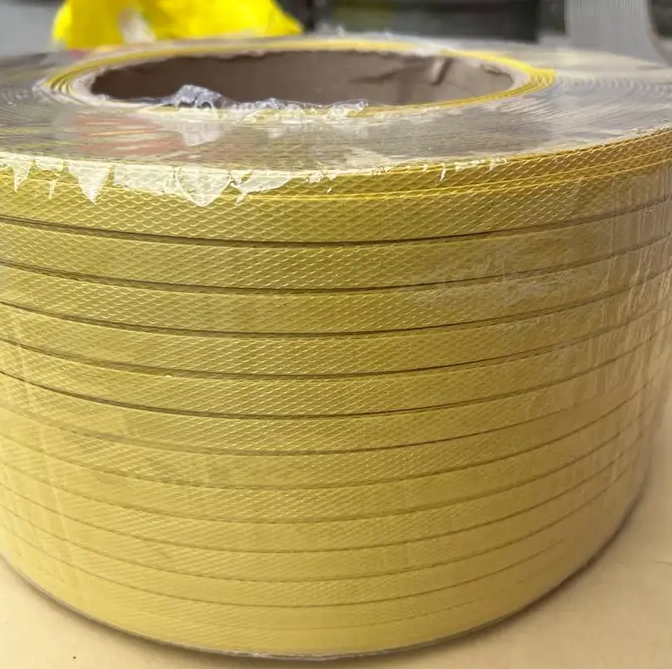
-
01
Send the brief.
Share the load, PET strap, joint, work cycle, utilities and destination.
-
02
Clarify missing inputs.
Our team identifies the information needed before a category or configuration can be reviewed.
-
03
Match the system.
We assess equipment, PET strapping and matching seals or buckles as one procurement scope.
-
04
Confirm the review path.
Where the task points beyond handheld equipment, semi-automatic or fully automatic equipment enters the discussion.
-
05
Prepare the response.
The written reply identifies the confirmed supply scope and the commercial terms for that request.
UD Packaging capability base
- We operate as an integrated industry and trade enterprise in plastic packaging materials.
- Production is based at a modern manufacturing base in Jiangyin, Wuxi, Jiangsu Province.
- At the UD Packaging factory, we run automated PET strapping production lines.
- Through more than a decade in industrial packaging, we have built practical application experience.
- From PET granulation through finished PET strapping, we control the material chain.
- For each application brief, we customize industrial packaging solutions.
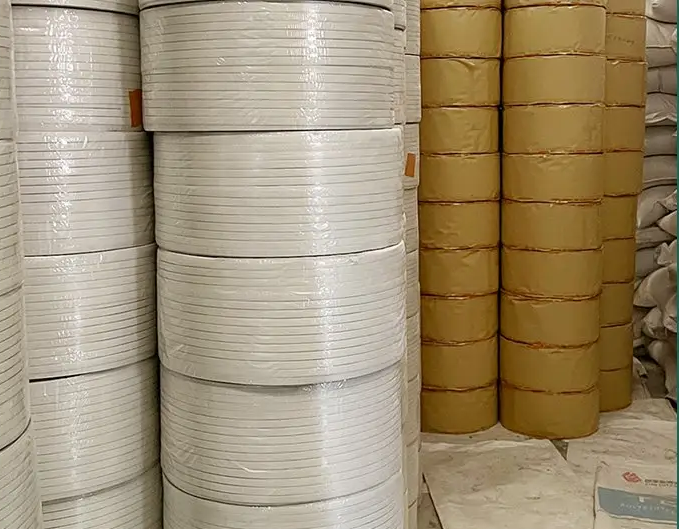
Industrial Application Routing
UD Packaging supplies packaging materials for medium- and heavy-duty goods with different edge, settling, storage and transport conditions. Use the industry cards to describe the load family, then attach the actual package data rather than selecting a tool from the sector name alone. This application-specific boundary is consistent with the user-testing guidance in ASTM D4675-14a(2022).
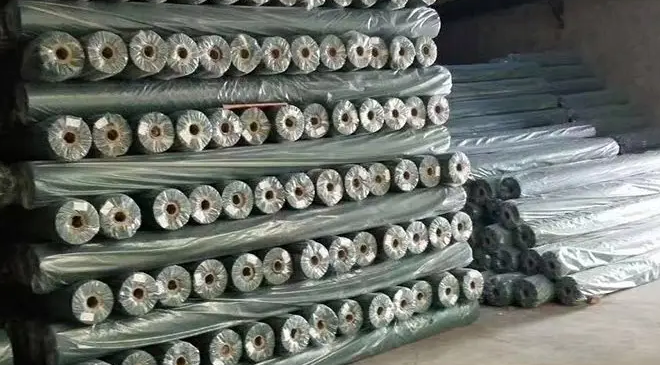
Metals and building materials
Steel, aluminum ingots, bricks and related loads may introduce sharp edges, high restraint demand and outdoor exposure.
Wood, paper and textiles
Lumber, paper, chemical fibers and cotton textiles can settle, compress or change shape through handling and storage.
Energy and electronics
Solar photovoltaic and electronics shipments can require surface protection, defined packing steps and destination documents.
Agriculture and food
Agricultural and food packaging adds hygiene, moisture, storage and handling inputs to the review.
Tobacco and general industry
Repeat pack geometry can support machine-level review when cycle consistency and reduced handling are priorities.
Application outside the list
Send the load drawing, photos or packing specification and the technical team will route the request by task conditions.
Selection Trade-Offs Before Purchase
The more powerful or automated path is not automatically the better path. The right call is to confirm against the load, operator, site and validation plan so complexity is added only where it solves a defined constraint. NIOSH ergonomic guidance and the PHMSA lithium battery guide show why operator conditions and transport configuration must remain separate review inputs.
| Situation | Why it works against the request | Better next step |
|---|---|---|
| Unknown PET strap specification | The compatible feed, tension and joint range cannot be checked from material color or a generic name | Obtain the roll label or data sheet before tool matching |
| Tool category chosen only by price | Batteries, charger, seals, buckles, wear parts and service scope can change the comparison | Compare a complete supply checklist |
| High repetition with awkward posture | A portable tool may preserve the task risk even if it shortens the application cycle | Review workstation changes or automatic strapping |
| Battery tool with an unconfirmed shipping route | Battery configuration and transport mode change the required packing and documentation | Add battery and destination inputs before quotation |
| No completed-load acceptance plan | Individual component data does not prove the assembled restraint system on the buyer’s load | Define application testing and release criteria |
PET Strapping Engineering Tools
PET Tool Request Readiness & Cycle Estimator
Evaluate your packaging requirements and calculate operational cycles accurately. Ensure optimal tool readiness for high-volume strapping tasks.
Operating Path Comparison Canvas
Visually map and compare different strapping operational paths. Identify the most efficient routing for your industrial packaging lines.
Strapping System Scope Builder
Define project parameters and build a comprehensive scope for your custom PET strapping system integration with precise metrics.
PET Strapping Tool FAQs
A combination cycle can remove handling steps, but the decision still depends on the PET strap, joint method, load access, operator task and maintenance scope. This question came from a manufacturing forum where a buyer found separate threading, tensioning and sealing cumbersome.
Start with task frequency, operator effort, consistency, strap compatibility and the full battery package rather than a pallet-count shortcut. A Practical Machinist discussion raised the same value question for occasional work, and the answer changes with the complete operating scope.
No. Width, thickness, surface, strength, joint method and the manufacturer’s approved range must match; ASTM D3950-23 also treats nonmetallic strap and joining methods within one system scope.
Send the strap specification, load data, joint requirement, cycle, operator conditions, utilities, environment and destination. ASTM D4675-14a(2022) treats selection guidance as a starting point and emphasizes user testing for the actual packaging situation.
NIOSH identifies force, repetition and posture as separate ergonomic risk factors and recommends measuring handle size, weight and vibration. Those variables can change suitability even when two stations process the same number of packs.
Yes. The PHMSA lithium battery guide is based on 49 CFR Parts 171-180 and points shippers to United Nations Manual Section 38.3 testing, while the applicable package depends on battery type, size, configuration and transport scenario.
Compare the tool, battery or air package, charger, PET strap, seals or buckles, dispenser, wear parts, training, repair route, documents, packing and delivery scope. The request should compare complete systems, not bare equipment labels.
The correct setting cannot be established from a public category page. Use the approved tool-and-strap information and validate the assembled joint and completed load against the acceptance criteria for your application.
State the destination, transport mode, importer or distributor role, required instructions, marking, declarations and battery records. HSE guidance shows why equipment responsibilities differ by market role, and PHMSA provides a U.S. transport example for lithium batteries.