Get in touch with UD Packaging Company

Strapping for Shipping Selected for Your Load and Route
Strapping for shipping operates as a system: the strap, joint, tool, pallet, edge protection, load behaviour and route of distribution must be consistent. UD Packaging has PET strap, seals, stretch wrap and strapping machines to give buyers the ability to define the strapping system within a single inquiry.
- PET production from granulation through finished strap
- Manual, semi-automatic, and fully automatic equipment routes
- Load, route, storage, and tool inputs reviewed together
- Component evidence kept separate from transit validation
Specifications & Capabilities
Shipping Strapping System Capabilities
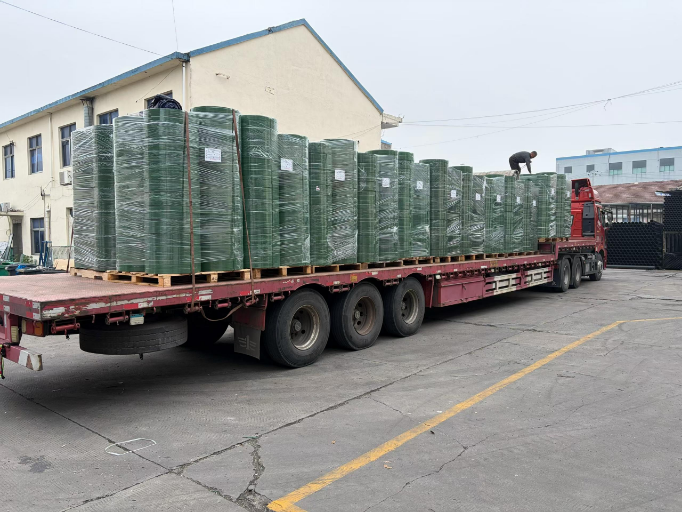
UD Packaging is an integrated industry and trade enterprise with a PET strapping factory in Jiangyin. UD Packaging connects material preparation, strap production, closures, secondary containment, and application equipment inside one supply scope. Unlike a strap-only supplier, this route keeps system interfaces visible while the written item and joining-method evidence must still identify the applicable ASTM D3950-23 release basis.
One system inquiry
A buyer can receive a sound strap and still get a weak system when the closure or tool is mismatched. Unlike a strap-only catalogue, the UD Packaging factory connects integrated PET production, seals, stretch film, and application equipment, whereas a single-item quote leaves those interfaces to the buyer.
PET Strapping
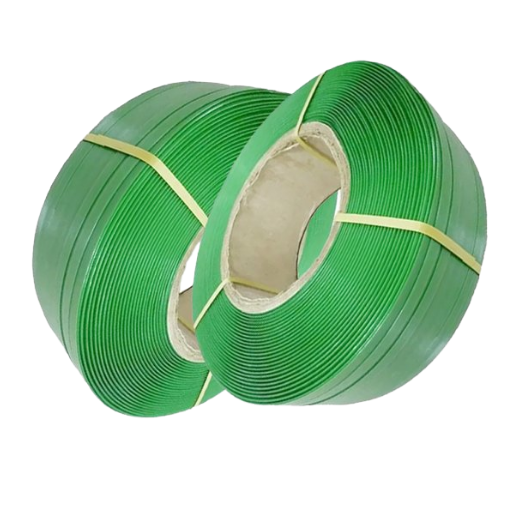
We manufacture polyester strapping through an integrated chain that includes PET granulation and finished strap production. Product-grade values belong in the written product schedule for the selected item.
Industrial Stretch Film
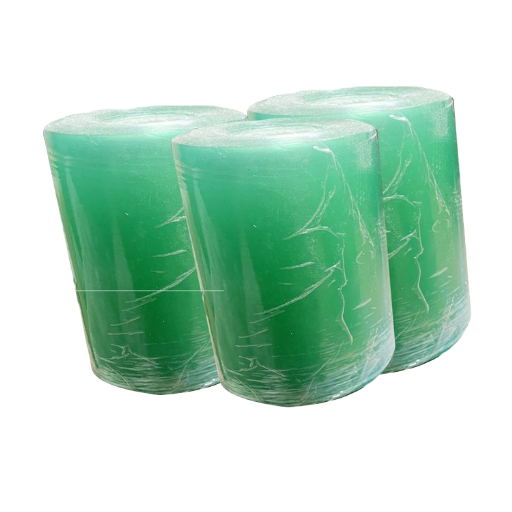
We supply stretch film as secondary containment for palletized goods where dust protection, surface containment, or control of loose outer packs is part of the packaging plan.
Seals and Joint Components
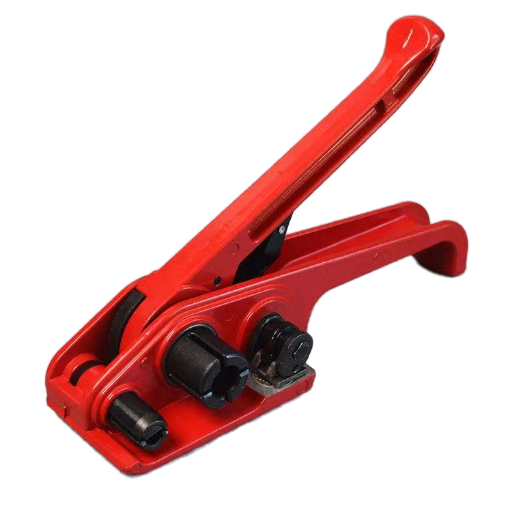
We supply strapping seals and review the closure method as part of the system. Joint configuration matters because strap strength and joint strength are separate acceptance fields.
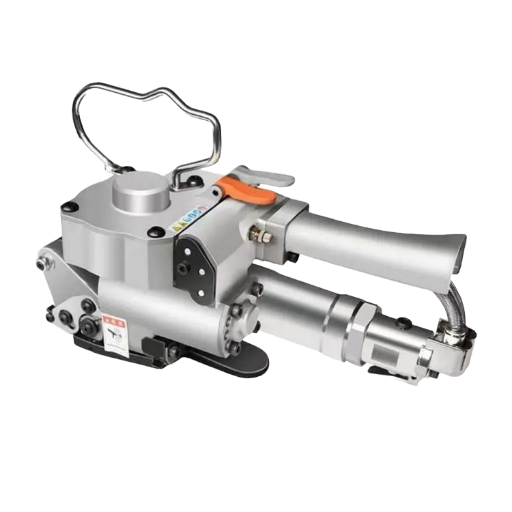
Strapping Machines and Tools
We supply manual, semi-automatic, and fully automatic strapping equipment. Existing tool, tensioner, sealer, and machine details should be included in the inquiry so the strap supply is matched to the actual application method. For a strapping kit inquiry, we identify the requested poly strap type, compatible closure, and application tool as one configured kit.
Confirmed UD Packaging Supply Scope
UD Packaging is an integrated industry and trade enterprise. Our manufacturing base is located in Jiangyin, Wuxi, Jiangsu Province.
- We operate automated production lines for PET strapping. Our PET chain runs from PET granulation to finished strapping.
- PET strapping is our flagship product. We supply industrial stretch film for palletized goods.
- We supply strapping seals and review the closure method with the selected strap and tool route.
- We supply manual strapping machines, semi-automatic strapping machines, and fully automatic strapping machines.
- Our professional sales and technical team supports packaging decisions for medium- and heavy-duty goods.
Load Information That Changes the Recommendation
Strapping Materials by Shipping Load
A strap can lose practical holding value after load settlement, corner damage, or inconsistent application. Material choice starts with that behavior; ASTM D4675-14a(2022) treats selection and use as an application decision, so PET, PP, and steel are not interchangeable.
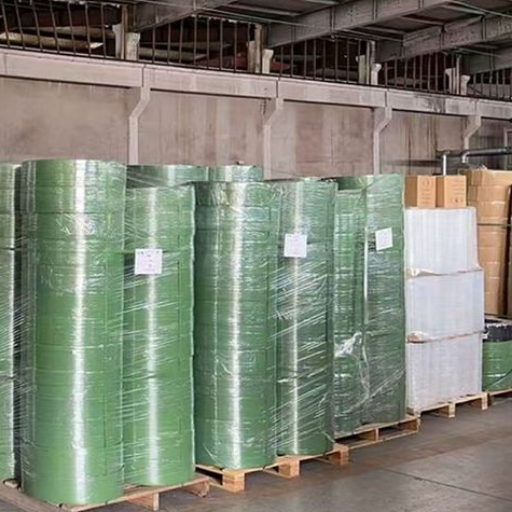
PET Strap
PET strap is a candidate for rigid and settling industrial loads that need tension recovery, corrosion-free contact, and machine or tool application. Selection still has to match the joint and the required break-strength band.
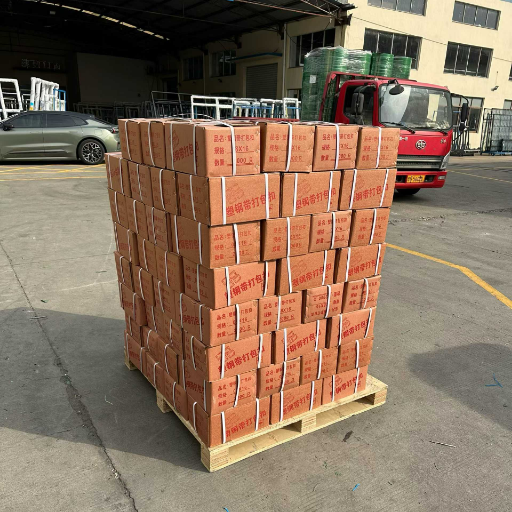
PP Strap
PP belongs in light bundling and carton work where high stretch and lower material demand suit the package. It should not be promoted into a heavier pallet job merely because the tool accepts the same width.
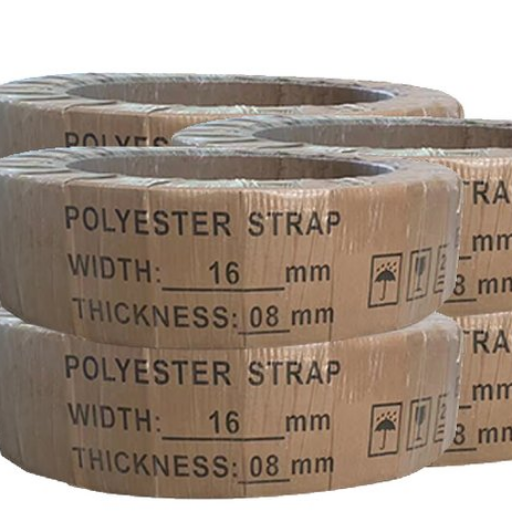
Steel Strap
Steel remains relevant where sharp edges, hot product, extreme static demand, or an established loading rule makes plastic unsuitable. Edge condition and handling safety have to be addressed in the work method.
Shipment Load-to-Strap Decision Grid
| Decision condition | PET route | PP route | Steel or engineered alternative |
|---|---|---|---|
| Load settles after packing | Evaluate retained tension and joint response | Use only when the load and holding demand fit | Rigid strap can lose contact as the load settles |
| Sharp or abrasive edges | Add tested edge protection or change material | Not a strength upgrade path | Review steel, edge guards, or a dedicated securement design |
| Moisture or corrosion-sensitive cargo | Rust-free strap contact supports the packaging plan | Rust-free but application strength still governs | Coating, separation, and corrosion risk need control |
| Existing automatic line | Confirm width, thickness, surface, coil, feed, tension, and weld window | Confirm the machine grade and heat-seal route | Requires a steel-compatible feed and joint system |
| Vehicle tiedown or lifting | Do not substitute packaging strap for rated equipment | Do not substitute packaging strap for rated equipment | Use the applicable rated securement or lifting system |
A material name is not a release decision
“PET,” “PP,” or “steel” is only the first branch. The purchase specification must identify the grade, dimensions, strength fields, joint configuration, application method, and evidence required for the actual shipment.
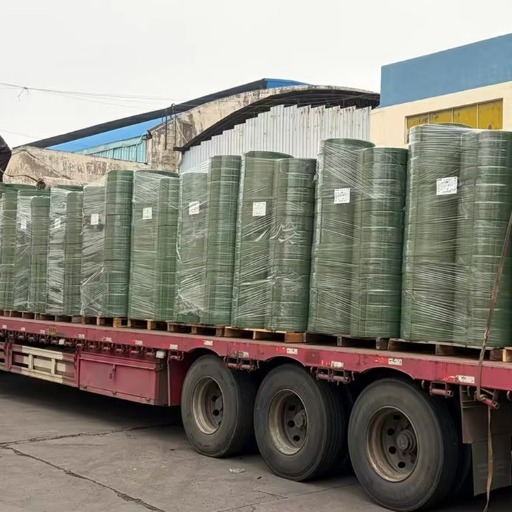
Strap Surface and Joint Options
A shipping strap has to feed, tension, and close in the equipment that applies it. Consistent with the combined strapping and joining-method scope in ASTM D3950-23, surface, coil build, dimensional tolerance, closure type, and machine settings should be treated as connected inputs.
Record whether the process needs a smooth or embossed surface, how the strap travels through guides, and where slip or dust appears. We confirm the supplied option against the selected product and application route.
Record the closure material, seal profile, sealer type, overlap, and operating method. A compatible strap roll does not make an incompatible closure acceptable.
Record the tool or machine, strap grade, tension setting, weld setting, battery or air supply, and joint inspection method. Joint output must be evaluated as a system result.
Record corner radius, abrasion points, sharp edges, and the location of edge protectors. Protection should stay aligned through tensioning and the expected handling sequence.
“A strap recommendation is incomplete until the joint, tool, load edge, and route are part of the same review.”
UD Packaging Engineering TeamShipping Strap System Fit Check
- Strap material type, grade, surface finish, dimensions, coil type and form
- Seal, buckle, heat weld, friction weld, or another approved closure
- Manual tensioner, combination tool, semi-automatic unit, or automatic line
- Target tension method and joint-verification method
- Corner protection, strap path, pallet deck, and contact surfaces
Verified Strap and Joint Specifications
The release document for a shipping strap should connect every value to one product or grade and one joint configuration. ASTM D3950-23 identifies nonmetallic strapping and joining methods as a combined specification area, including breaking strength, elongation, and joint strength where applicable.
Standard PET Strapping Quotation Envelope
We quote PET strapping within a standard 9–32 mm width and 0.5–1.2 mm thickness envelope. The table divides that range into practical inquiry bands; it is not a list of stock keeping units, and the written product schedule fixes the exact dimensions, tolerance, strength, elongation, coil, and joint acceptance for the selected item.
| Inquiry band | Nominal width band | Thickness review band | Release decision |
|---|---|---|---|
| Band 1 | 9–11 mm | 0.50–0.70 mm | Confirm tool guides, seal width, break-strength requirement, and coil core |
| Band 2 | 12–13 mm | 0.50–0.80 mm | Confirm pallet duty, tension setting, surface, and closure route |
| Band 3 | 15–16 mm | 0.60–1.00 mm | Confirm manual or machine grade, feed path, weld, and joint result |
| Band 4 | 18–19 mm | 0.80–1.20 mm | Confirm heavy-load geometry, edges, retained tension, and handling stages |
| Band 5 | 24–25 mm | 1.00–1.20 mm | Confirm tool capacity, contact pressure, edge protection, and validation scope |
| Band 6 | 31.5–32 mm | 1.00–1.20 mm | Confirm machine compatibility, joint method, break force, and route conditions |
How this envelope was set
The range is the conservative overlap of three independently published Chinese PET strapping supplier catalogues. It defines what UD Packaging will quote for review, while measured performance remains attached to the selected product and its written verification record.
| Field | What the written product schedule should identify | Why procurement needs it |
|---|---|---|
| Product identity | SKU or grade, material, surface, color, and coil format | Stops one grade's evidence from being applied to another |
| Dimensions | Nominal width, thickness, tolerance, and unit system | Connects the strap to tools, guides, seals, and machine feed |
| Strap performance | Breaking strength, elongation, conditioning, and test method | Defines the component result under stated test conditions |
| Joint result | Closure, tool or machine, settings, overlap, joint strength, and calculation basis | Prevents strap strength from being mistaken for system strength |
| Sampling and date | Lot, specimen count, sampling basis, report date, and acceptance rule | Shows which production population the result represents |
| Traceability | Laboratory, equipment, calibration or measurement references available with the report | Lets the buyer assess whether the result is fit for release |
| Distribution scope | Package, pallet, route, carrier rules, handling stages, and validation procedure | Separates component conformity from complete unit-load performance |
Three evidence levels
- Component conformity: strap dimensions and material test results.
- Joint-system validation: the selected strap, closure, tool, and settings tested together.
- Packaged-product validation: the complete load and packaging configuration tested for the intended distribution system.
Unlike an unbound catalogue value, this structure keeps each claim attached to the product and system that generated it.
Request a Product-Specific Verification ScopePricing and Supply Planning
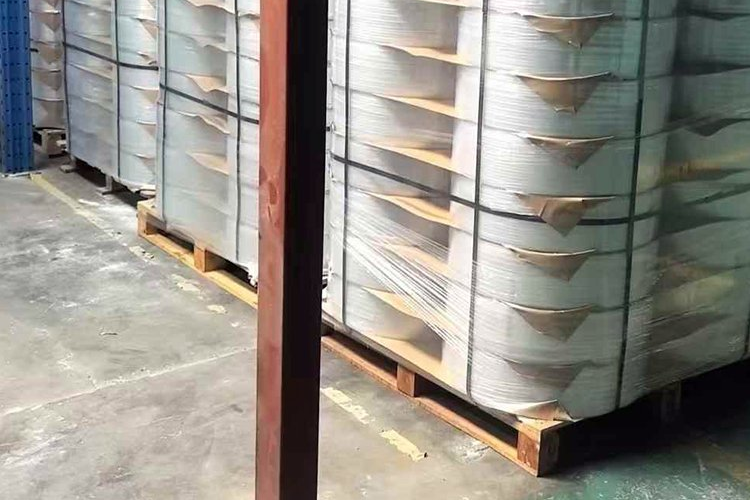
Comparing supplier quotations becomes difficult when each offer assumes a different load, joint, tool, and evidence scope. Shipping strapping is priced against the selected material and grade, strap dimensions, coil format, order quantity, joint consumables, equipment route, packing, and delivery conditions.
Cost Drivers to Put on the RFQ
| Driver | What changes | What to submit |
|---|---|---|
| Strap grade and section | Material use, strength band, machine compatibility, and coil yield | Required component result and current equipment limits |
| Joint route | Seal or buckle consumption, tool need, weld settings, and inspection work | Closure method, tool model, and joint acceptance requirement |
| Load and strap pattern | Strap consumption and application time per shipping unit | Pallet dimensions, strap count, direction, and allowance |
| Validation scope | Sample preparation, laboratory work, report package, and change control | Component, joint-system, or complete packaged-product evidence |
| Supply format | Coil, pallet, labeling, traceability, and freight arrangement | Consumption plan, receiving limits, and destination |
Quality Controls for Shipping Strapping
UD Packaging manages the PET chain from granulation through finished strapping, which keeps material preparation and strap production inside one manufacturing scope. The risk is an unbound test result because a value without product, specimen, method, lot, and joint identity cannot support release.
Controls That Belong in the Purchase Record
-
Define the item
Fix the product or grade, dimensions, surface, coil, closure, and application equipment.
-
Define the test
Name the method and version, specimen conditioning, sampling basis, joint configuration, and calculation rule.
-
Define the release record
Connect results to the lot, report date, laboratory, and available measurement traceability.
-
Define the system boundary
State whether acceptance covers the strap, the joint system, or the complete packaged product.
Packaged-product certification has a different owner
ISTA's Transit Tested policy applies to the packaged product under a current procedure, a qualified laboratory, passing samples, report review, and brand-owner licensing. A packaging-material supplier's component document is not a substitute for that shipper-owned result.
Configuration Changes That Trigger Review
- Strap type, grade and dimensions, its surface type, supplier or form of coiling;
- Seal type, buckle, tension, joint or the application method along with appropriate use of applied tools, machines and tension control parameters;
- Product shape and arrangement (including strapping on pallets), edge protection or other inner protection within package;
- Carrier or transportation method to final destination, handling processes, storage, or degree of handling;
From Load Profile to Strapping Supply
Buyers often blur package unitizing, vehicle cargo securement, and lifting even though each has a different release path. We organize the inquiry around the load, route, ASTM D4675-14a(2022) selection factors, and the packaged-product validation boundary described by ISTA.
1
2
3
4
5
6
Review the load profile. Submit photos, dimensional drawings, weight flow, pallet makeup, edge condition, route, and exposure in storage.
Map the current system. Document the strap, closure, tensioner, sealer, machine, corner protectors, and strap pattern.
Determine the evidence scope. Select component conformity, joint-system validation, packaged-product testing, or staged combination.
Check the written configuration. Validate the product, closure, application model, quality documents, and scope of quotation.
Release production to conform to the record. Link the accepted configuration and acceptance fields to the lot and shipment.
Control subsequent modifications. Reconsider your recommendation when the product, packaging system, equipment, or distribution route changes.
Safe Application and Removal Inputs
Application
Document tool condition, strap alignment, corner protection, tension method, joint inspection, guarding, and operator work position. The approved procedure should keep people away from the strap line and stored-energy release path.
Removal
Plan where the cut is made, how released ends are controlled, and whether the load can move after restraint is removed. A package that appears stable can change once the strap force is released.
Industrial Packaging Scope
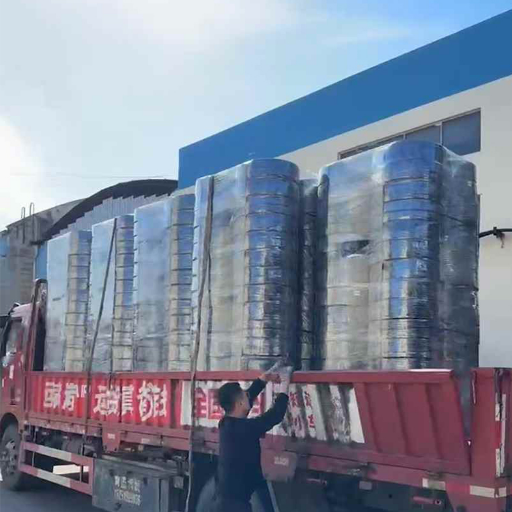
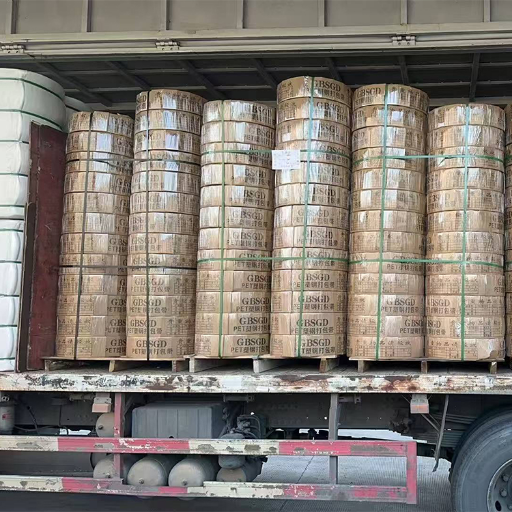
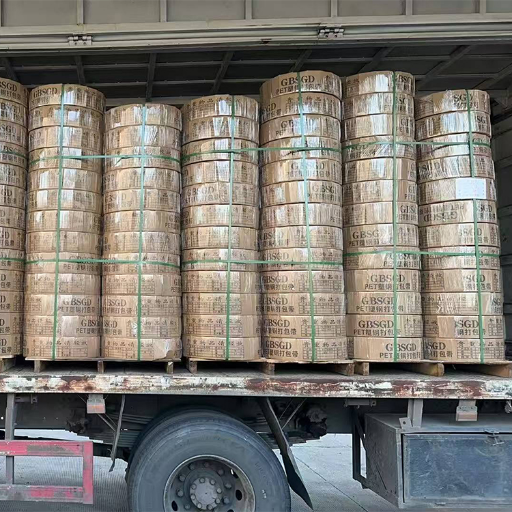
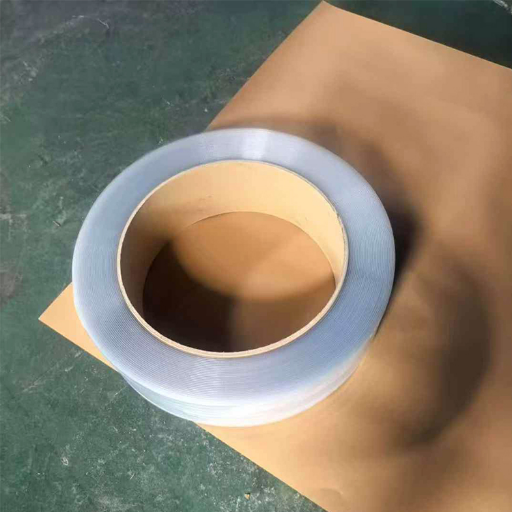
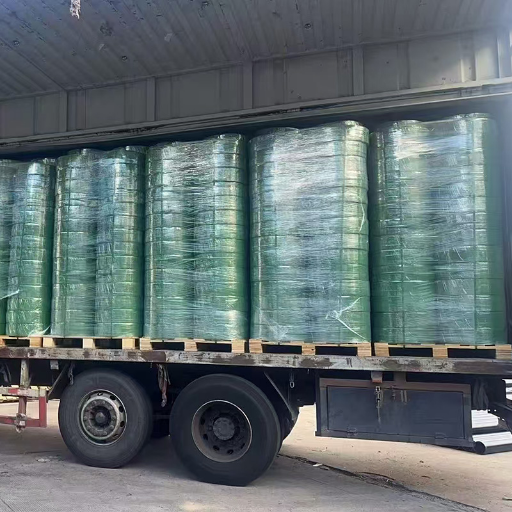
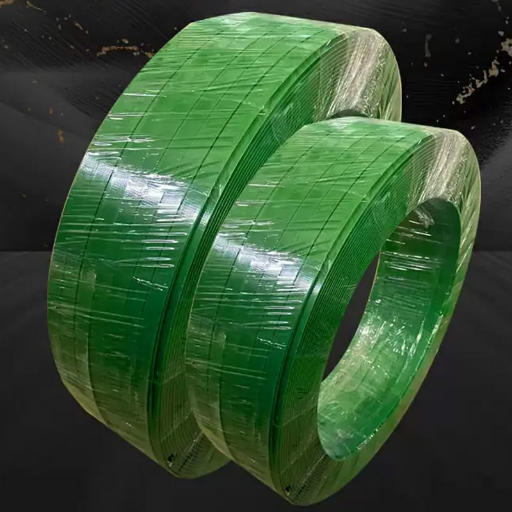
UD Packaging supplies packaging materials for medium- and heavy-duty bundling and transportation needs. The application discussion applies ASTM D4675-14a(2022) selection factors to each system's load behavior rather than claiming that one strap fits every load.
Metals and Building Materials
Steel, aluminum ingots, bricks, and other rigid loads bring high mass, rough contact surfaces, and edge-protection decisions into the strap system.
Wood, Paper, and Textiles
Lumber, paper, chemical fiber, and cotton textile loads can settle or compress, so retained tension and strap pattern deserve the same attention as component strength.
Solar and Electronics
Photovoltaic and electronics shipments add surface protection, moisture control, cleanliness, and multi-stage handling to the packaging brief.
Agriculture and Food
Agricultural and food loads require the packaging material, contact boundary, storage exposure, and receiving rules to be stated before product release.
Tobacco and Converted Goods
Bundled and palletized finished goods need a stable strap path, controlled outer packaging, and compatibility with warehouse equipment.
Custom Industrial Loads
We review loads outside these groups when the inquiry provides enough geometry, handling, route, and system information to make a bounded recommendation.
Engineering & Selection Tools
Shipping Strap System Fit Check
Open ToolComparable Strapping Request Builder
Open ToolShipment Load-to-Strap Decision Grid
Open ToolShipping Strapping FAQs
Yes. PET is polyethylene terephthalate, the polyester material used in PET strap; the purchase still needs a product or grade, dimensions, strength fields, and joint route.
Start with the complete load case rather than dividing pallet weight by a strap count. Record dynamic handling, load settlement, geometry, edges, friction, strap pattern, joint strength, and the applicable carrier or validation rules.
No. PET is a candidate for many rigid or settling loads, while sharp edges, heat, extreme static demand, vehicle tiedown, and lifting require a separate material or rated-system decision.
Compatibility depends on the battery strapping tool's approved strap material, width, thickness, surface, tension range, weld setting, and wear condition. Send the exact tool model and current strap details with the inquiry.
The strap and closure are separate parts of the load path. ASTM D3950-23 treats nonmetallic strapping and joining methods together, so joint configuration and joint test results belong beside the strap's component value.
Send the load photo, pallet and product dimensions, weight distribution, route, storage exposure, edge condition, strap pattern, current tool and closure, and the validation documents your buyer or carrier requires.
Request product identity, specimen conditioning, test method and version, sampling basis, report date, lot link, dimensional results, break and elongation results, joint configuration, joint result, and available laboratory or measurement traceability.
No. ISTA's certification policy applies to the packaged product, with a current test procedure, qualified laboratory, passing samples, report review, and brand-owner control; a component report has a narrower scope.
Issue the same RFQ fields to each supplier and compare the exact product, joint, tool assumptions, coil and pack basis, evidence package, change-control terms, and written commercial conditions.
They are fixed in the written quotation for the selected product and supply configuration. Include annual demand, order quantity, destination, equipment route, evidence scope, and receiving limits so the offer can be compared on one basis.