Get in touch with UD Packaging Company

Strapping for Pallets That Fits the Load, Joint and Equipment
UD Packaging helps industrial buyers configure plastic strapping for pallets around load behavior, handling conditions and the application method. Our PET-led approach starts with the unit-load system—not a one-size-fits-all strap claim.
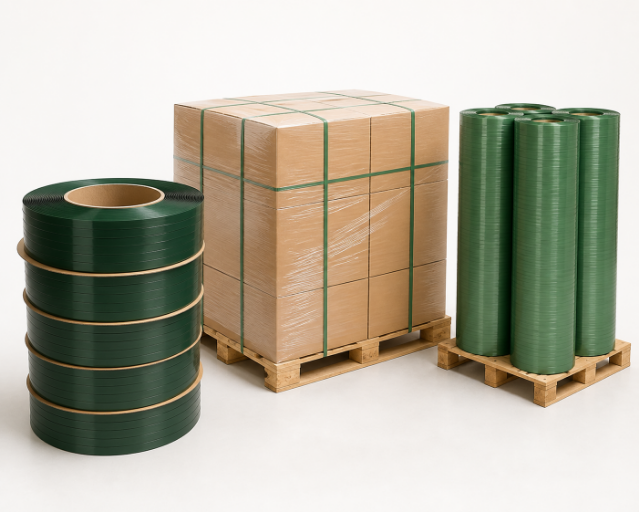
Start with these inputs
The result is a proposed configuration for buyer review and validation, not an automatic lifting or vehicle-restraint approval.
Use a Six-Step Selection Sequence Before Locking the Strap
A disciplined sequence reduces the risk of an early material preference controlling the rest of the decision. ASTM D4675 covers the selection and use of flat strapping materials; use it as a framing reference for reviewing the load, material and application conditions, not as proof of the finished pallet.
Record weight distribution, dimensions, product sensitivity, stack pattern and expected settlement.
Mark every strap contact, corner, void, shear plane and place where lateral movement can begin.
List handling events, storage exposure, carrier instructions and any condition that needs specialist review.
Compare PET, PP and steel only after the load and operating limits are visible.
Confirm the surface, coil, core, tool, machine, tensioning method and seal or buckle as one package.
Agree which material, joint and complete-unit evidence the decision owner needs before rollout.
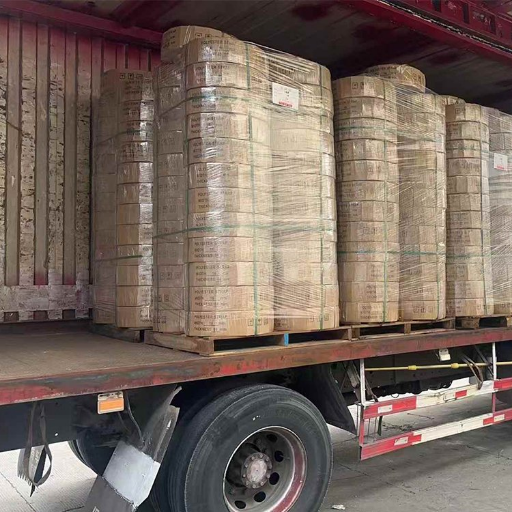
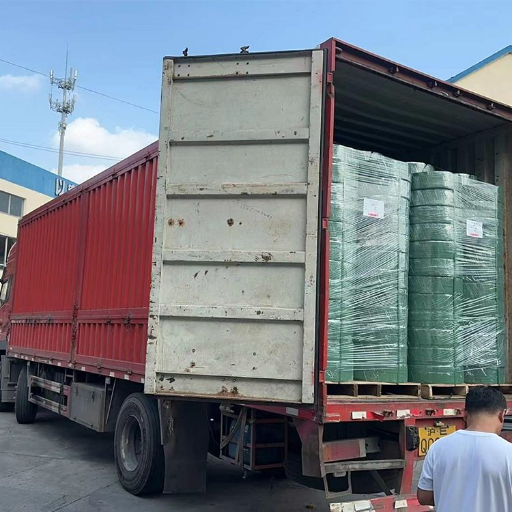
Record changes, not just the final answer
The wrong choice can persist because a changed pallet, carton, tool, strap dimension, joint or route is not traced back to its evidence. Contact UD Packaging to review the specific configuration and acceptance criteria.
- Keep rejected options and their reasons.
- Reopen the relevant evidence level after a material change.
A Faster Route to a Comparable Pallet-Strapping Decision
Most selection errors begin when buyers compare only material names or break strength. ASTM D4675 and ASTM D3950 support a comparable route that records the application, nonmetallic strap and joining method instead of treating one result as the complete decision. That comparison can fail because the same material may be applied at a different tension or joined by a different method.
Load first
Define shape, weight distribution, compression sensitivity and likely settlement.
System second
Map the pallet, strap path, corner protection and any complementary containment.
Application third
Match material and dimensions to the tensioning, sealing and cutting method.
Evidence last
Separate material, joint and complete-unit evidence before approving a change.
Common failure pattern
A Stronger Strap Cannot Repair a Weak Load System
A band can remain intact while cartons shift sideways, edges crush, a joint slips or the pallet flexes. ASTM D4169 keeps complete shipping-unit performance evaluation distinct from isolated strap or joint evidence.
- Buyers need to know whether the strap, joint and tool have been checked together.
- A material label cannot describe retained tension, side movement or connection behavior.
- Users worry about lateral shift even when the vertical bands remain intact; UD Packaging treats that as a load-system risk.
- Strap material was selected before the load path was mapped.
- Nominal strap data was compared with joint or system results.
- The existing tensioner, sealer or machine was treated as interchangeable.
- Vehicle restraint or hoisting was assumed from pallet unitization.
Decision trade-off
The trade-off is between retained restraint, product compression, joint efficiency, equipment fit and the actual distribution cycle—not a ranking of strap strength alone. Unlike a roll-only comparison, this method keeps the pallet, contact interfaces, joint and machine inside the decision.
The useful contradiction
“Highest tension” is not automatically the safest or most economical setting. The limiting factor may be a carton edge, a friction interface, a weak joint, the pallet or an incompatible tool.
- Control vertical separation and lateral movement separately.
- Escalate sharp-edge, hot, regulated and lifting conditions.
The wrong material is sometimes only the visible symptom. Evidence levels are not interchangeable, and the trade-off between tension and product compression can cost you a stable load; where to look instead is the weakest interface.
Choose Plastic Strapping by Load and Handling Conditions
Research on unit loads shows that containment, package geometry and pallet stiffness interact; they should not be designed in isolation. ASTM D4675 supplies the selection variables used by this grid before a buyer compares PET strap, PP strap, stretch film or a combined stabilization method.
| Observed condition | Primary question | Configuration direction | Validation focus |
|---|---|---|---|
| Rigid, stable cases | Does the load settle after packing? | Evaluate PET strapping and joint consistency. | Retained tension and edge condition. |
| Compressible cartons | Can applied tension crush corners? | Control tension and add appropriate edge protection. | Compression marks and joint behavior. |
| Irregular or mixed load | Can layers move laterally? | Consider complementary containment or blocking. | Side impact and handling sequence. |
| Sharp or abrasive contact | Can the edge cut or wear the band? | Escalate material, protector and routing review. | Contact damage after the full cycle. |
| Outdoor or variable storage | What moisture, UV and temperature exposure applies? | Confirm material and storage suitability. | Conditioned material and joint evidence. |
| Carrier-controlled shipment | Are strap type or restraint rules prescribed? | Use the carrier requirement as a controlling input. | Separate unitization from vehicle restraint. |
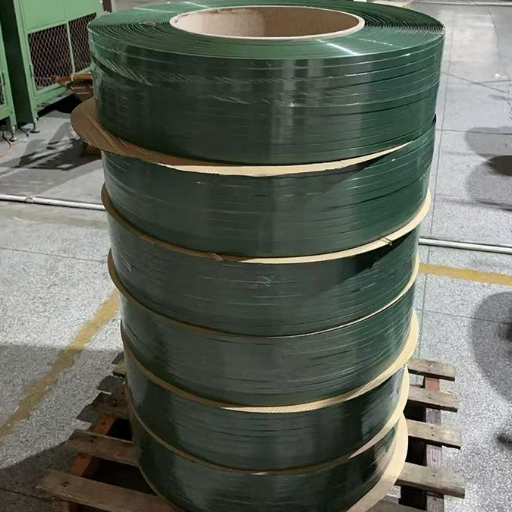
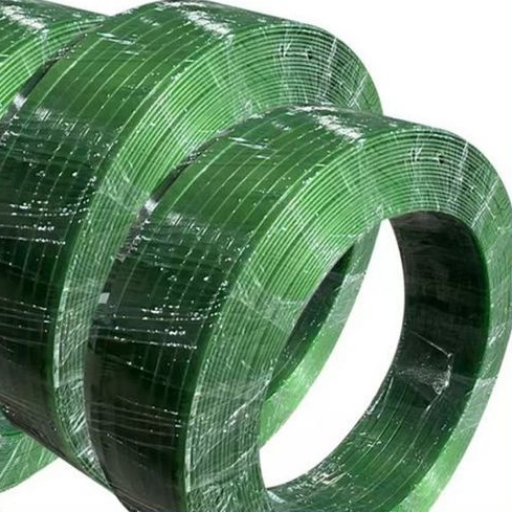
Map PET, PP and Steel to the Actual Risk
PET strapping is the core product scope UD Packaging has confirmed for this page, while polypropylene and steel remain comparison categories. ASTM D3950 provides the nonmetallic strap and joining-method basis; steel remains a separate engineering comparison rather than a universal fallback.
Consider PET only where the proposed grade’s attributable test report and unit-load trial demonstrate the required tension-retention and impact response.
Consider for lighter packaging and bundling duties when the load, handling cycle and required tension fit the material.
Keep steel under review for severe edges, very hot products, specialized carrier rules or other conditions that require a separate engineering decision.
Do not let a product label collapse the system
Retail terms such as poly strap, poly strapping, strap kit and kit often combine a band, buckle or seal and tool without explaining their joint evidence. For an industrial polyester application, a brand name or bundle label cannot replace compatibility checks.
- Before you ship a pallet or box, confirm how its packaging behaves through the handling route.
- For lumber, metal and other edge-sensitive loads, treat “alternative to steel” as a question to verify, not a universal result.
- Rust exposure can matter in a steel comparison, but it does not decide the complete unit-load design by itself.
Match the Strap, Seal and Strapping Equipment as One System
A coil that looks suitable on paper may not feed, tension, seal or cut correctly on the installed equipment. Use ASTM D3950 as the nonmetallic strap and joining-method basis, then confirm width, thickness, surface, core size, coil format and applied tension against the real strapping tool or machine.
Public technology context is not product proof
Equipment settings and feedback can affect an industrial application. Supplier test reports and acceptance criteria must cover the proposed strap, joint and machine.
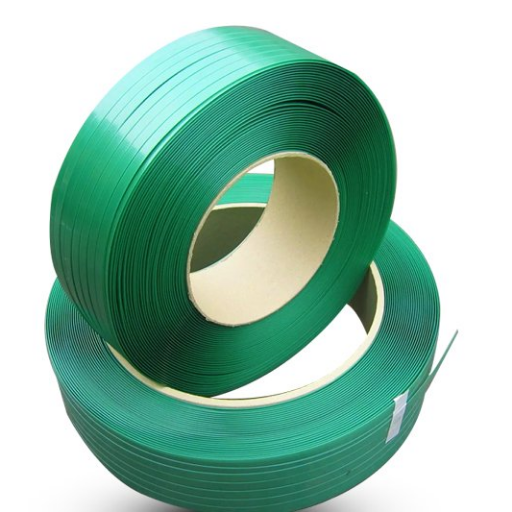
Manual application
UD Packaging supplies manual strapping machines and strapping seals and buckles for scenarios that need portable or operator-controlled application. Confirm tool, strap, seal and joint compatibility separately from the pallet-load decision.
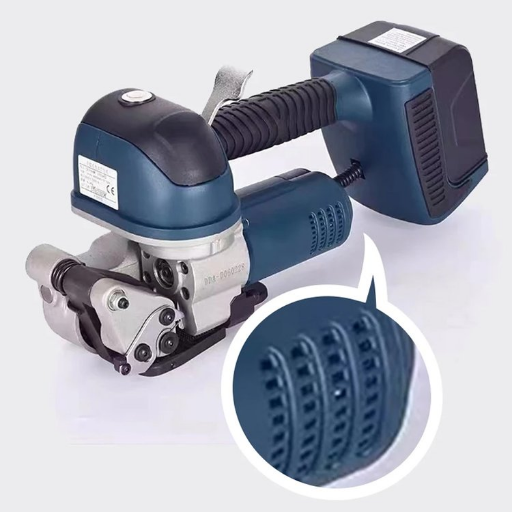
Semi-automatic flow
UD Packaging supplies semi-automatic strapping machines for packaging stations where the operator and machine share the cycle.
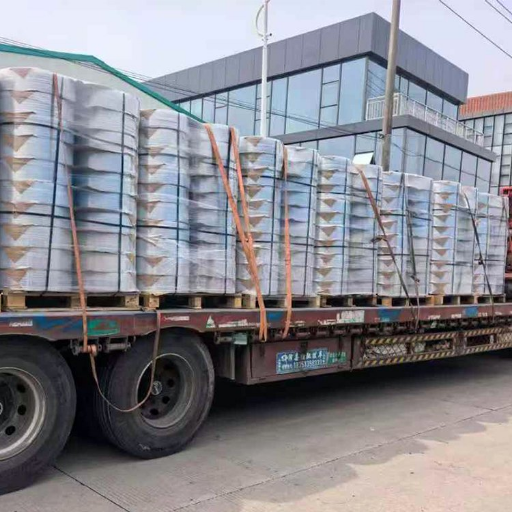
Automatic line
UD Packaging supplies fully automatic strapping machines for integrated handling. Confirm the final machine and strap fit against the specific line.
Normalize Configuration Inputs Before a Supplier Discussion
Use ASTM D4675 as a selection reference while the fields below separate provided, missing and unknown configuration inputs. The normalized record identifies what still needs supplier confirmation without generating an RFQ or implying commercial terms.
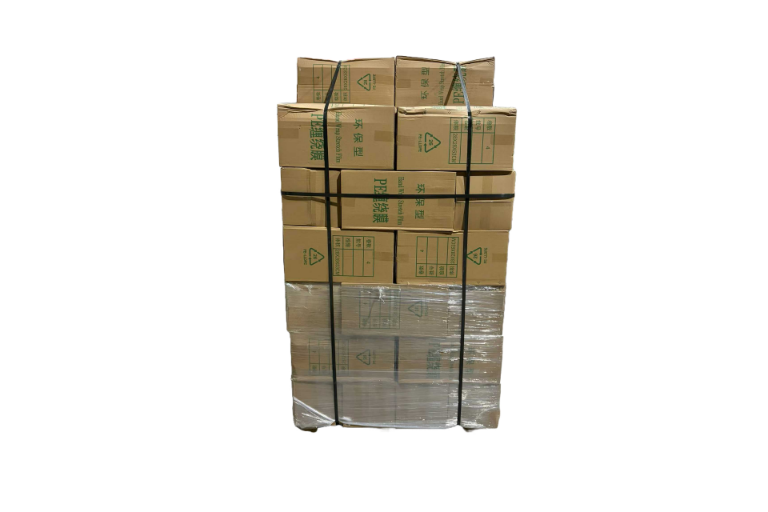
Use consistent units
Record strap width in mm and thickness in mm, then state the test method and conditioning behind each result. This gives a supplier and procurement team a scenario that can be checked without converting a competitor value into a UD Packaging specification.

State the pallet footprint rather than assuming it
Record the actual pallet dimensions, deck layout and support conditions. Those inputs affect contact points, deflection and the strap path, so they cannot be inferred from a generic pallet label. If a buyer measures a loaded pallet at 1200 mm by 1000 mm, record both figures as buyer-provided inputs rather than treating either one as a default product specification.
| Input | Buyer-provided requirement | Why it changes the decision |
|---|---|---|
| 01 — Unit load | Total weight, dimensions, center of gravity and product sensitivity | Defines forces, compression risk and strap path. |
| 02 — Pallet | Material, footprint, deck condition and support during handling | Changes edge contact, deflection and load transfer. |
| 03 — Movement | Expected settling, lateral shift, vibration and impact | Shows whether banding needs complementary containment. |
| 04 — Environment | Indoor/outdoor exposure, temperature, moisture and storage duration | Frames material conditioning and storage suitability. |
| 05 — Strap path | Number and direction of bands, edge protectors and contact points | Controls force distribution and abrasion risk. |
| 06 — Joint | Seal, buckle or welded joint and required joint evidence | Prevents nominal strap strength from masking the connection. |
| 07 — Equipment | Tool or machine model, application mode, coil and core requirements | Determines feed, tension, seal and cut compatibility. |
| 08 — Normalization status | Provided, missing, unknown and supplier-confirmation items | Keeps unresolved configuration inputs visible before a technical discussion. |
Compare Like with Like
Break strength, tensile strength, elongation and joint strength describe different evidence. A clean comparison names the test method, conditioning, specimen, joint, equipment and acceptance basis instead of placing unrelated numbers in one column.
Material identity and nominal dimensions
Smooth or embossed surface and coil format
Break-strength and elongation test basis
Seal, buckle or weld and joint-strength basis
Applied tension and actual application equipment
Complete pallet-load trial under relevant hazards
Evidence is not interchangeable
Material data does not prove joint efficiency, and a joint result does not prove the complete pallet through distribution. ASTM D3950 provides nonmetallic strapping and joining-method categories, while complete shipping-unit protocols such as ASTM D4169 address a different level of evidence.
Keep component, connection and system results in separate rows.
Record who owns each report and what configuration it covers.
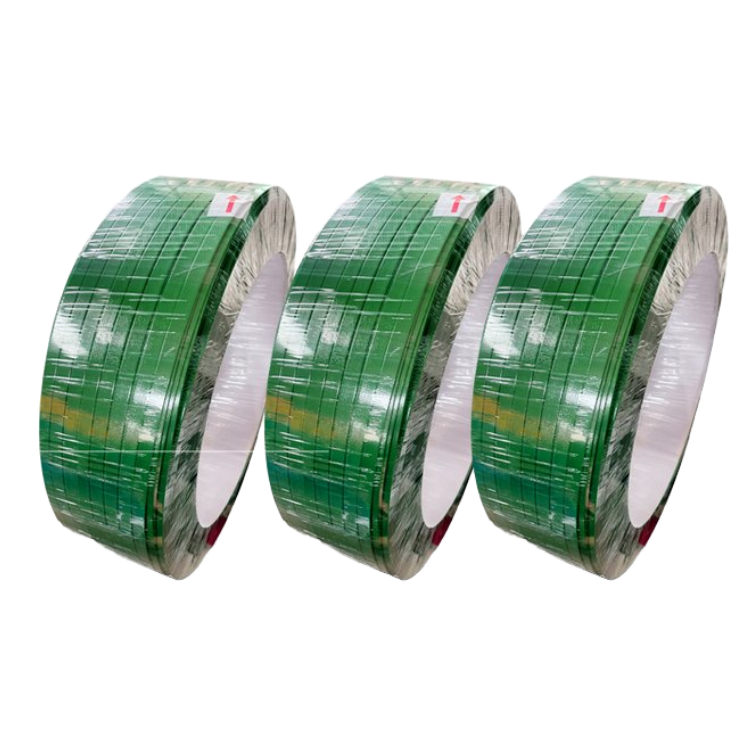
Separate Pallet Unitization from Transport Restraint and Hoisting
Strapping packages together can create a unit load, but it does not automatically secure that unit to a vehicle. Under 49 CFR 393 Subpart I, commercial-vehicle cargo securement is evaluated as a complete system with its own performance, tiedown, condition, blocking, bracing and edge-protection requirements.
Define the pallet-load system, handling route and internal acceptance criteria.
Follow the carrier, route, cargo and jurisdictional restraint requirements separately.
Do not use ordinary pallet-packaging strapping as a lifting recommendation; escalate to an operation-specific specialist.
The OSHA provision sometimes cited for hoisting by strapping is 29 CFR 1918.81, a longshoring cargo-handling rule with explicit suitability and load-support conditions. It is a narrow limit, not a general endorsement for warehouse pallets.
Controlling requirements come first
Carrier instructions, regulated-material rules, lifting procedures and local law can override generic material or strap-count guidance. Supply those requirements before a configuration is proposed.
Configure Around the Product, Not the Industry Label
UD Packaging supports industrial packaging discussions across metal manufacturing, solar photovoltaics, building materials, wood, paper, chemical fiber, cotton textiles, agriculture, food, electronics and tobacco. These sectors describe application context; they do not establish one universal PET strap specification.
Dense and rigid loads
Map concentrated weight, hard contact points, pallet support and edge risk before comparing PET and steel strap.
Compressible or settling loads
Evaluate product compression, recovery, retained tension and complementary stretch film or corner protection.
Long or irregular bundles
Define band position, shear planes, handling direction, joint access and the equipment path around the bundle.
Use the product and route as the boundary
ASTM D4675 structures the strapping selection variables, while ASTM D4169 addresses complete shipping-unit evaluation through an applicable distribution cycle. The sector name alone does not replace either decision.
Verify the Proposed Configuration in Three Distinct Levels
A responsible approval path moves from the band to the connection and then to the assembled unit load. Each level answers a different question, so passing one cannot be reported as passing all three.
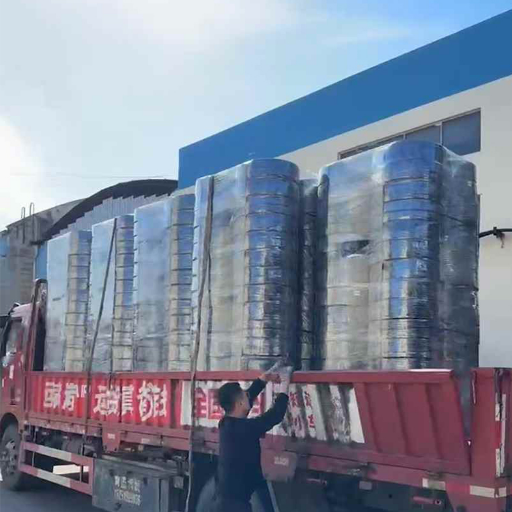
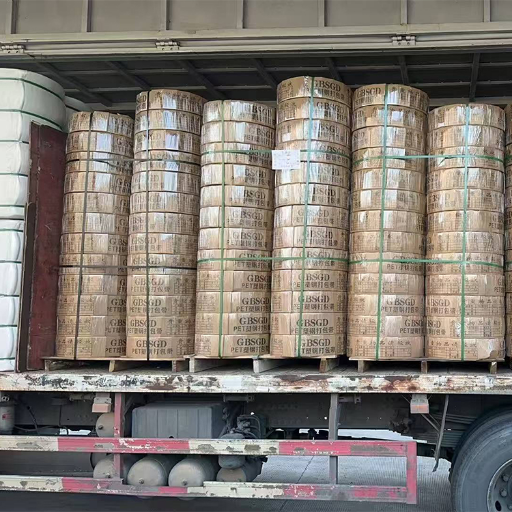
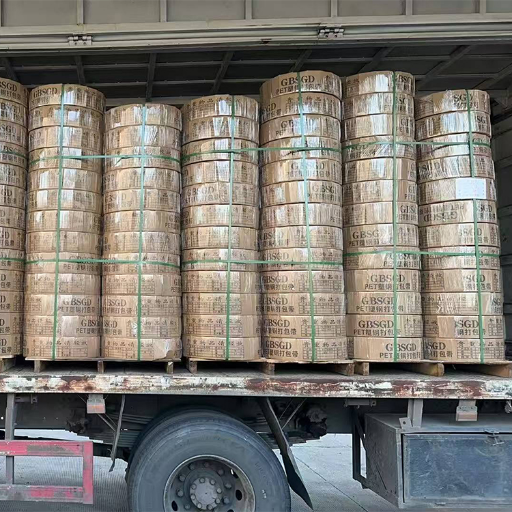
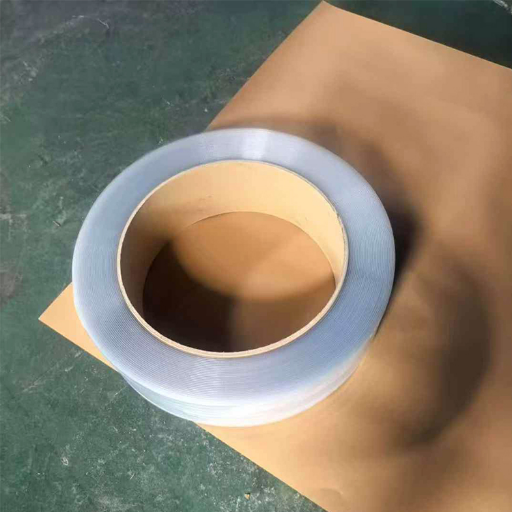
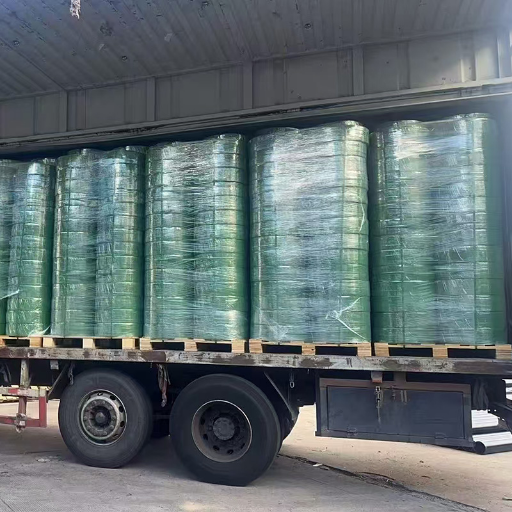
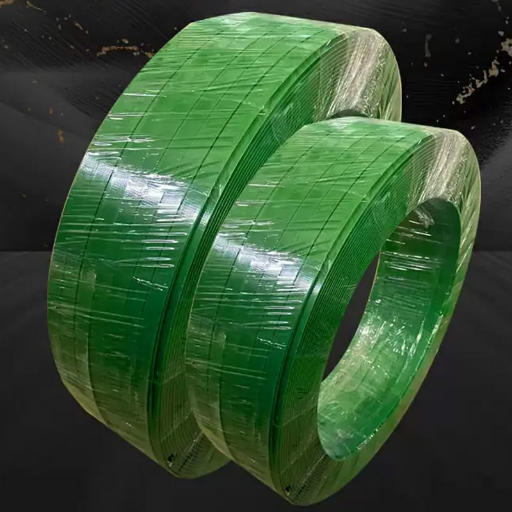
Release a pallet configuration against named inputs, joint evidence and complete-unit acceptance criteria—not against a material label alone.
Material evidence
Confirm identity, dimensions, surface, conditioning, break strength, elongation and the named test basis for the proposed strap.
Joint evidence
Test the proposed seal, buckle or weld with the real strap and compatible equipment; record the configuration and failure mode.
Unit-load evidence
Evaluate the complete pallet under hazards relevant to handling and distribution, then inspect movement, damage and retained restraint.
SYSTEM / RESOURCES
Pallet Strapping Configuration Tools
FAQ: Plastic Strapping for Pallets
Is PET always the best plastic strapping for pallets?
No. PET can be a strong candidate for many industrial unit loads, but selection still depends on load behavior, edges, environment, joint, equipment and required validation.
Can I compare straps by break strength alone?
No. Compare the same dimensions, conditioning and test method, then review joint evidence and complete-unit behavior separately.
Does pallet banding make a shipment compliant with vehicle cargo rules?
No automatic equivalence exists. Vehicle cargo securement under 49 CFR 393 is a separate system assessment controlled by the cargo, vehicle, carrier and applicable requirements.
Can pallet-packaging strap be used to lift a load?
This page does not recommend ordinary pallet-packaging strap for lifting or hoisting. OSHA 1918.81 is limited to longshoring and imposes specific suitability and load-support conditions; obtain operation-specific review.
What should I send before discussing a configuration?
Send the unit-load dimensions and weight, product sensitivity, pallet details, strap path, current equipment, handling sequence, environment and acceptance criteria. Add any carrier or regulated-material requirement that controls the shipment.