Get in touch with UD Packaging Company

/* 核心思路转换:用原生 radio input 存储状态,彻底抛弃 JS */
Request an Application Review
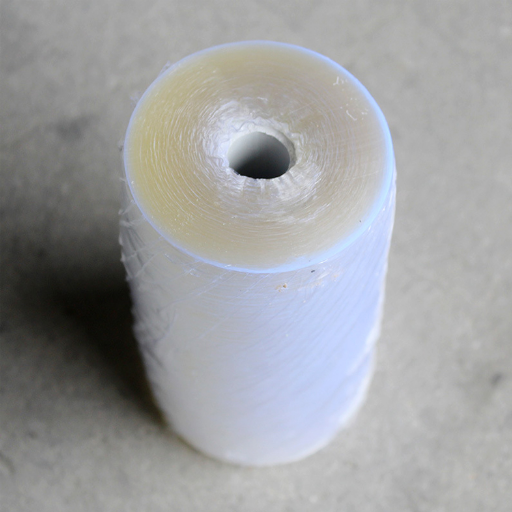
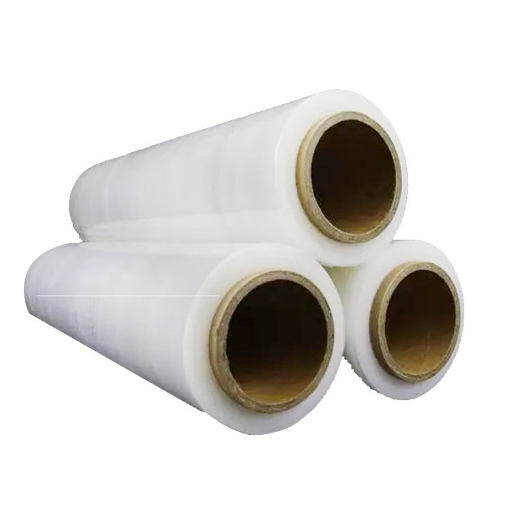
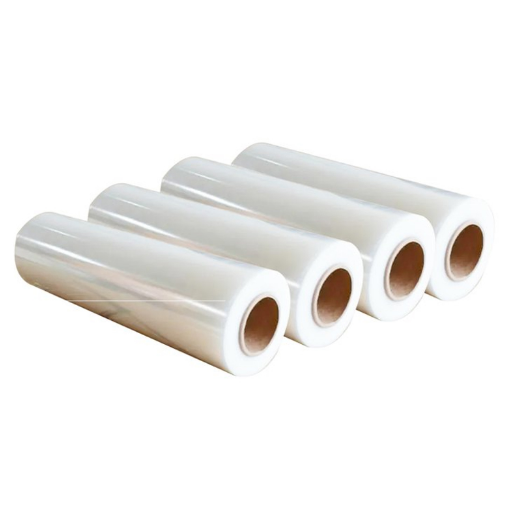
Machine Stretch Film for Automated Pallet Wrapping
Machine stretch film works inside a wrapping system, so a useful quotation starts with the wrapper, roll interface, pallet load and trial criteria. UD Packaging supplies industrial stretch film and helps buyers organize those inputs before a candidate is reviewed.
This page does not publish unverified gauge, stretch percentage, performance, certification, price, minimum order or lead-time claims; the written quotation carries the reviewed product and commercial basis.
Wrapper
Identify the equipment type, film carriage and current program.
Roll
Record the current label, core and dimensions rather than relying on a generic film name.
Load
Describe pallet geometry, surfaces, edges and handling route.
Trial
Define a repeatable method and buyer-owned acceptance checkpoints.
The mistake is treating gauge, roll price or a nominal pre-stretch figure as the cost of an accepted pallet. The common assumption is that more film must pass the trial; it does not always do so, and the trade-off cannot be read until the wrapper and load basis are controlled.
Machine stretch wrap film, machine grade stretch film and stretch film for pallet wrapping can point to the same buying route. A pallet wrap film or automatic pallet wrapper film label is not a substitute for the wrapper and load record.
Machine Film Is One Part of the Pallet-Wrapping System
A mismatch risk appears when the film, wrapper and load are reviewed separately because one program change can alter the applied result. The stretch wrapping process ties the film carriage, program and pallet together. ASTM D8314 provides the method boundary, and UD Packaging uses the buyer-defined trial record to keep a candidate specific to its application.
Turntable, rotary arm, ring or another wrapper configuration.
Roll interface, threading route, rollers and current settings.
Weight distribution, corners, product movement and pallet footprint.
Wrap pattern, overlap, rotations and application sequence.
Handling, storage, transport and environmental exposure.
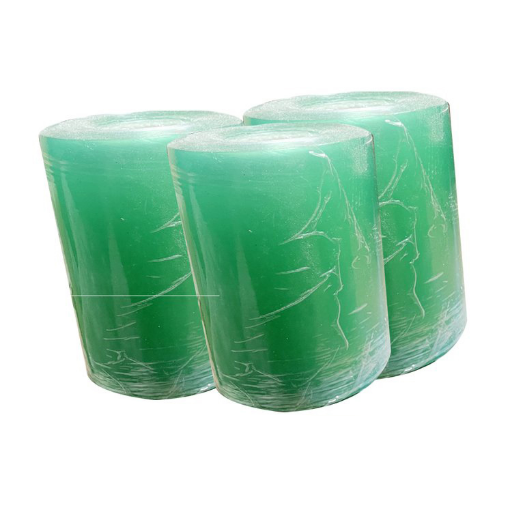
Wrapper Compatibility and Roll Interface
A film break does not identify one cause by itself. Film condition, tension, sharp edges, threading, roller condition, maintenance and a changing load profile remain separate checks in the application. ASTM D8314 reinforces the need to assess applied film and wrapping equipment against buyer-defined criteria; it does not diagnose a break by itself.
Machine identity
Send the wrapper type, make or model where known, film-carriage details and a clear equipment-label photo.
Current roll identity
Send the label, core, roll dimensions, any stated construction and the current supplier reference.
Observed behavior
Name where the break, neckdown, slipping, noise, tail or containment issue appears in the cycle.
Pre-stretch is not a stand-alone acceptance rule
Higher pre-stretch can increase neckdown and change effective web coverage. A counter-intuitive yield gain may therefore increase the coverage demand, so a nominal figure is not a substitute for a specific wrapper and pallet trial.
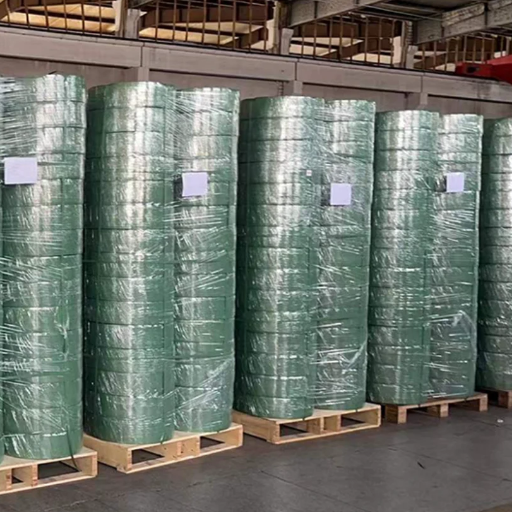
Match Film Inputs to the Pallet Load
Load containment depends on more than the film label. A pallet can lean or crush after adding film when pallet pattern, layer interaction, edges or distribution conditions drive the trial result.
- pallet footprint and total loaded height;
- cartons, bags, drums, bundles or mixed units;
- sharp corners, protrusions, voids or overhang;
- slippery layers, crush sensitivity or settling;
- top-sheet, edge-board, layer-pad or band use.
- in-plant movement and forklift handling;
- warehouse stacking or staging;
- road, rail, sea or multimodal transport;
- outdoor, cold or extreme-temperature exposure;
- known lean, shift, crush or damage point.
Machine Film Compatibility Intake
This matrix records buyer inputs; it is not a UD product specification table. Unknown fields remain open until the quotation or product-linked evidence supplies them. If the buyer uses ASTM D8314, record the method and success criteria in the trial-checkpoint field.
| Input field | What to send | Decision supported |
|---|---|---|
| 1. Wrapper type | Equipment configuration plus make and model where available | Routes the application screen. |
| 2. Film carriage | Roll interface, roller arrangement, threading path and photos | Frames the compatibility review. |
| 3. Current roll | Label, width, length, core, net film mass and any buyer-recorded term such as 80 gauge | Creates a comparable baseline without turning the current label into a UD specification. |
| 4. Current program | Pre-stretch setting, tension or force setting, overlap and rotations as recorded by the buyer | Defines the current application basis. |
| 5. Pallet geometry | Footprint, loaded height, load pattern and overhang | Connects film coverage to the load. |
| 6. Product surface | Known cling behavior, corners, protrusions, abrasive contact, slippery layers or the buyer's puncture resistance check | Identifies puncture and containment concerns. |
| 7. Throughput context | Normal operating pattern, changeovers and observed stoppage point | Separates film behavior from line context. |
| 8. Distribution route | Handling, storage, transport and environment | Defines the intended-use boundary. |
| 9. Trial checkpoint | Buyer method, pass condition, owner and required record | Creates a repeatable release decision. |
| 10. Commercial scope | Quantity, packing request, destination and required documents | Creates the quotation basis without inventing terms. |
Record a Pallet Trial Before Approval
A sample roll is a candidate, not a blanket approval. The Candidate Film Release Dossier ties the film, wrapper program, pallet, route and result to one controlled comparison. ASTM D8314 can provide a method reference when its buyer-defined success criteria fit the intended trial.
-
Freeze the baseline. Record the current roll, wrapper, program, pallet and known failure or cost concern.
-
Define the candidate. Use the exact quoted film identity and retain its label or reference.
-
Control the comparison. Keep the load, wrapper condition and trial route consistent, or document every change.
-
Record operations. Capture breaks, rewraps, interruptions, coverage and any program adjustment.
-
Apply buyer criteria. Inspect the accepted pallet at the checkpoints relevant to handling and transport.
-
Preserve the decision. Tie the accepted candidate and conditions to the next quotation or purchase record.
Compare Film per Accepted Pallet
Use the Film-per-Pallet Comparison Worksheet because a lower roll price can hide different roll length, net film mass, breaks or rejected pallets. Roll price and gauge alone cannot show the cost of an accepted pallet. The cheapest roll is not necessarily the best result after breaks, rewraps and rejected loads are counted.
| Comparison field | Baseline | Candidate | Why it matters |
|---|---|---|---|
| Film consumed | Buyer-entered mass or measured roll change | Same measurement method | Normalizes material use. |
| Pallets attempted | Trial count | Trial count | Defines the observation set. |
| Pallets accepted | Buyer pass count | Buyer pass count | Prevents failed loads from looking efficient. |
| Breaks and rewraps | Recorded events | Recorded events | Shows operational loss. |
| Applied film per accepted pallet | Film consumed ÷ accepted pallets | Same calculation | Creates the normalized result. |
Quotation Basis and Evidence Status
Price and supply terms depend on the reviewed product, quantity, packing, destination and document request. Product values become usable only when they are tied to the quoted item or supplied product evidence.
Company supply context
We supply industrial stretch film and support industrial packaging enquiries.
Product and commercial values
Roll values, price, quantity basis, packing and delivery remain subject to the written quotation.
Reports and imagery
No UD-owned machine-film test report, trial case or real image library was supplied for this page.
Quote driver
Buyer input
Controlled record
Candidate film
Wrapper, current roll and application details
Quoted product identity and values
Demand
Trial, project or recurring quantity
Quoted quantity and packing basis
Destination
Delivery point and route
Quoted delivery and shipping basis
Documents
Buyer-required evidence list
Named documents attached to the offer
From Enquiry to a Written Machine Film Candidate
The review should close information gaps before the buyer treats a film name as an approved product. The final order basis stays in the quotation and buyer trial record.
TRIAL PIPELINE
Send the known details.
Include the wrapper, current roll, pallet, route, quantity and evidence request.
Identify open fields.
Separate facts, buyer targets and values that still require quotation evidence.
Review a candidate.
Keep the candidate identity and proposed supply scope in writing.
Run the buyer trial.
Use the same method and acceptance checkpoints for every comparison.
Confirm the order basis.
Preserve the accepted candidate, quoted terms and required documents.
ROLE RESPONSIBILITIES
Packaging engineering
Owns wrapper compatibility and trial design.
Procurement
Normalizes quotation, quantity, destination and evidence scope.
Warehouse and operations
Records breaks, rewraps, stoppages and handling conditions.
Quality
Defines checkpoints and accepts or rejects the trial record.
Application Boundaries That Need Separate Review
Some pallet risks cannot be solved by changing film alone. Escalate the application when the load, environment or regulatory context introduces a separate acceptance question. ASTM D4649 keeps severe-temperature service outside its indoor-use specification scope, so that exposure needs its own evidence and trial condition.
Unstable or crush-sensitive loads
Review pallet pattern, layer interaction, edge protection and supporting materials before adding more film. See when film alone is not the unitization answer if the load needs a separate system.
Sharp or irregular profiles
Record protrusions, contact points and the exact break location before changing one film field.
Outdoor or severe temperatures
Define the exposure and request evidence tied to the candidate and intended duration.
Food or sensitive contact
State the contact scenario and market-specific document requirement in the enquiry.
Dangerous or regulated goods
Keep transport, packaging and buyer compliance requirements separate from generic film performance.
Persistent line stoppage
Check equipment condition, threading, rollers and maintenance before assigning the cause to film.
Machine Film Evaluation Tools
FAQ: Machine Stretch Film
How do I check whether a film will run on my wrapper?
Start with the wrapper type, make or model, film carriage, roll interface, current roll label and program. Add a photo of the threading path and describe exactly where a break, slip, neckdown or tail issue appears, then confirm the candidate on a representative pallet under buyer-defined conditions.
Does a higher gauge or more pre-stretch always improve pallet stability?
No. The trial result controls the decision.
How should we compare machine stretch film cost?
Compare applied film per accepted pallet, including breaks and rewraps. Roll price alone is not normalized.
What information helps diagnose repeated film breaks?
Record the exact break location, load profile, exposed corners, threading path, roller condition, program and recent maintenance. Note whether the event appears at startup, during acceleration, at one pallet height or after a load change, because the same symptom can have several causes.
Are the values in the intake table UD product specifications?
No. They are buyer-input fields, not product values.
Can a standard method prove our pallet will pass transport?
A standard can define a measurement or trial method, but the buyer still needs representative loads, route conditions and written acceptance criteria. A method reference does not establish a UD certification, product result or universal transport guarantee.
Is machine stretch film the same as shrink wrap?
No. Stretch film is applied around a load under tension, while shrink film follows a different material and application process.