Get in touch with UD Packaging Company

Strapping Seals for Industrial Packaging
Source strapping seals by aligning the strap, joining route, tool, load, and distribution conditions—not by width alone. UD Packaging organizes those inputs into a comparable enquiry and a buyer-controlled sample plan.
Two clear procurement commitments
How We Work Across the Supply Scope
One supply team can coordinate the closure, related packaging materials, and strapping equipment around the documented application.
-
Closures
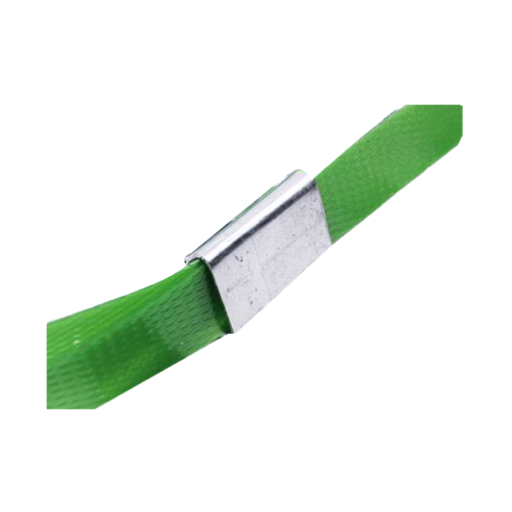
We supply strapping seals and buckles.
-
Strap
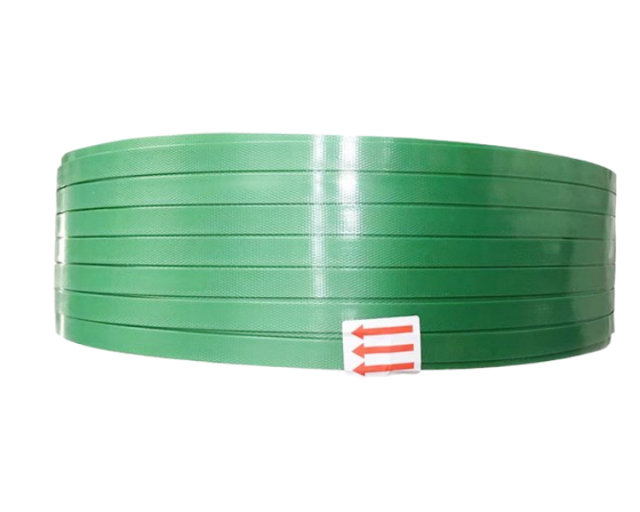
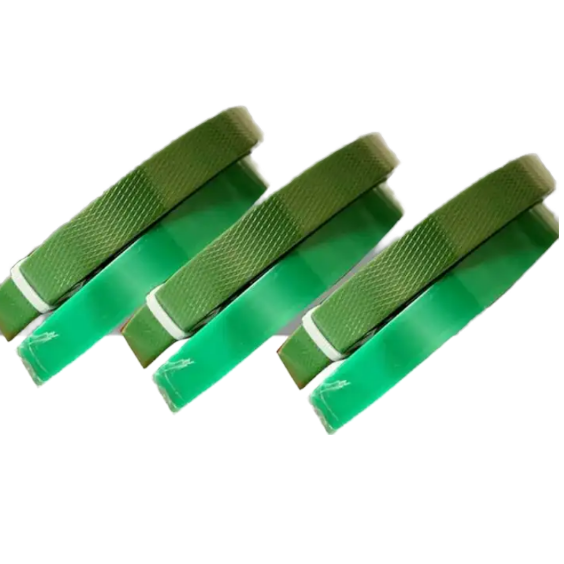
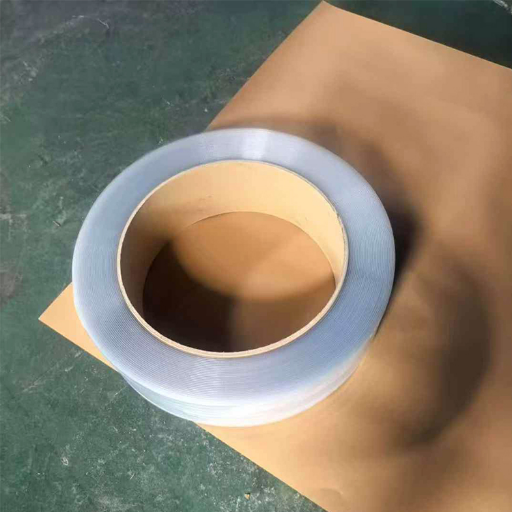
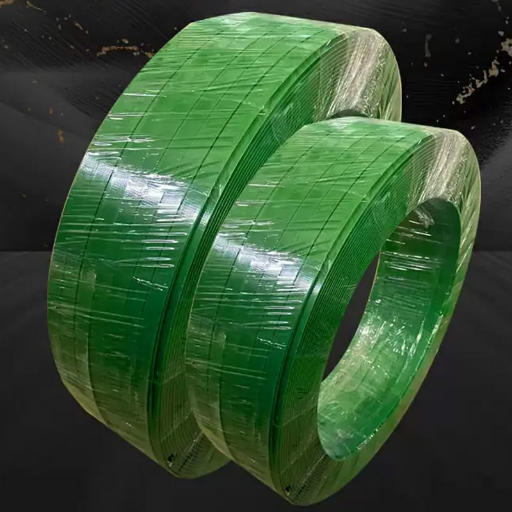
We also supply PET strapping.
-
Load protection
Industrial stretch film is available from the same supply team.
-
Equipment range
We supply manual, semi-automatic and fully automatic strapping machines.
-
Procurement scope
We provide one-stop industrial packaging procurement.
-
Application support
A professional sales and technical team supports each enquiry.
Strapping System Inputs Before RFQ
A strapping seal is one part of a formed joint. Its name or perceived fit does not define how it will perform with a specific strap, sealer, load, or transport route. ASTM D4675 places user evaluation and real handling conditions inside the selection process.
- Material family and supplier marking
- Nominal width and actual thickness
- Grade, surface, and condition if known
- Current joining method
- Seal or buckle style
- Tool model, jaw photo, or profile
- Load geometry and contact surface
- Handling, storage, and environment
- Carrier, destination, and route design constraints
Seal and sealer are different products
Here, the seal is the consumable closure; the sealer is the tool that forms or closes it. A search for a polyester strapping sealer therefore concerns the tool, while this page keeps the closure enquiry in focus.
The honest version of width-only matching
The error is assuming that a shared nominal width means compatibility. The trade-off is simple: a faster replacement guess increases mismatch risk, while a system screen needs more inputs but yields a testable route.
“When a strap, closure, or tool changes, we treat the proposed combination as a new screening and validation task.”— UD Packaging Engineering Team
Screening Routes by Strap and Joining Method
Begin with the strap family and existing joint. Steel strapping, flat polyester or polypropylene strap, and cord or woven banding follow distinct closure and tool routes.
Steel route
Steel flat strapping
Send the steel grade, width, thickness, seal style, joint type, tool, and any applicable transport requirement.
- Do not substitute a plastic-strap closure.
- Review the exact notch or crimp method.
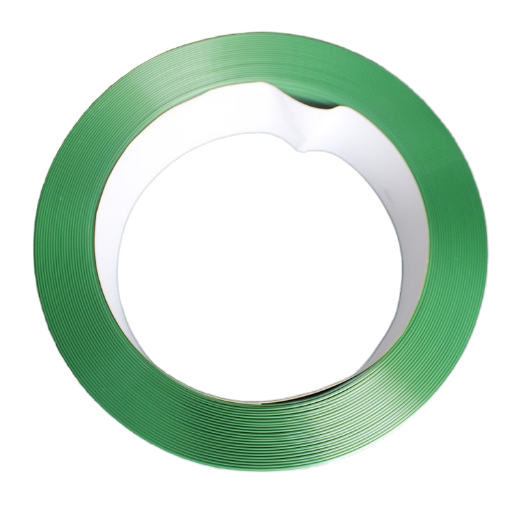
Plastic route
PET or PP flat strapping
Separate a heat-welded joint, metal seal, and buckle route before selecting a candidate product.
- PET and polypropylene are distinct inputs.
- Tool profile and strap thickness stay in the test plan.
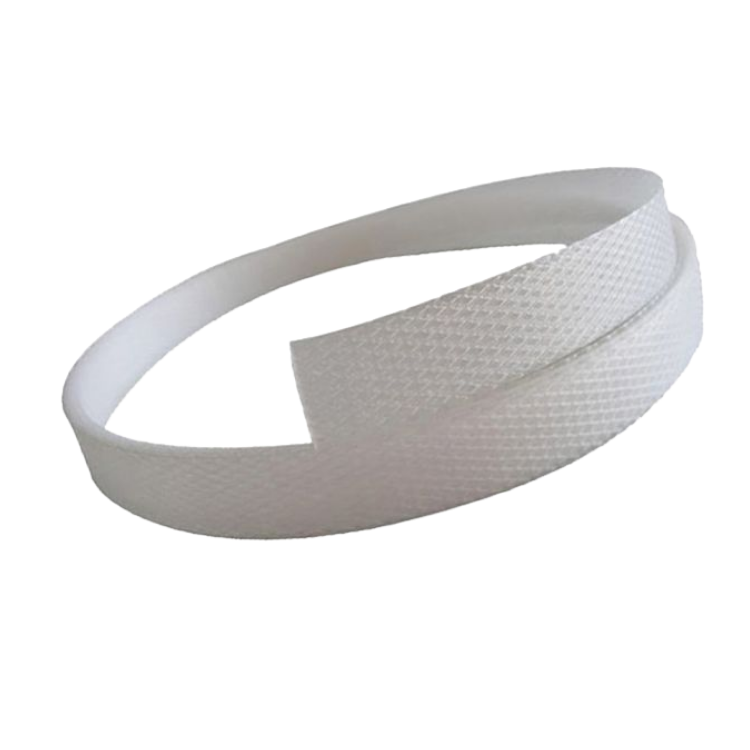
Cord route
Cord or woven strapping
Screen the buckle and tensioning method as a separate system rather than applying flat crimp-seal logic.
- Send the cord construction and buckle identity.
- Describe retensioning and handling needs.
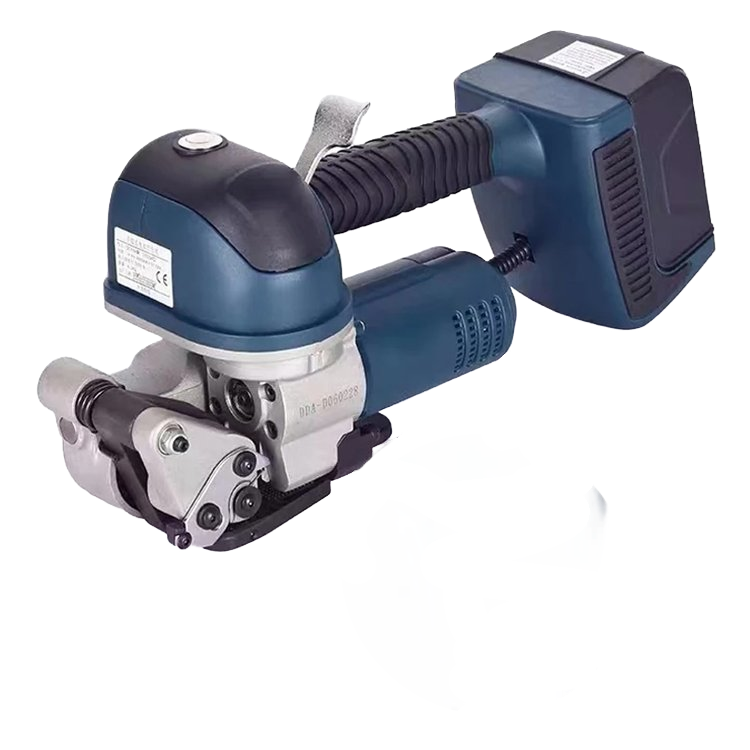
Open route
Unknown or mixed systems
Send current labels, a joint photo, and a tool or jaw photo before buying a replacement by visual similarity.
- Record what is known.
- Use samples only after the route is narrowed.
APPLICATIONS / CASE
Narrow U.S. vehicle-cargo example
For steel strapping used as a tiedown on a commercial motor vehicle, 49 CFR 393.104(e) gives a seal-crimp rule for steel strap 25.4 mm (1 inch) or wider. A procurement buyer should treat that as a scoped transport application example, not a rule for plastic packaging strap, warehouse palletizing, smaller steel strap, or hoisting.
Seal and Buckle Terms to Clarify
Product labels often specify form or surface, not cross-system interchangeability. Suppliers may serrate an inner surface to form a gripping pattern, but the word “serrated” alone does not establish a measured joint outcome. ASTM D3950 addresses nonmetallic strapping and joining methods, while ASTM D3953 addresses flat steel strapping and seals.
Names are screening vocabulary
A metal strapping seal, poly strapping seal, banding clip, and buckle may point to materially different systems. A written order specification should identify the accepted combination, not rely on the category name.
| Term in an enquiry | Route to clarify | Information still needed | Safe procurement interpretation |
|---|---|---|---|
| Open or snap-on seal | Usually a formed metal closure | Strap material, dimensions, tool, and jaw | “Open” describes form; it is not an approval. |
| Closed or push-type seal | Pre-threaded or application-specific route | Threading method, dimensions, tool, and load | Confirm the exact system before sampling. |
| Serrated seal | Candidate route for selected plastic strap systems | Pattern, dimensions, strap, sealer, and test | Serrated seals require formed-joint evidence. |
| Smooth metal seal | Material- and tool-specific route | Joint method, jaw profile, and strap range | Do not infer lower or higher grip from appearance. |
| Wire buckle | Cord, woven, or selected flat-strap route | Strap construction, tensioner, and retensioning need | A buckle is not a crimped seal. |
| Coated or galvanized | Environment and corrosion screen | Storage, moisture, route, and confirmed finish | Specify the exposure before requesting a finish. |
Pre-RFQ Strapping System Screening Checklist
This matrix gathers material application data for a comparable quote. It is not a UD Packaging dimension table, model recommendation, or compatibility certificate.
| No. | RFQ field | What to send | Why it changes the screen |
|---|---|---|---|
| 01 | Strap material | PET or polyester, PP or poly, steel, cord, or unknown | Closure families and tools differ. |
| 02 | Strap width | Nominal value in millimetres or inches | Seal and jaw width must be reviewed together. |
| 03 | Strap thickness | Actual value or supplier nominal value | Forming engagement can change. |
| 04 | Joining mechanism | Heat weld, metal seal, buckle, or unknown | It separates different joint routes. |
| 05 | Candidate style | Open, closed, serrated, smooth, buckle, or unknown | It defines vocabulary to verify. |
| 06 | Tool or jaw profile | Model, jaw photo, profile, and condition if available | Tool geometry determines how the closure is formed. |
| 07 | Load geometry and surface | Mass, dimensions, edges, contact area, and friction context | Routing and local stress change with the load. |
| 08 | Handling events | Manual moves, shocks, vibration, and transfers | Your trial should reproduce relevant hazards. |
| 09 | Storage and environment | Indoor or outdoor use, moisture, temperature, and corrosion exposure | Material and finish screening can change. |
| 10 | Carrier or shipper rules | Carrier, mode, route, and any written joint requirement | External rules may control the accepted system. |
| 11 | Quantity and pack need | Trial need, recurring order, pack preference, and delivery split | Commercial quotes become comparable. |
| 12 | User test and acceptance plan | Actual combination, method, owner, and written pass criteria | Buyer-defined criteria control validation of the candidate. |
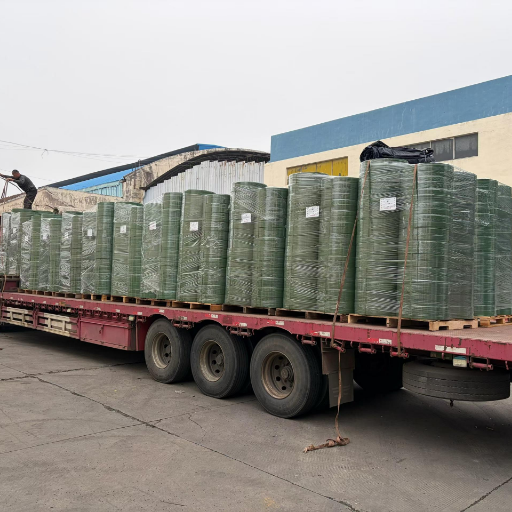
Pricing and Quote Turnaround
Seal prices vary with the confirmed strap material, width, thickness, construction, finish, quantity, packaging, and sample scope. A low unit price is not comparable when the joint route or pack basis differs.
- Strap and closure identity
- Tool or jaw information
- Application and route conditions
- Trial or recurring quantity
- Pack and delivery split
- Sample and courier scope
0 hours
Our response
We return a quotation within 24 hours after receiving the enquiry details.
Production lead time, payment terms, and shipping terms remain quotation-specific.
The 24-hour RFQ response
A buyer comparison can fail because an RFQ hides different strap, tool, pack, or sample bases. UD Packaging returns a quotation within 24 hours after receiving the enquiry details, then identifies unresolved risk instead of treating unlike offers as equivalent.
Joint Route and Sample Validation
A sample only demonstrates that a product is available for evaluation. Joint performance remains a property of the formed strap, closure, tool, load, route, and test combination. ASTM D4675 supports user evaluation rather than approval by product name alone.
Identify the system
Record the strap family, width, thickness, joint method, and current product markings.
Separate routes
Keep steel seals, PET or PP joint methods, and cord or woven buckles in distinct screens.
Review the tool
Provide the model, jaw profile or photo, maintenance condition, and forming instructions if available.
Define real exposure
Capture load geometry, edges, surface contact, handling, storage, and distribution events.
Write acceptance criteria
Name the method, test owner, record, and pass condition before using the sample.
Lock the approved combination
After the buyer accepts the result, record the exact combination and test basis in the order specification.
Ordering Process
This procedure can begin before every field is known. Submit the available strap, tool, load, and quantity details, then close the remaining gaps before the combination is approved for an order.
Submit known inputs
Strap material, width, current joint, quantity, load, and tool photos are enough to begin.
Screen the route
We configure packaging solutions around the buyer’s application.
Receive a written quote
The quotation states the candidate route, commercial basis, and sample charges.
Confirm the trial
The buyer defines the actual combination, test method, pass criteria, and responsible owner.
Lock the order basis
Record the buyer-approved product and test basis rather than a generic category name.
Coordinate delivery
Confirm the final pack, quantity, documents, shipping basis, and timing in writing.
How We Work Across Packaging Supply
Our production base is in Jiangyin, Wuxi, Jiangsu, China. This location statement describes the company base and does not assign an unverified seal model to a particular production line.
One written coordination path
UD Packaging coordinates the closure enquiry with adjacent strap and equipment categories.
UD Packaging reviews the application inputs before a candidate enters sample testing.
UD Packaging keeps the buyer-approved combination and order basis separate from generic product names.
PET strapping
Coordinate the strap enquiry with the closure and equipment review on the PET strapping product page.
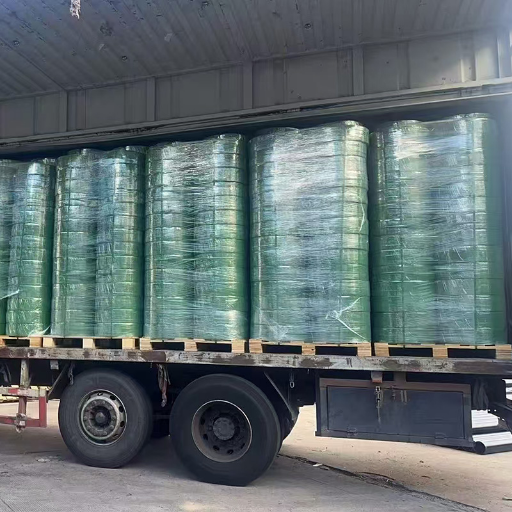
Stretch film
Add pallet containment requirements to the wider packaging discussion.
Strapping equipment
Use the polyester strapping tool selection page to separate tool-led intent from consumable seal supply.
Technical coordination
Keep the written application, selected route, and customer test basis together.
RESOURCES / SUPPORT
FAQ: Strapping Seals
These answers clarify the procurement route while keeping the final product and application decision inside the documented validation process.
What are strapping seals?
They are closures used in selected strapping systems to form a joint around packaged or unitized goods. The exact seal must be screened with the strap and tool. Buyers still need to identify the load, handling route, environment, and written acceptance method before approving the combination.
How do seals differ from buckles?
A formed seal is typically crimped or notched by a matching tool, while a buckle uses a different threading and tensioning route. They are not interchangeable categories.
What is the difference between poly and polyester strapping?
“Poly” can be ambiguous, while polyester identifies PET strapping. State PET or polypropylene explicitly in the enquiry.
How is a seal used with plastic strapping?
The method depends on the strap, seal construction, and matching tool. Follow the tool instructions and validate the formed joint on the real load.
Which strap details must match the seal?
Start with material, width, thickness, surface, closure style, and the tool or jaw profile. The load and route still affect final acceptance.
Does the sealer jaw profile matter?
Yes. Jaw or notch geometry and tool condition affect how the metal closure is formed.
Can I request a sample before ordering?
Product samples are available; sample and courier charges are stated in the quotation. A sample supports user testing and is not a compatibility certificate.
What should I send for a comparable quote?
Send the twelve checklist fields where available, especially strap identity, tool information, load, quantity, route, and acceptance plan.
How quickly will UD Packaging reply?
We return a quotation within 24 hours after receiving the enquiry details. Missing system inputs will be identified for follow-up.
Can I source PET strap, seals, and machines together?
Yes, those product categories can be coordinated through the same supply team. The exact combination still needs written confirmation.
Does the checklist confirm compatibility?
No. It organizes screening inputs and makes the next engineering review more specific.
Can packaging strapping be used for hoisting?
This page provides no lifting approval. Use a separately engineered and documented lifting method for hoisting.